

What is the Antioxidant Ingredient Procyanidin B2 Powder Description?
Antioxidant Ingredient – Procyanidin B2 Powder is a naturally sourced antioxidant active ingredient widely found in grape seeds, apple peel, and certain berry plants. Procyanidin B2 is a significant dimeric proanthocyanidin (OPC) renowned for its exceptional antioxidant properties. It aids in neutralising free radicals and safeguarding cells from oxidative damage, making it extensively utilised in dietary supplements and functional nutrition products targeting antioxidant support, anti-ageing, and cardiovascular health.
APPCHEM's Procyanidin B2 Powder complies with relevant dietary supplement ingredient quality standards, offering B2B clients a high-purity antioxidant raw material solution characterised by stable supply and excellent batch consistency.
PS: This page focuses on the product application information.
For the product Technical Data Sheet, please click Apple Extract Procyanidin B2 HPLC Test 29106-49-8.
For Integrated Supply Chain & Solutions, please click Apple Extract Procyanidin B2 Powder In Stock.
How Is Proanthocyanidin B2 Positioned for Antioxidant Efficacy?
Within the landscape of dietary supplement ingredients, Proanthocyanidin B2 is positioned as a premium natural antioxidant and cardiovascular health support component. As one of the most structurally defined and extensively researched individual components within the proanthocyanidin family, Proanthocyanidin B2 offers distinct advantages over mixed proanthocyanidin extracts. These include clear composition, controllable quality, and precise dosing. Consequently, it meets the stringent requirements for traceability and efficacy certainty demanded by premium dietary supplement products.
- From a market demand perspective, the global antioxidant dietary supplement market is experiencing robust growth. Consumer demand for natural, safe, and clearly effective plant-derived functional ingredients continues to rise. Proanthocyanidin B2, with its natural botanical origin, high safety profile, and robust scientific research foundation, is progressively becoming a key ingredient choice within this niche market. Notably, research indicates proanthocyanidin B2 may possess superior antioxidant capacity compared to vitamins E and C. This comparative advantage positions it for differentiation within high-end antioxidant product formulations.
- From a product differentiation perspective, proanthocyanidin B2, as a monomeric compound, clearly distinguishes itself from the grape seed extracts (oligomeric proanthocyanidins, OPC mixtures) commonly found in the market. While the latter offers relative affordability and broad applicability, its complex composition and significant quality variability exist. Proanthocyanidin B2, however, serves a premium clientele with stringent raw material quality requirements and research-driven product development needs through its defined composition and high consistency.
- From the perspective of functional food trends, Proanthocyanidin B2 aligns with the current industry currents of "Clean Label" and "Ingredient Transparency". Consumers are increasingly concerned about what specific ingredients are added to products, their quantities, and their mechanisms of action. With its well-defined structure and robust research data, Proanthocyanidin B2 effectively meets this market demand, providing brands with compelling product narratives and scientific endorsement.
What Is the Mechanism of Action for the Proanthocyanidin B2?
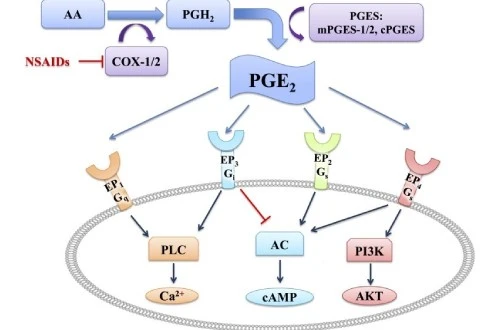
Antioxidant Mechanism
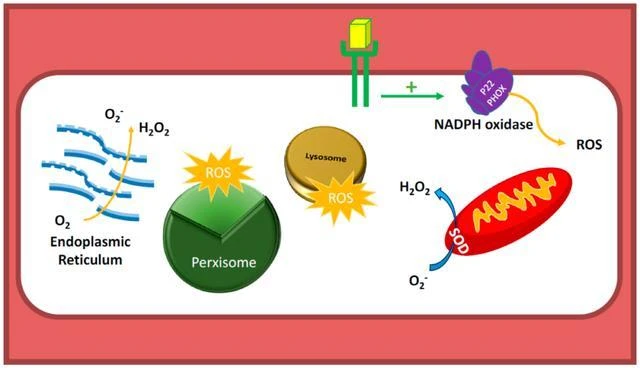
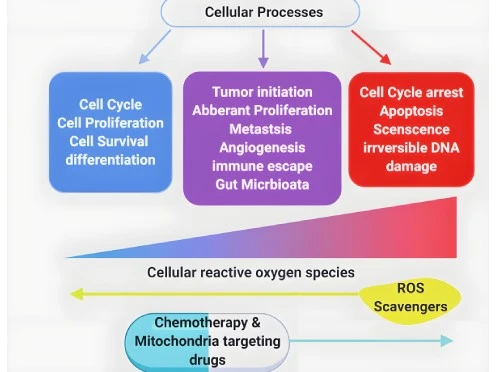
As a quintessential representative of natural polyphenolic compounds, the core efficacy of procyanidin B2 is founded upon its potent antioxidant capacity. Extensive scientific research demonstrates that procyanidin B2 acts as a powerful free radical scavenger, effectively neutralising diverse free radicals and reactive oxygen species (ROS) to shield cells from oxidative damage.
At the molecular mechanism level, the antioxidant action of proanthocyanidin B2 involves multiple signalling pathways and molecular targets.
- Firstly, studies confirm that proanthocyanidin B2 significantly inhibits the activation of NADPH oxidase and downregulates p47phox expression, thereby reducing ROS production at its source.
- Secondly, proanthocyanidin B2 exerts its antioxidant effects by regulating the Akt/Nrf2/HO-1 signalling pathway. Nrf2, a central transcription factor in cellular antioxidant defence, upon activation upregulates multiple antioxidant enzymes and phase II detoxification enzymes-including heme oxygenase-1 (HO-1), quinone reductase, and glutathione S-transferase-thereby enhancing overall cellular antioxidant capacity.
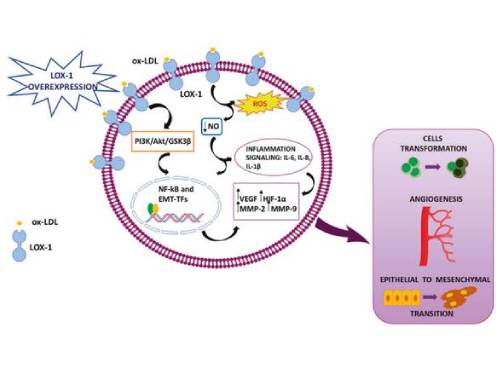
- Furthermore, proanthocyanidin B2 has been demonstrated to inhibit NLRP3 inflammasome activation. The NLRP3 inflammasome serves as a pivotal molecular complex linking oxidative stress to inflammatory responses; its excessive activation leads to the release of numerous pro-inflammatory factors, exacerbating tissue damage. The inhibitory effect of proanthocyanidin B2 on the NLRP3 inflammasome reveals an anti-inflammatory protective mechanism beyond its antioxidant properties, forming a synergistic "antioxidant-anti-inflammatory" dual protective effect.
Cardiovascular Health Support Mechanisms
Cardiovascular protection represents another significant efficacy domain for proanthocyanidin B2. Multiple studies have elucidated its multidimensional protective effects on the cardiovascular system from various perspectives.
Regarding myocardial cell protection, studies indicate that proanthocyanidin B2 significantly mitigates lipopolysaccharide-induced myocardial cell apoptosis. This mechanism is closely linked to its aforementioned inhibition of NADPH oxidase activation and reduction of reactive oxygen species production, thereby protecting myocardial cells from damage by lowering oxidative stress levels.
Regarding protection against environmentally induced cardiac injury, research indicates that proanthocyanidin B2 mitigates acute cardiac toxicity caused by PM2.5, improving inflammation and oxidative damage in the heart following PM2.5 exposure. Given the prevalence of particulate pollution in modern urban environments, this protective function of proanthocyanidin B2 holds significant practical application value.
Other Bioactivities
Beyond antioxidant and cardiovascular protective effects, research has revealed proanthocyanidin B2's multifaceted bioactivities, including anti-inflammatory, anti-ageing, hypoglycaemic, and hypolipidemic actions. These diverse efficacy discoveries expand the potential applications of proanthocyanidin B2 within comprehensive health support formulations.
It should be specifically noted that current research into the efficacy mechanisms of proanthocyanidin B2 primarily focuses on in vitro experiments and animal models. Clinical trial data specifically targeting the monomeric component of proanthocyanidin B2 in human subjects remains relatively limited. When making efficacy claims for products, statements should be based on existing scientific evidence and formulated with caution to avoid exaggerated claims, thereby ensuring regulatory compliance.
What Are the Market Applications and Product Formulations?
Primary Application Areas
As a dietary supplement ingredient, Proanthocyanidin B2 finds its primary applications in the following domains:
1. Antioxidant Health Sector
Antioxidant properties represent the most fundamental and established application for Proanthocyanidin B2. Proanthocyanidin B2, with its potent free radical scavenging capacity, can be incorporated into various antioxidant formulations, including single-ingredient antioxidants and composite antioxidant blends.
2. Cardiovascular Health Support
Cardiovascular health constitutes a significant segment within the dietary supplement market. Proanthocyanidin B2 offers an excellent raw material choice for cardiovascular health products through its multifaceted mechanisms, including antioxidant activity, vascular endothelial protection, and lipid regulation. Particularly in the functional areas of cardiac protection, blood pressure management, and lipid regulation, Proanthocyanidin B2 is supported by well-defined research on its mechanism of action.
3. Anti-ageing and Skin Health Sector
Oxidative stress is a key driver of skin ageing. The antioxidant properties of proanthocyanidin B2 confer potential applications in anti-ageing and skin health products. Research exploring its anti-ageing effects, combined with its capacity to scavenge free radicals and mitigate oxidative damage, enables the development of functional products targeting skin health.
4. Glucose Metabolism Support
Research indicates proanthocyanidin B2's potential hypoglycaemic effects and its application prospects in preventing diabetic vascular complications. This provides a research direction for developing dietary supplement products that support the health of glucose metabolism.
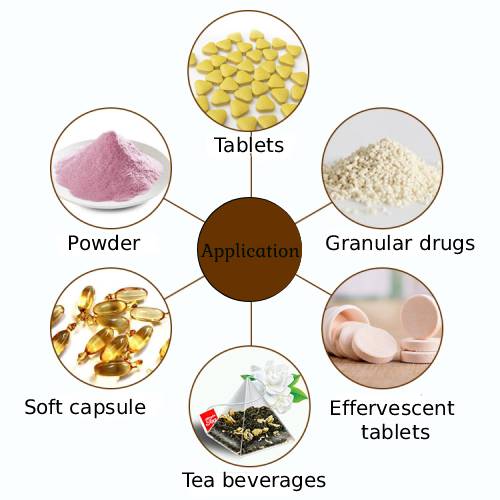
Product Dosage Forms
Proanthocyanidin B2 powder raw material can be processed into multiple dosage forms to meet the preferences and application requirements of different consumer groups:
1. Hard Capsule Formulation
Hard capsules represent one of the most prevalent dosage forms for dietary supplements. Proanthocyanidin B2 powder may be directly filled into capsules or blended with other excipients before encapsulation. Given its solubility characteristics (approximately 60 mg/mL in water), Proanthocyanidin B2 can be formulated into either immediate-release or sustained-release capsules to accommodate distinct product positioning requirements.
2. Tablet Form
Proanthocyanidin B2 may be blended with suitable fillers, binders, lubricants, and other excipients, then processed through granulation and compression into tablets. This formulation offers advantages including precise dosing, convenient portability, and relatively lower costs, making it suitable for mass-market dietary supplement products.
3. Soft Capsule Formulation
Formulating proanthocyanidin B2 as a solution or suspension encapsulated within soft capsules enhances swallowability and visual appeal. Soft capsules are particularly suitable for oil-soluble formulations or those requiring rapid release.
4. Powdered Drink Mixes/Solid Beverages
Proanthocyanidin B2 powder can be blended with other nutritional ingredients to create instant powdered drink mixes or solid beverage products. This format is well-suited for formulation with beauty and anti-ageing ingredients such as collagen peptides and vitamin C to develop functional beverage products.
5. Functional Food Additions
Beyond traditional dietary supplement formats, Proanthocyanidin B2 may also be incorporated into functional foods such as nutrition bars, functional beverages, and health snacks, thereby expanding its application scope.
Considerations for Product Formulation Design
In practical product development, the application of Proanthocyanidin B2 necessitates consideration of the following technical points:
1. Formulation Combination Strategy
Proanthocyanidin B2 may be synergistically combined with other antioxidant ingredients such as Vitamin C, Vitamin E, Grape Seed Extract (OPC), Resveratrol, Coenzyme Q10, etc., to establish a multi-layered antioxidant network and achieve synergistic enhancement effects. Concurrently, formulations may be tailored to specific functional objectives by combining procyanidin B2 with cardiovascular health support ingredients (e.g., fish oil, phytosterols, nattokinase) or skin health components (e.g., collagen, hyaluronic acid).
2. Dosage Considerations
Current clinical dosage research data for proanthocyanidin B2 monomers remain relatively limited. Product formulation must therefore reference relevant safety studies and dosage ranges of comparable products. Thorough literature review and formulation validation during product development are recommended to ensure scientific and safety-compliant dosage determination.
What Market Case References Are Available?
Within the dietary supplement end-product market, proanthocyanidins have established a broad market foundation. As the primary commercial source of proanthocyanidins, grape seed extract has cultivated a stable consumer base and brand recognition in mature dietary supplement markets such as North America and Europe.
It should be noted that relatively few end-use dietary supplement products currently explicitly promote "proanthocyanidin B2" as their core ingredient. This phenomenon relates to factors such as the higher raw material cost of pure proanthocyanidin B2 and its limited market recognition. Mainstream proanthocyanidin products are predominantly marketed under names such as "grape seed extract" or "oligomeric proanthocyanidins (OPC)", typically containing proanthocyanidin mixtures rather than the singular proanthocyanidin B2 monomer.
This market landscape presents brand clients with opportunities for differentiated competition. Positioning proanthocyanidin B2 monomer as the core selling point, emphasising its clear composition, robust bioactivity research, and controllable quality, enables the development of differentiated products targeting premium niche markets. Particularly under product positioning strategies highlighting "scientifically formulated," "transparent ingredients," and "precise dosing," proanthocyanidin B2 monomer raw material possesses unique narrative appeal and technical persuasiveness.
What Are the Product Application Restrictions and Technical Characteristics?
Stability Characteristics
As a natural polyphenolic compound, procyanidin B2 possesses multiple phenolic hydroxyl groups within its molecular structure. This structural feature constitutes the molecular basis for its biological activity while also determining its sensitivity to environmental factors. In practical applications, the following stability considerations warrant particular attention:
1. Light Sensitivity
Procyanidin B2 exhibits sensitivity to light exposure. Prolonged exposure to intense light, particularly ultraviolet radiation, may induce oxidative degradation of its molecular structure. Consequently, products must employ light-protective packaging. Brown glass bottles or opaque HDPE/PE containers are recommended to minimise the impact of light exposure on product quality.
2. Heat Sensitivity
High-temperature environments may accelerate the degradation of procyanidin B2. During storage, temperatures should be maintained between 2–8°C under light-protected, sealed, and dry conditions. In production processes, heating temperatures and durations must be controlled to avoid prolonged high-temperature treatment.
3. Acid-Base Sensitivity
Proanthocyanidin compounds may undergo structural changes under both acidic and alkaline conditions. They exhibit relative stability in neutral to weakly acidic environments but are prone to degradation or structural transformation in strongly acidic or alkaline conditions. Formulation design must account for pH's impact on product stability, incorporating buffering systems where necessary.
4. Oxidation Sensitivity
Proanthocyanidin B2 possesses strong reducing properties (antioxidant activity) yet remains susceptible to oxidation itself. During storage and processing, exposure to air should be minimised through nitrogen flushing or the addition of antioxidant preservatives.
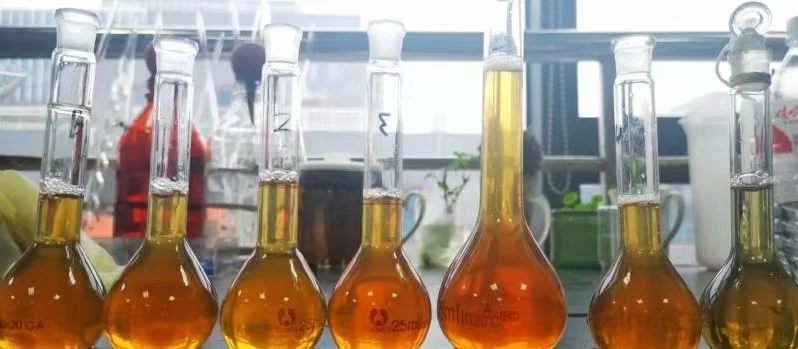
Solubility and Formulation Compatibility
The solubility characteristics of proanthocyanidin B2 facilitate its application across multiple dosage forms. Data indicates its solubility in water at 25°C is approximately 60 mg/mL, while in DMSO it exceeds 50 mg/mL. These solubility properties imply:
- Good solubility in aqueous formulations, making it suitable for solution-based products or liquid dosage forms
- Excellent solubility in alcohol-water mixed solvents, suitable for soft capsule fillings
- Limited solubility in pure oil systems necessitates consideration of co-solvents or dispersants
Compatibility Considerations
In compound formulations, the compatibility of proanthocyanidin B2 with other ingredients is a key technical consideration. Polyphenolic compounds may undergo chelation reactions with metal ions, affecting product appearance and stability. Formulations should therefore control metal ion content or incorporate appropriate chelating agents (e.g., EDTA). Concurrently, proanthocyanidin B2 may interact with macromolecules such as proteins and polysaccharides. Compatibility testing within composite formulations is essential to evaluate the impact on proanthocyanidin B2 content and stability.
Why Choose Appchem?
Corporate Development History
Our company is a high-tech enterprise specialising in the research, development, production and sale of natural plant-derived active ingredients, with over a decade of dedicated experience in the plant extraction industry. Since its inception, the company has consistently adhered to the development philosophy of "technological innovation and quality as the foundation", gradually evolving into a professional supplier within the plant extract sector.
The company's development history dates back to 2006, initially focusing on conventional plant extract products such as apple polyphenols. With evolving market demands and accumulated technological expertise, the company progressively expanded into high-purity single-component extracts, successfully developing high-value-added products like proanthocyanidin B2. This has established a comprehensive product portfolio spanning from crude extracts to high-purity single compounds.
[To learn more about our journey, please click here to visit our "Development History" page]
R&D Capabilities and Equipment
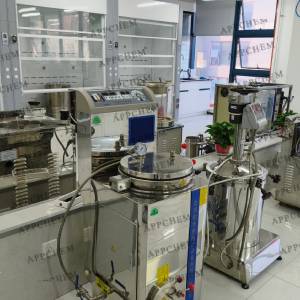
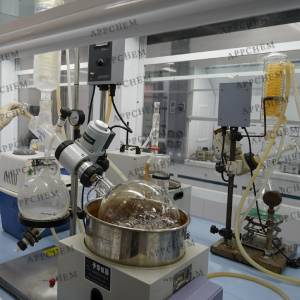
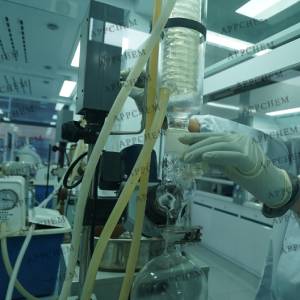
The company maintains an independent R&D centre equipped with advanced analytical testing apparatus and extraction/separation equipment. The R&D team, led by multiple PhDs and Master's, possesses extensive expertise in natural product chemistry, separation and purification techniques, and quality standard research.
For analytical testing, the company employs precision instruments including high-performance liquid chromatography (HPLC), liquid chromatography-mass spectrometry (LC-MS), gas chromatography (GC), and ultraviolet-visible spectrophotometers. This enables comprehensive quality control throughout the entire process, from raw material screening and intermediate product monitoring to final product release. For proanthocyanidin B2, a robust HPLC detection method has been established to ensure each batch meets purity and content specifications.
For extraction and separation, the company employs modern separation techniques including column chromatography, membrane separation, and crystallisation. This enables the efficient separation and purification of Proanthocyanidin B2 from grape seed extract or apple extract, achieving product purity exceeding 6%.
[To explore our innovation capabilities, please click here to visit our 'R&D and Innovation' page]

Production Environment and Quality System
The company's production facility is designed and constructed in strict compliance with GMP standards. It features comprehensive air purification systems, purified water systems, and clean production facilities, ensuring the production environment meets the quality requirements for dietary supplement ingredients.
Regarding the quality management system, the company has established a comprehensive quality assurance framework covering the entire process chain, including supplier management, incoming material inspection, production process control, finished product testing, and warehousing/transportation. It holds certifications for ISO 9001 Quality Management System, ISO 22000 Food Safety Management System, and HACCP, while continuously enhancing the effectiveness of its quality management system.
For export markets, the company's products comply with relevant FDA requirements, with production processes adhering to cGMP standards. Each batch is accompanied by a comprehensive Certificate of Analysis (COA) detailing testing parameters, including identification, content, appearance, solubility, loss on drying, heavy metals, and microbiological testing, thereby fulfilling customer quality traceability requirements.
[To view our full certification portfolio, click here to visit our 'Certification' page]
Reference
[1]Yao Pengmei, Liu Qianqian, Jin Ting et al. Proanthocyanidin B2 mitigates hydrogen peroxide-induced damage in H9c2 cells by inhibiting NLRP3 activity [J]. Bulletin of Chinese Pharmacology, 2020.
[2]Efsa Panel on Dietetic Products. "Scientific Opinion on the substantiation of a health claim related to riboflavin (vitamin B2) and contribution to normal energy-yielding metabolism pursuant to Article 14 of Regulation (EC) No 1924/2006." EFSA Journal (2013).
[3]E. Fereiduni, A. Ghasemi et al. "Characterisation of Composite Powder Feedstock from Powder Bed Fusion Additive Manufacturing Perspective." Materials (2019).
[4]T. Wallace, D. Mackay et al. "Dietary Supplement Regulation in the United States." Dietary Supplement Regulation in the United States (2013).
[5]F. Loew. "Nutrient Requirements of Beef Cattle, 5th Revised Edition." Canadian Veterinary Journal-revue Veterinaire Canadienne (1977).


