

For blood glucose management or functional foods targeting sugar control, phlorizin from APPCHEM is the more precise choice. For weight management or overall metabolic health, green tea extract holds the edge. Phlorizin, a distinctive polyphenol derived from apples, and green tea extract, a classic functional ingredient, exhibit significant differences in their mechanisms of action and applications. At the same time, both are attracting growing global market attention in the field of functional plant extracts as ingredients focused on blood glucose management and metabolic health. For B2B buyers and formulation developers, a thorough understanding of the functional positioning and scientific rationale behind these two ingredients is crucial for product development and market differentiation.
What Is Phlorizin and How Does It Regulate Glucose Metabolism?
Phlorizin is a dihydrachalcone compound found naturally in apple bark, roots, and unripe fruit, and constitutes a key component of apple polyphenols. Its primary mechanism of action involves inhibiting sodium-glucose cotransporters (SGLT1 and SGLT2), thereby reducing intestinal glucose absorption and promoting renal glucose excretion. According to a study published in the Chinese Journal of Food Science in 2023, phlorizin significantly reduces postprandial blood glucose levels and improves insulin sensitivity in animal models, with a mechanism of action similar to that of modern antidiabetic drugs, namely SGLT2 inhibitors. Furthermore, a 2022 study in the Journal of Agricultural and Food Chemistry indicated that genipin also possesses antioxidant properties, capable of reducing oxidative stress in high-glucose environments.
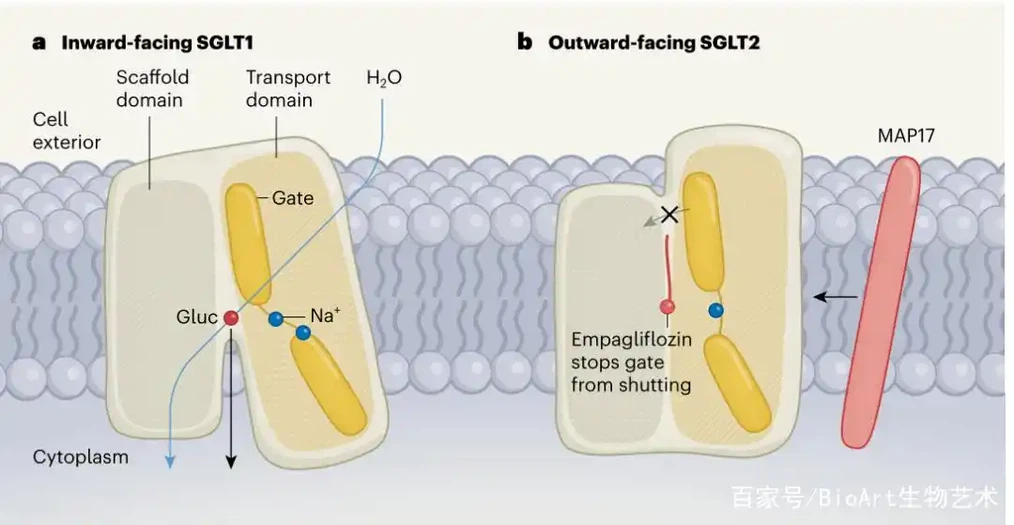
From an application perspective, Phlorizin has the following characteristics:
- Clear mechanism of action: acts directly on glucose transport channels, with a well-defined mechanism
- Suitable for blood glucose management products: particularly well-suited for the development of functional foods and metabolic health supplements.
- Stable raw material supply: Apple processing by-products can serve as a source for extraction, offering supply chain advantages
However, it should be noted that the bioavailability of phloretin in the human body is relatively limited, as it is easily broken down into phloretin in the gut, which has a certain impact on its ultimate efficacy. Therefore, in B2B development, attention must be paid to its stability and formulation optimisation.

What Are the Functional Benefits of Green Tea Extract in Metabolism?
Green tea extract is primarily derived from the leaves of the tea plant (Camellia sinensis), and its key active components are catechins, particularly epigallocatechin gallate (EGCG). Its application in the field of metabolic health is supported by a wealth of clinical and epidemiological research. According to a systematic review published in the American Journal of Clinical Nutrition in 2021, green tea extract can significantly improve fat oxidation rates when consumed over the long term and offers some support for weight management. Furthermore, a domestic study published in Food Science in 2023 indicated that EGCG can enhance lipid metabolism efficiency by activating the AMPK signalling pathway and, to a certain extent, lower blood glucose levels.
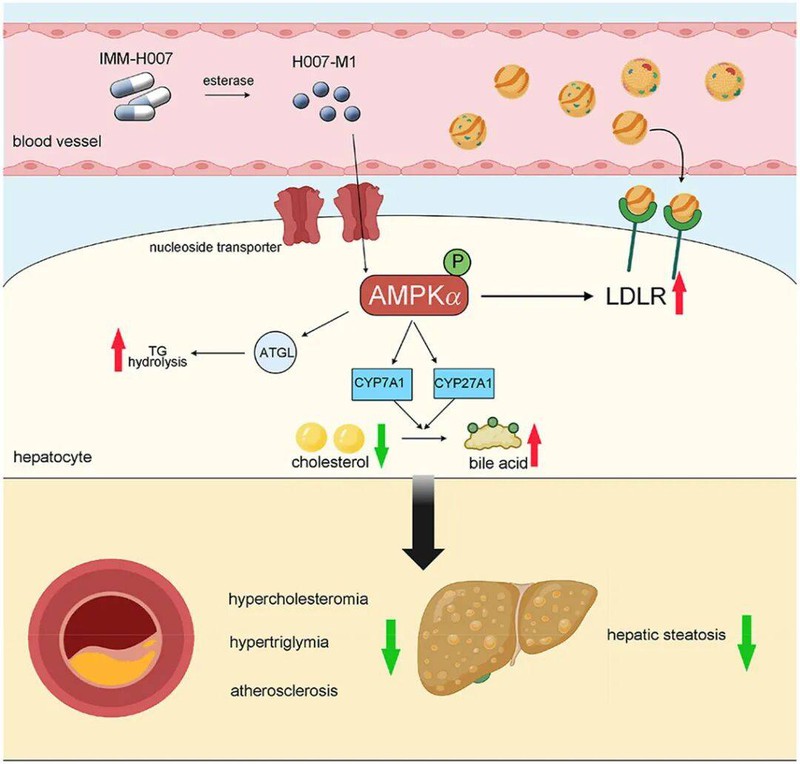
The core advantages of green tea extract include:
- Multi-targeted mechanism of action: simultaneously influences lipid metabolism, glucose metabolism, and the antioxidant system
- Extensive clinical data: Long-term safety and functional efficacy are well-established
- High consumer recognition: Facilitates the marketing of end-products
However, compared to Phlorizin, the role of green tea extract in blood glucose control is more 'indirectly regulatory', with its effects typically dependent on long-term consumption. Furthermore, high doses of EGCG may place a burden on liver function in certain individuals, which is a key safety consideration in B2B formulation design.
How Do Phlorizin and Green Tea Extract Compare in Applications?
In practical applications, Phlorizin and green tea extract have distinctly different positioning.
Firstly, in terms of functional focus, Phlorizin is more geared towards 'precise blood glucose management', making it particularly suitable for products designed to control postprandial blood glucose levels; green tea extract, on the other hand, is better suited to products aimed at 'weight management and comprehensive metabolic improvement'. According to a comparative study published in Nutrients in 2022, the SGLT inhibition pathway is more effective at controlling blood glucose levels than the antioxidant pathway alone, which further reinforces Phlorizin's advantage in the blood glucose management niche market.
Secondly, regarding the onset of action and user experience, since Phlorizin acts directly on glucose transport, it demonstrates a more immediate effect in post-meal blood glucose control; whereas green tea extract requires continuous intake for several weeks or more to manifest its metabolic improvement effects.
Thirdly, regarding formulation compatibility: Phlorizin, derived from the bark and roots, is better suited for combination with other blood-sugar-lowering ingredients such as bitter melon extract and mulberry leaf extract. Green tea extract, on the other hand, is frequently combined with ingredients such as caffeine and L-carnitine for use in weight management products.
Finally, regarding cost and market strategy, green tea extract offers a cost advantage due to its established large-scale production processes; whereas Phlorizin, derived from the bark and roots, as a relatively niche ingredient, possesses greater potential for differentiation and positioning in the premium segment.
Which Ingredient Should B2B Buyers Choose for Product Development?
For B2B procurement and brand development professionals, the decision between Phlorizin and green tea extract should be based on the target market and product positioning.
If the product is positioned for blood glucose management or as a functional food for blood sugar control, Phlorizin is undoubtedly the more targeted choice. Its well-defined SGLT-2 inhibitor mechanism lends greater credibility to its functional claims and scientific backing. According to a 2022 study published in the Chinese Journal of Pharmacology, it demonstrates significant potential for improving insulin resistance, making it suitable for the development of products targeting individuals with prediabetes.
If the product is positioned for weight management or comprehensive metabolic health, green tea extract offers greater advantages. Its multi-target mechanism of action and widespread consumer recognition facilitate rapid market entry and the achievement of large-scale sales.
Furthermore, trends indicate that formulation combinations are becoming the mainstream approach. For example, combining phlorizin with green tea extract can achieve the dual functions of 'blood sugar control and fat burning'. According to a 2023 study in Food & Function, polyphenol combinations demonstrate synergistic effects in the management of metabolic syndrome, providing an important direction for B2B innovation.
Reference
1. Tripathi S, Singh G. Neuroprotective potential of dihydrochalcones: Phloretin and phloridzin[M]//de Oliveira M R. Natural molecules in neuroprotection and neurotoxicity. Pittsburgh: Academic Press, 2024: 1723-1737.
2. Kumar S, Chhimwal J, Kumar S, et al. Phloretin and phlorizin mitigate inflammatory stress and alleviate adipose and hepatic insulin resistance by abrogating PPARγ S273-Cdk5 interaction in type 2 diabetic mice[J]. Life Sciences, 2023, 322: 121668.
3. Kuriyama S, Shimazu T, Ohmori K et al. Green tea consumption and mortality from cardiovascular disease, cancer, and all causes in Japan: the Ohsaki Study. JAMA. 13 September 2006;296(10):1255–65.
4. Chu, C., et al., Green Tea Extracts Epigallocatechin-3-gallate for Different Treatments. Biomed Res Int, 2017: p. 5615647.
5. Niu, Y. et al., The phytochemical, EGCG, extends lifespan by reducing liver and kidney function damage and improving age-associated inflammation and oxidative stress in healthy rats. Aging Cell, 2013. 12(6): p. 1041-9.