
For suppliers of plant extracts and nutritional ingredients targeting B2B clients, Ginkgo Biloba Extract and Phosphatidylserine (PS) are two highly representative ingredients for brain health. There are distinct differences between the two in terms of their mechanisms of action, application scenarios, and market positioning.
Ginkgo Biloba Extract: A Classic Brain Health Ingredient Centred on Blood Flow Regulation
Ginkgo biloba extract is derived from the leaves of the Ginkgo biloba tree. Standardised products typically contain flavone glycosides and terpene lactones as their primary active ingredients (a common specification is 24% flavones + 6% lactones). Its core mechanisms of action revolve around 'improving cerebral microcirculation' and 'antioxidant protection'.
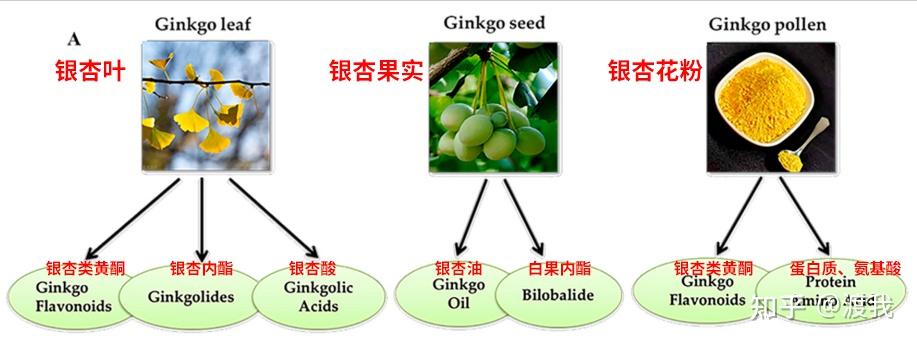
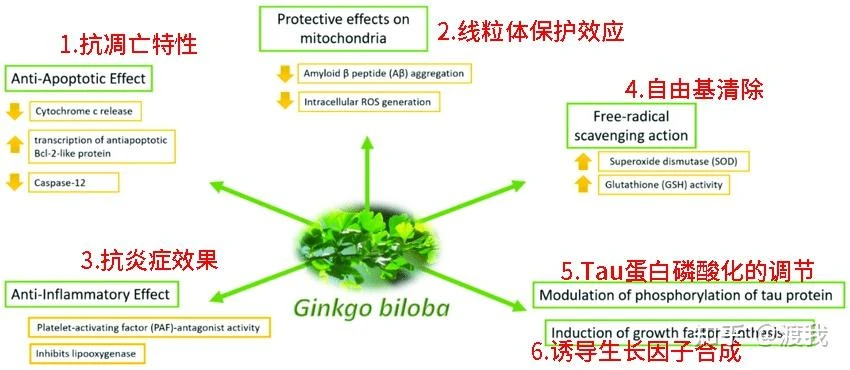
Firstly, from a physiological perspective, Ginkgo extract enhances cerebral blood flow by dilating blood vessels, reducing blood viscosity and inhibiting platelet aggregation. This mechanism gives it clear clinical value in conditions associated with insufficient cerebral blood supply, such as 'memory decline' and 'lack of concentration'. Extensive clinical research indicates that its supportive effects are particularly pronounced in cases of mild cognitive impairment (MCI) and among the elderly.
Secondly, the flavonoids present in ginkgo possess strong antioxidant properties, capable of scavenging free radicals and reducing oxidative damage to nerve cells. This plays a positive role in delaying cerebral ageing and neurodegenerative changes. Furthermore, terpenoids (such as ginkgolides A and B) also exert synergistic effects in neuroprotection and anti-inflammatory responses. In terms of B2B applications, ginkgo biloba extract offers the following advantages:
- High market recognition and mature consumer education
- Suitable for a variety of dosage forms (tablets, capsules, beverages, functional foods)
- Stable supply chain and high global standardisation
However, it should be noted that the effects of ginkgo extract are more oriented towards 'long-term maintenance', and in certain markets (such as Europe and the US), higher requirements are placed on its safety and standardisation, for example, regarding the control of heavy metals, pesticide residues and ginkgolic acid content.
Phosphatidylserine (PS): A functional lipid centred on supporting neuronal cell membranes
Phosphatidylserine (PS) is a phospholipid naturally present in cell membranes, and is particularly abundant in brain neurons. Its primary functions are to maintain the structural integrity of cell membranes and to facilitate neural signal transmission. In terms of its mechanism of action, the core advantage of PS lies in its 'direct involvement in neuronal function'.
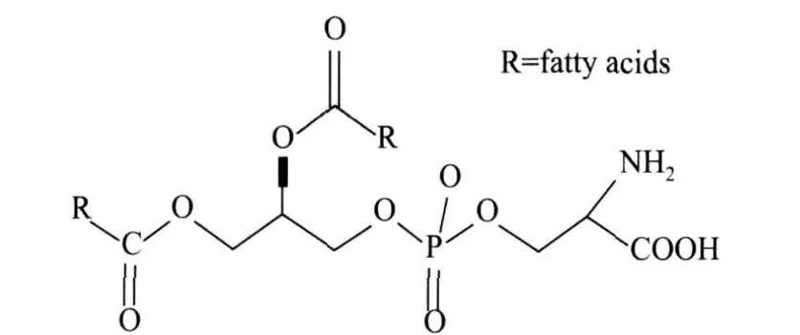
Specifically, this includes:
- Enhancing neurotransmitter release
PS helps to promote the synthesis and release of key neurotransmitters such as acetylcholine, thereby enhancing memory and learning ability. This is particularly important for students and those under high cognitive load.
- Maintaining cell membrane fluidity
As we age, the fluidity of neuronal cell membranes decreases, affecting the efficiency of information transmission. As a key component of membrane structure, PS can improve membrane stability, thereby optimising neural signal transmission. Regulating stress and cortisol levels. Some studies suggest that PS can help reduce cortisol spikes caused by physical or psychological stress, offering some support for emotional management and combating fatigue. In terms of raw material sources, the mainstream PS sources currently available on the market include Soy-derived PS and Sunflower-derived PS. Among these, non-GMO and allergen-friendly sources (such as sunflower-derived PS) are more favoured in European and American markets.
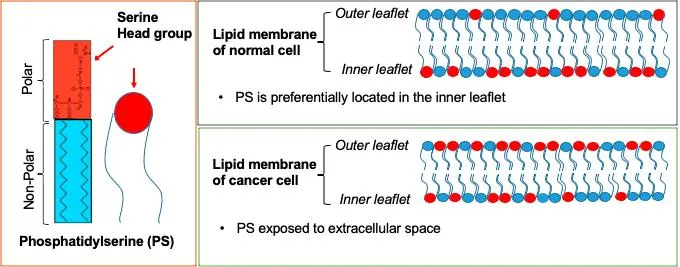
In B2B applications, PS possesses the following characteristics:
- More suitable for 'immediate cognitive enhancement' products (such as brain-boosting formulations)
- Clear scientific positioning, suitable for high-end functional foods and dietary supplements
- Easily combined with other ingredients (such as DHA, choline, and ginkgo) to form multi-ingredient systems
Compared to ginkgo extract, PS is more akin to a "functional nutrient" rather than a traditional herbal extract; whilst its pricing is typically higher, it offers greater added value.
Ginkgo vs PS: Key Differences in Application Scenarios and Formulation Strategies
From the perspective of B2B product development and market strategy, ginkgo leaf extract and phosphatidylserine are not simply interchangeable; rather, they are suited to different functional positioning and consumer demographics.
1. Differences in Target Audiences
Ginkgo biloba extract: More suitable for middle-aged and elderly individuals, particularly those concerned with issues such as declining memory and insufficient cerebral blood flow.
Phosphatidylserine: More suitable for students, office workers and high-stress individuals, with an emphasis on enhancing focus and learning ability.
2. Differences in Functional Positioning Ginkgo
Focuses on "cerebral circulation + antioxidant effects + long-term protection"
PS: Focuses on "neural transmission + immediate cognitive enhancement"
3. Onset of Action and Duration of Use
Ginkgo extract typically requires continuous use for several weeks to several months
PS has shown a trend towards faster cognitive improvement in some studies
4. Formulation Compatibility
In actual product development, the two are often used in combination formulations, for example:
- Ginkgo extract + PS + DHA: to build a "blood flow + neural + structural" triple support system.
- PS + Choline: Enhances memory and learning ability.
- Ginkgo + Antioxidants (e.g. Vitamin E): Boosts brain protection
This formulation strategy offers greater competitiveness in the current functional food market and better aligns with consumer demand for "multi-dimensional brain health support".
B2B Procurement and Market Trends: How to Select the Optimal Brain Health Ingredients?
For suppliers of plant extracts and functional ingredients, the choice between Ginkgo biloba extract and phosphatidylserine (PS) requires a comprehensive assessment that takes into account the target market, product positioning and regulatory environment.
1. Cost and Market Acceptance Ginkgo biloba extract offers a clear cost advantage, making it suitable for large-scale market promotion; whereas PS is more expensive and is better suited to high-end product lines or differentiated brand strategies.
2. Regulations and Compliance In European and American markets, PS is typically classified as GRAS (Generally Recognised as Safe), whereas Ginkgo extract requires strict control over active ingredients and safety parameters. Consequently, suppliers must possess a robust quality control system and traceability documentation (such as Certificates of Analysis and third-party testing reports).
3. Product Differentiation Capabilities PS still possesses a strong 'technological' and innovative appeal in the current market, helping brands establish a premium image; ginkgo, on the other hand, is more of a 'classic ingredient', suitable for products that emphasise tradition and consistent efficacy. Conclusion
Ginkgo biloba leaf extract and phosphatidylserine represent two distinct pathways for brain health: 'herbal conditioning' and 'functional lipid nutrition', respectively. The former emphasises improved blood flow and antioxidant protection, making it suitable for long-term cognitive maintenance; the latter focuses on neuronal function and immediate cognitive performance, making it more suitable for high-intensity mental tasks. For B2B clients, the optimal strategy is not to choose a single option, but to flexibly adopt either a single ingredient or a combination formula based on the target audience and product positioning, thereby achieving differentiation and high conversion rates in the highly competitive brain health market.
Reference
[1] Suzuki S et al. Oral administration of soybean lecithin transphosphatidylated phosphatidyl - serine improves memory impairment in aged rats. J Nutr. 2001 Nov; 131(11): 2951~2956
[2] Delwaide PJ. Double-blind randomised controlled study of phosphatidylserine in senile demented patients[J]. Acta Neurol Scand,1986,73(2): 136-140.
[3] Crook TH, Tink Lengerg J, Yesavage J, et al. Effects of phosphatidylserine in Alzheimer's disease[J]. Psychopharmacl Bull, 1992, 28 (1): 61-66.
[4] Cenacchi T. Cognitive decline in the elderly: a double-blind, placebo-controlled multicenter study on efficacy of phosphatidylserine administration[J]. Ageing ( Milano), 1993, 5 (2): 123-133.
[5] Pagotto, G. L. d. O., Santos, L. M. O. d., Osman, N., Lamas, C. B., Laurindo, L. F.,Pomini, K. T., Guissoni, L. M., Lima, E. P. d., Goulart, R. d. A., Catharin, V. M. C. S.,Direito, R., Tanaka, M., & Barbalho, S. M. (2024). Ginkgo biloba: A Leaf of Hope in the Fight against Alzheimer's Dementia: Clinical Trial Systematic Review. Antioxidants, 13(6), 651. https://doi.org/10.3390/antiox13060651-
[6] Ma, J., & Zhao, Y. (2009). Cover picture. The precious qualities of a "fossil" tree. Child's nervous system: ChNS: official journal of the International Society for Pediatric Neurosurgery, 25(7), 777-778. https://doi.org/10.1007/s00381-009-0866-ye
[7] Lee, C. W., Wang, B. Y, Wong. S. H., Chen, Y. F., Cao, Q., Hsiao, A. W., Fung. S. H., Chen, Y.F., Wu, H. H., Cheng. P. Y., Chou, Z. H., Lee, W. Y., Tsui, S. K. W., & Lee, O. K. (2025). Ginkgolide B increases healthspan and lifespan of female mice. Nature Ageing, 10.1038/s43587-024-00802-0.Advance online publication.