


What Is the Functional Food Ingredient – Sulforaphane Powder?
Functional Food Ingredient – Sulforaphane Powder SFN is a highly active plant compound extracted from the sprouts of cruciferous vegetables, such as broccoli. Due to its potent antioxidant, detoxifying enzyme-inducing and anti-inflammatory properties, sulforaphane has been extensively researched and utilised in functional foods, dietary supplements and health-promoting formulations; it is particularly suitable for product development aimed at supporting cellular protection, immune modulation and cardiovascular health.
Unlike ordinary broccoli powder or non-standardised cruciferous vegetable powders, Sulforaphane Powder SFN focuses on the efficient enrichment of sulforaphane and the control of its activity stability. Through standardised extraction and purification processes, the active ingredient is managed in a quantifiable manner, ensuring the product meets the professional application requirements of dietary supplements and functional foods in terms of purity, stability, and batch consistency.
Sulforaphane Powder SFN typically appears as a pale yellow to light green powder, offering excellent solubility and formulation compatibility. It is suitable for a wide range of product forms, including capsules, tablets, granules, functional beverages, and health-promoting instant powders. In practical applications, this product is commonly used in formulations for antioxidant support, detoxification enzyme activation, cardiovascular health, and immune balance. It can also be used in synergy with other plant-derived active ingredients such as green tea extract, resveratrol, and vitamin C to form a multi-mechanism cellular protection and health defence system.
PS: This page focuses on the product application information.
For the product Technical Data Sheet, please click Broccoli Extract Powder Sulforaphane HPLC5% 21414-41-5 TDS.
For Integrated Supply Chain & Solutions, please click Functional Food Ingredient Sulforaphane Powder SFN.
What Are the Key Benefits and Mechanisms of Action?
The health benefits of sulforaphane (SFN) stem from its unique, multi-targeted biological mechanisms of action. Rather than directly neutralising free radicals, it acts as a signalling molecule that activates and enhances the cells' own defence and repair systems. Its most fundamental and extensively studied mechanism of action is its role as a potent activator of the nuclear factor E2-related factor 2 (Nrf2) signalling pathway.
2.1 The Nrf2 Signalling Pathway: The Master Switch of Cellular Defence
Under normal physiological conditions, Nrf2 binds to an inhibitory protein called Keap1 and remains in an inactive state. When cells encounter oxidative stress (such as environmental toxins, UV radiation or inflammation) or come into contact with electrophilic compounds like sulforaphane, sulforaphane modifies specific cysteine residues on the Keap1 protein, causing Nrf2 to be released from Keap1's grip. Once liberated, Nrf2 rapidly translocates into the cell nucleus, where it binds to the Antioxidant Response Element (ARE). The ARE is a DNA sequence found in the promoter regions of hundreds of genes that encode phase II detoxification enzymes and antioxidant proteins in the human body. By activating the ARE, Nrf2 is able to 'instruct' cells to mass-produce a range of protective proteins, thereby constructing a robust endogenous defence network. These key downstream genes include:
- Haem oxygenase-1 (HO-1): A potent antioxidant and anti-inflammatory protein that breaks down haem to produce carbon monoxide, biliverdin and iron ions, which have cytoprotective effects.
- NAD(P)H: quinone oxidoreductase 1 (NQO1): Involved in the detoxification of various exogenous toxins and endogenous quinone compounds, preventing them from generating reactive oxygen species.
- Glutathione S-transferases (GSTs): Catalyse the binding of carcinogens, drugs and environmental toxins to glutathione, increasing their water solubility and facilitating their excretion from the body.
- Glutamate-cysteine ligase (GCLC): The key rate-limiting enzyme in the synthesis of glutathione (GSH). Glutathione is one of the most important antioxidants within cells.

Consequently, sulforaphane fundamentally enhances the cell's ability to combat oxidative stress, eliminate toxins and maintain redox homeostasis by activating the Nrf2-ARE pathway. This effect is catalytic and long-lasting, in stark contrast to the 'one-to-one' consumption of free radicals by exogenous antioxidants.
2.2 Multidimensional Health Benefits
Based on its potent activation of Nrf2 and its influence on other molecular pathways, sulforaphane demonstrates extensive health potential:
Powerful Antioxidant and Detoxifying Functions: This is sulforaphane's most fundamental and significant benefit. By upregulating the phase II detoxification enzyme system, it helps the body effectively neutralise and eliminate various endogenous and exogenous harmful substances, such as air pollutants, pesticide residues and alcohol metabolites, thereby protecting cells and DNA from damage.
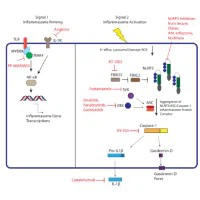

- Significant anti-inflammatory effects: Chronic inflammation is a common pathological basis for many chronic diseases (such as cardiovascular disease, arthritis and neurodegenerative diseases). Sulforaphane not only inhibits the production of inflammatory cytokines via the Nrf2 pathway but also directly suppresses pro-inflammatory signalling pathways, such as NF-κB, thereby effectively alleviating inflammatory responses.
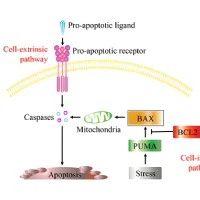
- Anti-cancer potential: Extensive research indicates that sulforaphane holds immense potential in cancer prevention and adjuvant therapy. Its mechanisms are multifaceted, including: inducing apoptosis (programmed cell death) in cancer cells, inhibiting cancer cell proliferation, blocking tumour angiogenesis, and enhancing the body's ability to detoxify carcinogens.
- Neuroprotective Effects: Oxidative stress and neuroinflammation are key factors in neurodegenerative diseases such as Alzheimer's and Parkinson's. Sulforaphane is able to cross the blood-brain barrier, activate the Nrf2 pathway in the brain, protect neurons from damage, and improve mitochondrial function, demonstrating potential benefits for a variety of neurological conditions.
- Other potential benefits: Emerging research has also found that sulforaphane may help regulate blood sugar, improve blood lipid profiles, inhibit elevated uric acid levels, combat obesity, and even show positive effects in alleviating certain behavioural symptoms of autism spectrum disorder (ASD). These diverse benefits further expand the application prospects of sulforaphane in the dietary supplement sector.
What Are the Market Applications and Dosage Forms?
As a potent ingredient with a well-defined mechanism of action, sulforaphane (SFN) is being thoroughly explored by global dietary supplement brands for its market potential. It addresses the health concerns that are currently of greatest interest to consumers and supports a wide range of innovative product forms and formulation combinations.
3.1 Core Application Areas
Sulforaphane's application areas are broad yet highly focused on high-value market segments:
- Cellular Health & Detoxification:
Product Concept: Products such as 'Daily Cellular Shield', 'Urban Purification Formula' or 'Liver Health Support' could be developed. Formulations could combine sulforaphane with synergistic ingredients such as milk thistle, curcumin or N-acetylcysteine (NAC) to provide comprehensive detoxification and antioxidant support.
Target Audience: Urban dwellers, frequent diners out, smokers and drinkers, and consumers concerned about the health impacts of the environment.
- Healthy Ageing & Cognitive Function:
Product Concepts: Products such as "Peak Brain Power", "Cognitive Clarity Formula", or "Mito-Vitality" could be developed. Sulforaphane's neuroprotective and anti-inflammatory properties make it an ideal core ingredient, which can be combined with ingredients such as Ginkgo biloba extract, phosphatidylserine (PS), omega-3 fatty acids or PQQ to support brain health from multiple angles.
Target Audience: Middle-aged and elderly people aged 45 and over, concerned about cognitive health, knowledge workers, students, and those seeking preventive cognitive healthcare.
- Immune System Modulation:
Product Concept: Products such as "Smart Immune Modulators" or "Respiratory Defence" can be developed. By regulating the Nrf2 and NF-κB pathways, sulforaphane balances immune responses rather than simply stimulating them. It can be combined with classic immune-boosting ingredients such as elderberry, echinacea, vitamin D3 and zinc to provide deeper immune support.
Target Audience: Individuals with compromised immunity, those troubled by seasonal health issues, and healthy individuals seeking to maintain year-round immune balance.
- Sports Nutrition & Recovery:
Product Concept: Products such as "post-workout rapid recovery" or "anti-inflammatory recovery formulas" can be developed. Sulforaphane can mitigate oxidative damage caused by intense exercise and can be combined with branched-chain amino acids (BCAAs), whey protein, and tart cherry extract to optimise recovery effects.
Target Audience: Fitness enthusiasts, endurance athletes, and anyone seeking to improve athletic performance and recovery speed.
3.2 Flexible Product Formulations
Sulforaphane powder offers excellent processability, supporting a wide range of mainstream and innovative dietary supplement formats: Capsules & Tablets: This is the most classic and well-established application format. Precise filling ensures accuracy in each dose. A key technical consideration during formulation is ensuring the bioavailability of sulforaphane. Many successful formulations incorporate both its precursor, glucosinolates, and myrosinase, or utilise our specially processed, stabilised sulforaphane powder to ensure efficient conversion and absorption within the digestive tract.

- Powders & Functional Beverages: As consumers seek convenience and personalised dosing, powdered products are becoming increasingly popular. Sulforaphane powder can be easily added to protein powders, meal replacement shakes, green vegetable and fruit powders, or energy drinks.
- Gummies & Chewables: To appeal to younger consumers and those who dislike swallowing capsules, gummies and chewables are highly attractive dosage forms. Manufacturers are actively developing sulforaphane-enriched chewables and functional snacks. Developing these formulations requires advanced microencapsulation technology to protect sulforaphane and maintain its activity under the high temperatures and shear forces encountered during processing.
What Are the Application Limitations and Solutions?
As a responsible ingredient supplier, we believe that transparent communication regarding the chemical properties of sulforaphane (SFN), particularly the challenges relating to its stability, is crucial to helping our customers successfully develop stable and effective products. The isothiocyanate group (-N=C=S) in the sulforaphane molecule is highly reactive; whilst this is the source of its biological activity, it is also the cause of its instability.
4.1 Key Stability Challenges
Scientific research has clearly demonstrated that sulforaphane is highly sensitive to the following environmental factors:
- Heat sensitivity: Temperature is the most critical factor affecting the stability of sulforaphane. It is extremely heat-labile, and high temperatures drastically accelerate its degradation. Research data indicates that for every 10°C increase in temperature, the degradation rate increases by approximately 3.1 times. Significant degradation is observed in aqueous solutions above 50°C, whilst rapid decomposition occurs at 100°C (e.g. during pasteurisation).
Implications for production: During manufacturing processes such as tablet compression, capsule filling and powder blending, ambient temperature must be strictly controlled to prevent localised overheating caused by equipment friction or prolonged operation. For dosage forms requiring heat treatment (e.g. soft sweets), specialised protective techniques must be employed.
- pH Sensitivity (Acidity/Alkalinity): The stability of sulforaphane varies greatly under different pH conditions. It is relatively stable in acidic environments (pH 3–4), but is extremely unstable in neutral to alkaline environments (pH > 6.0), where alkali-catalysed degradation occurs rapidly.
Implications for formulation and dosage forms: For liquid formulations (such as functional beverages), the product's pH should be adjusted to a slightly acidic range to ensure activity throughout the shelf life. In solid dosage forms, the use of alkaline excipients should be avoided. This also explains why sulforaphane is relatively stable in the acidic environment of the stomach but needs to be rapidly absorbed once it enters the neutral environment of the intestine.
- Sensitivity to light and oxygen: Sulforaphane is also relatively sensitive to light and oxygen. Exposure to light or contact with oxygen triggers oxidative degradation, leading to a loss of active ingredients.
Implications for packaging and storage: Raw materials and finished products containing sulforaphane should be packaged in opaque, airtight materials, such as aluminium foil pouches or amber glass bottles. Storage conditions should be cool, dry and protected from light. We recommend storing raw materials frozen at -20°C to maximise their activity.
4.2 Our Solution
With a deep understanding of these challenges, we have invested significant R&D resources to provide solutions that overcome these stability issues, ensuring that you receive not merely an ingredient but a comprehensive and reliable technical solution.
- Advanced microencapsulation technology: We utilise cutting-edge microencapsulation technology to encapsulate highly active sulforaphane molecules within food-grade protective carriers. This 'armour' effectively shields the compound from light, heat, oxygen and moisture, significantly enhancing sulforaphane's stability during processing, storage and digestion. Preclinical studies have confirmed that encapsulation using materials such as hydroxypropyl-β-cyclodextrin can substantially improve both thermal and pH stability.
- Providing a Stable Precursor + Enzyme System: In addition to supplying stabilised sulforaphane directly, we offer another highly effective solution: a raw material comprising high-purity glucoraphanin pre-mixed with its activating enzyme (myrosinase) in precise proportions. These two components remain separate and stable in their dry state; only after ingestion, when exposed to the moist environment of the digestive tract, do they come into contact and efficiently convert into active sulforaphane, mimicking the 'on-site activation' process found in natural broccoli sprouts and ensuring optimal bioavailability.
- Comprehensive technical support and formulation guidance: Our technical team will work closely with your R&D team to provide customised application guidance based on your specific product dosage form and manufacturing process, including recommendations for optimal excipients, process parameters (such as temperature and mixing time), and packaging advice, ensuring that your final product retains the maximum possible activity of sulforaphane.
Why Choose APPCHEM?
In the field of functional ingredients, choosing the right supplier is not merely about purchasing a product; it is about selecting a trustworthy partner with whom you can grow together. We understand that exceptional quality, continuous innovation and reliable delivery are the cornerstones of your success.
5.1 Our History
Since our inception, APPCHEM has remained dedicated to discovering and extracting high-performance active ingredients from natural plants. We have evolved from a facility specialising in basic plant extraction into a comprehensive high-tech enterprise integrating R&D, production, quality control and global sales. Our journey stands as a testament to our relentless pursuit of science, our reverence for nature and our unwavering commitment to quality. Explore our company story(www.bonnaturallife.com).
5.2 R&D Capabilities
We operate a state-of-the-art R&D centre equipped with a range of cutting-edge research and testing instruments, including high-performance liquid chromatography-mass spectrometry (HPLC-MS), gas chromatography (GC) and supercritical fluid extraction systems. Our R&D team comprises experts holding PhDs and Master's degrees in pharmacology, phytochemistry and food science. They are dedicated not only to optimising the production processes of existing products but also to exploring cutting-edge functional ingredients such as sulforaphane, for which they develop innovative stabilisation and delivery solutions, such as our microencapsulation technology. We maintain close collaborative relationships with several internationally renowned universities and research institutions, ensuring that our technologies and products remain at the forefront of the industry.
[To explore our innovation capabilities, please click here to visit our 'R&D and Innovation' page]

5.3 Quality Control:
A Rigorous Commitment Throughout the Entire Process. Quality is our most solemn commitment to our customers. We have established a comprehensive quality management system that exceeds industry standards, covering every detail from raw material procurement to the release of finished products.
- Raw Material Traceability: We have entered into long-term contracts with rigorously audited, non-GMO broccoli growing bases to ensure the stability, purity and traceability of our raw material sources.
- Process Control: Every Critical Control Point (CCP) in the production process is closely monitored under the HACCP system. We utilise systems such as SAP to enable real-time tracking and management of production data.
- Finished Product Testing: Every batch of sulforaphane powder leaving our facility must undergo comprehensive testing in our in-house laboratory. Testing parameters include, but are not limited to: purity (HPLC), active ingredient content, particle size distribution, microbial limits, heavy metals, pesticide residues and solvent residues. Furthermore, we regularly send products to internationally recognised third-party laboratories such as SGS and Eurofins for verification testing, ensuring the objectivity and impartiality of the data.
5.4 Our Certifications:
APPCHEM fully recognises the importance of certification to B2B clients. Our factory and products have obtained a range of internationally recognised certifications, serving as a guarantee of your confidence:

Quality and Safety System Certifications: ISO 9001, ISO 22000, FSSC 22000...
Product Attribute Certifications: Kosher, Halal, Non-GMO Project Verified
[To view our full certification portfolio, click here to visit our 'Certification' page]
Reference
[1] Mahn A, Castillo A. Potential of sulforaphane as a natural immune system enhancer: a review. Molecules, 2021, 26(3): 752
[2] Su X, Jiang X, Meng L, et al. Anticancer activity of sulforaphane: the epigenetic mechanisms and the Nrf2 signalling pathway. Oxid Med Cell Longev, 2018, 2018: 5438179
[3] Kaiser A E, Baniasadi M, Giansiracusa D, et al. Sulforaphane: a broccoli bioactive phytocompound with cancer preventive potential. Cancers, 2021, 13(19): 4796
[4] Calabrese E J, Kozumbo W J. The phytoprotective agent sulforaphane prevents inflammatory degenerative diseases and age-related pathologies via Nrf2-mediated hormesis. Pharmacol Res, 2021, 163: 105283
[5] Zhang Y, Wu Q, Liu J, et al. Sulforaphane alleviates high-fat diet-induced insulin resistance via the AMPK/Nrf2/GPx4 axis. Biomedecine Pharmacother, 2022, 152: 113273
[6] Bose C, Alves I, Singh P, et al. Sulforaphane prevents age-associated cardiac and muscular dysfunction through Nrf2 signalling. Ageing Cell, 2020, 19(11): e13261
[7] Sailo B L, Liu L, Chauhan S, et al. Harnessing sulforaphane potential as a chemosensitizing agent: a comprehensive review. Cancers, 2024, 16(2): 244


