

What Is the Pomegranate Extract Punicalagin?
Whitening Cosmetics Ingredient – Pomegranate Extract Punicalagin is a highly active botanical ingredient extracted from the peel of the pomegranate (Punica granatum). Owing to its exceptional antioxidant properties, free radical scavenging capacity, and ability to regulate skin pigmentation, Punicalagin has become one of the most widely used botanical active ingredients for skin brightening in cosmetics and dietary supplements.
APPCHEM selects high-quality pomegranate peel as its raw material and employs scientific solvent extraction, multi-stage separation, and purification processes to extract and concentrate punicalagin systematically. Through standardised extraction and purification processes, we ensure that the product meets the requirements of professional B2B applications in terms of active ingredient content, purity, and batch consistency, thereby satisfying the high standards demanded by the cosmetics and dietary supplement industries.
PS: This page focuses on the product application information.
For the product Technical Data Sheet, please click Patent Ingredient Punicalagin HPLC40% 65995-63-3.
For Integrated Supply Chain & Solutions, please click Pomegranate Extract Punicalagin In Stock.
How Is It Positioned in the Cosmetics Industry?
APPCHEM positions punicalagin as a strategic ingredient designed to meet the following four key market needs:
1. The core driver of a new generation of skin-brightening solutions: Unlike traditional skin-brightening ingredients such as vitamin C and arbutin, punicalagin offers a naturally derived, gentle approach to skin brightening with a clearly defined mechanism of action. By inhibiting the activity of tyrosinase-the key enzyme responsible for melanin production-it prevents pigmentation at its source.
2. The functional cornerstone of dual-action anti-ageing products combining 'anti-glycation and antioxidant' properties: Punicalagin is one of the most potent natural antioxidants currently known, with antioxidant capacity far exceeding that of green tea polyphenols and red wine polyphenols. It effectively scavenges free radicals, protecting cells from oxidative damage caused by external factors such as UV radiation and environmental pollution. At the same time, its anti-inflammatory properties help mitigate 'inflamm-ageing' caused by chronic inflammation.
3. A gentle conditioning ingredient for sensitive and problem skin: Punicalagin's potent anti-inflammatory activity makes it highly effective at soothing skin redness and reducing irritation. For issues such as acne scars and pigmentation caused by inflammation, punicalagin offers synergistic improvement through its dual action of 'anti-inflammation + melanin inhibition'.
4. A 'super ingredient' that enhances a product's technological appeal and narrative: From a marketing perspective, punicalagin draws on the powerful brand equity of the 'superfruit' pomegranate, whilst being underpinned by robust scientific research. Featuring 'high-purity punicalagin' as a core ingredient significantly elevates a product's technological sophistication and professionalism, helping brands stand out in a highly commoditised market.
In summary, our pomegranate extract, Punicalagin, is not merely a single-purpose ingredient; it is a multi-dimensional, systematic solution to skin concerns. It can help your brand create star products that align with current market trends, meet consumers' deep-seated needs, and combine safety with efficacy. It is a wise choice for building product barriers and enhancing brand value amid fierce market competition.
What Are the Product Benefits and Mechanism of Action?
1. Blocking Melanin at the Source to Achieve Exceptional Skin Brightening
The most notable efficacy of Punicalagin lies in its highly effective and precise skin-brightening ability. Numerous in vitro and in vivo scientific studies have confirmed that Punicalagin's skin-brightening efficacy is not achieved through physical means such as exfoliation, but rather by penetrating deep into the skin's structure to intervene at the very source of melanin synthesis, representing a more scientific and safer biochemical approach to skin brightening.
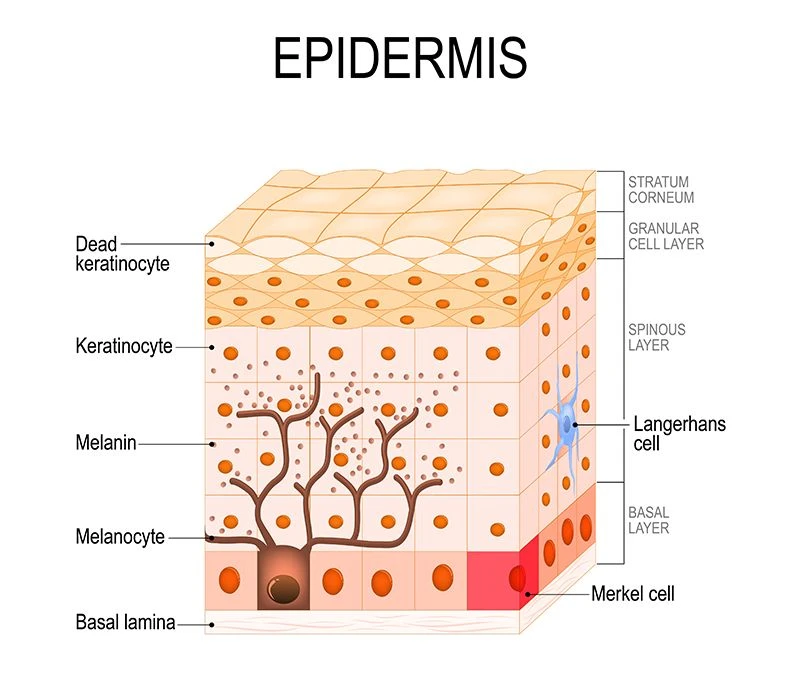
Mechanism of Action: Potent Inhibition of Tyrosinase Activity
The production of melanin is a complex process in which tyrosinase acts as the 'master switch'. It is the key rate-limiting enzyme in melanin synthesis, and its activity directly determines melanin output. Factors such as UV exposure, inflammation and hormonal changes activate tyrosinase, triggering a series of biochemical reactions from tyrosine to dopa and then to dopaquinone, ultimately forming melanin, which leads to darkening of the skin and the formation of pigmentation spots. The core of Punicalagin's skin-lightening mechanism lies in its function as a highly effective non-competitive tyrosinase inhibitor.
- Molecular docking and active site: Research indicates that the multiple phenolic hydroxyl groups in Punicalagin can effectively chelate copper ions at the active site of tyrosinase, altering the enzyme's spatial conformation and thereby inactivating it, preventing it from catalysing melanin synthesis.
- Inhibition of melanocyte activity: In addition to directly inhibiting enzyme activity, research has found that punicalagin can also downregulate the key melanocyte transcription factor (MITF) by modulating cellular signalling pathways, thereby reducing the gene expression and protein production of tyrosinase, achieving inhibition of melanin synthesis across the entire 'gene-protein-enzyme activity' pathway.
- Inhibition of UV-induced pigmentation: In vivo studies have further confirmed the practical efficacy of punicalagin. In animal models, topical application of formulations containing pomegranate extract (rich in punicalagin) significantly inhibited UVB-induced skin pigmentation and melanocyte proliferation.
2. Synergistic Effects: Antioxidant, Anti-inflammatory and Anti-ageing
An exceptional cosmetic active ingredient derives its value not only from its efficacy at a single target, but also from its multifunctional synergistic effects. Punicalagin is a prime example of this; its powerful antioxidant and anti-inflammatory capabilities not only improve skin condition on their own, but also create a '1+1>2' synergistic effect when combined with skin-brightening benefits.
Exceptional antioxidant capacity to prevent pigmentation:
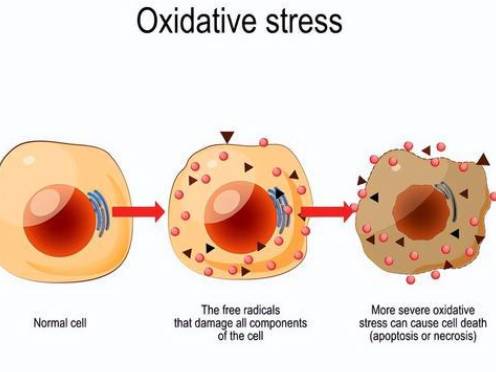
Oxidative stress is a major contributor to skin dullness and dark spots. UV rays and environmental pollutants generate large quantities of free radicals, which attack skin cells and stimulate melanocytes to produce more melanin as a defence mechanism. Punicalagin is a 'master free radical scavenger'; its unique chemical structure enables it to neutralise a wide range of free radicals efficiently, and its antioxidant activity has been proven to exceed that of classic antioxidants such as vitamin C, vitamin E and green tea extract. Through its powerful antioxidant action, Punicalagin can:
- Preventative skin brightening: When exposed to stimuli such as UV rays, it immediately neutralises free radicals, reducing the signals that stimulate melanocytes and thereby preventing the formation of new dark spots.
- Brightening the complexion: It removes oxidative byproducts that cause dullness and skin yellowing, resulting in a more translucent, radiant complexion.
Exceptional anti-inflammatory efficacy, reducing acne scars and post-inflammatory hyperpigmentation (PIH):
Inflammation is the root cause of many skin issues, including acne, sensitivity and dark spots. Particularly after acne has healed, localised inflammation can stimulate excessive melanin production, leaving behind stubborn acne scars known as post-inflammatory hyperpigmentation (PIH). Punicalagin possesses significant anti-inflammatory activity, capable of inhibiting the release of various inflammatory factors. This property makes it particularly valuable in skin-brightening applications:
- Accelerates the fading of acne marks: Through a dual-pronged approach of 'anti-inflammation + tyrosinase inhibition', it both soothes residual inflammation and prevents further melanin production, thereby effectively fading existing acne marks and hyperpigmentation.
- Soothing the skin and reducing redness: For sensitive skin, Punicalagin helps alleviate redness and discomfort, improving skin tolerance and creating a healthy, stable environment for subsequent skin-brightening treatments.
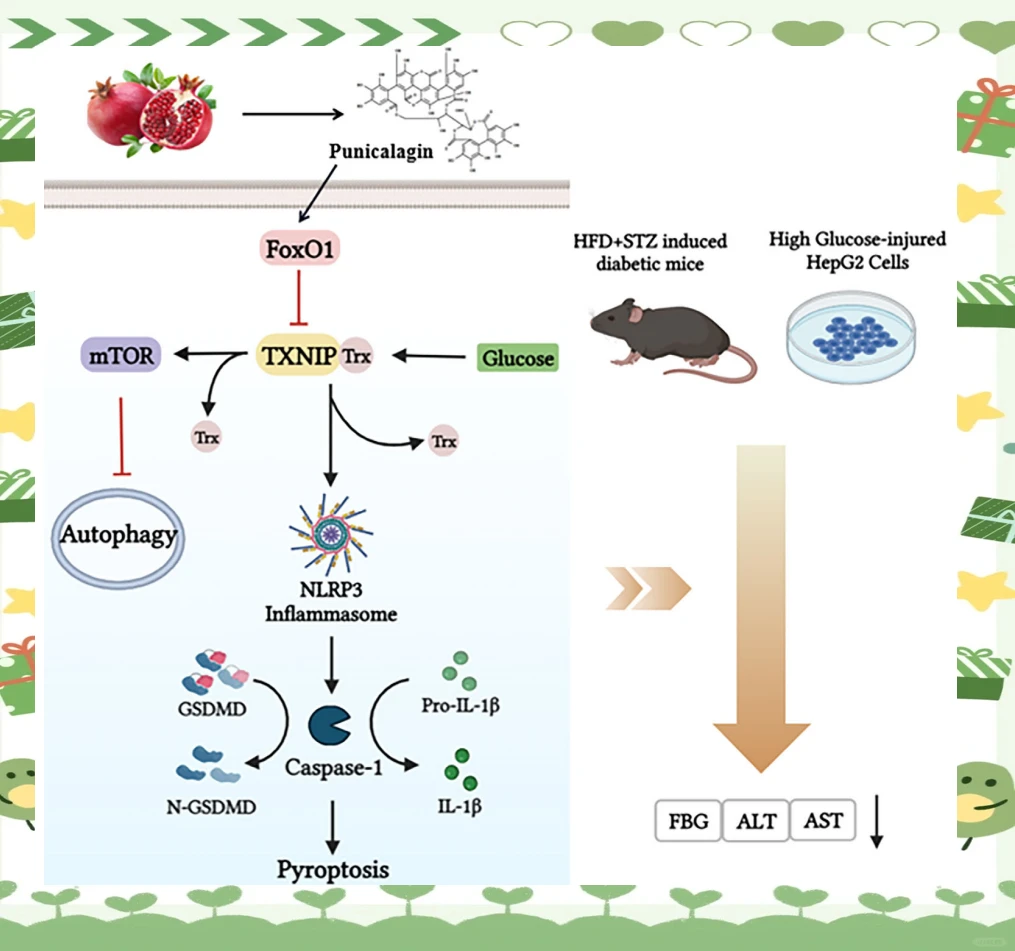
3. Multi-pathway anti-ageing to enhance overall skin health:
Punicalagin's anti-ageing benefits are a natural extension of its antioxidant and anti-inflammatory properties. By reducing free radical damage and chronic inflammation, it effectively protects collagen and elastin in the skin from degradation, thereby maintaining skin firmness and elasticity and reducing the formation of fine lines and wrinkles. Combining brightening with anti-ageing addresses the dual demands of mature consumers for 'radiance' and 'youthfulness'.
In summary, Punicalagin offers a comprehensive and highly effective skin-brightening and health-management solution through a complete 'inhibit-protect-repair' action cycle. Not only does it directly inhibit melanin production, but also, through its antioxidant and anti-inflammatory properties, it prevents and improves uneven skin tone and ageing issues caused by a variety of factors.
What Are the Market Applications and Formulation Recommendations?
-
Product Application Areas: Precisely Targeting Market Trends
Given Punicalagin's exceptional skin-brightening, antioxidant and anti-inflammatory properties, we recommend incorporating it into the following major categories of cosmetics to create a product line with strong market competitiveness.
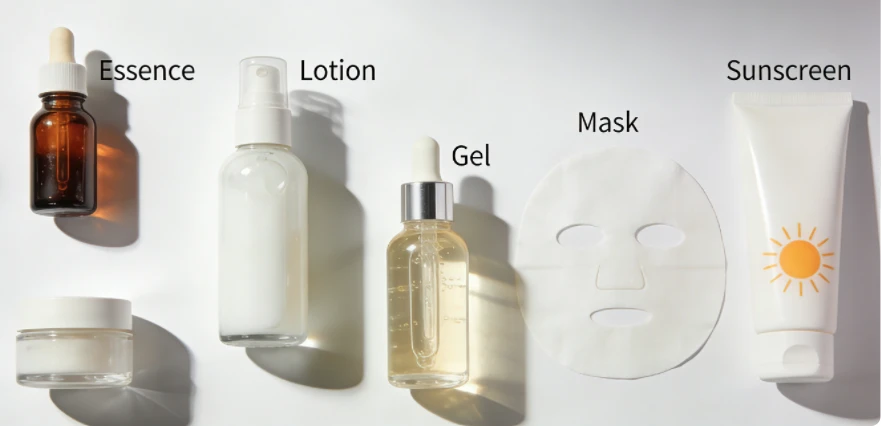
High-Performance Whitening & Brightening Line
- Product Formats: Serums, ampoules, spot-correcting pens, brightening masks.
- Market Positioning: Provides precise, highly effective solutions for consumers with visible pigmentation, uneven skin tone and dullness.
- Formulation Synergy Recommendations: It can be synergised with niacinamide to enhance efficacy; niacinamide inhibits melanin transport whilst Punicalagin suppresses its production, creating a complementary mechanism. Alternatively, it can be combined with mild PHAs (polyhydroxy acids) to promote keratinocyte turnover and accelerate spot-fading results.
Urban Defence & Anti-First-Ageing Line
- Product Formats: Daytime Defence Serum, Anti-Pollution Cream/Lotion, Sunscreen, Anti-Blue Light Spray.
- Market Positioning: Targeting young urban professionals, addressing skin oxidative stress, dullness and early signs of ageing caused by environmental pollution, blue light from electronic devices and lifestyle pressures.
- Formulation Synergy Recommendations: Combine with Ectoin, Vitamin E derivatives (Tocopheryl Acetate) or other anti-pollution ingredients (such as Moringa seed extract) to build a comprehensive daytime protection system.
After-Sun Repair & Soothing Line
- Product Formats: After-sun repair gel, soothing serum, repair mask, body lotion.
- Market Positioning: Provides immediate soothing and deep repair for skin redness, heat, dryness and potential hyperpigmentation risks following sun exposure.
- Formulation Synergy Recommendations: Combine with classic soothing and repairing ingredients such as Panthenol, Bisabolol and Centella Asiatica Extract to deliver a more comprehensive repair effect.
-
Dosage Forms and Formulation Considerations
Punicalagin's excellent water solubility enables easy incorporation into a wide range of cosmetic formulations, offering great convenience for formulators.
- Aqueous Systems: Serums, Ampoules, Toners: Can be dissolved directly in the aqueous phase to form a clear, transparent solution. This is the ideal formulation for demonstrating its activity-recommended usage: 0.1%–2.0%.
- Emulsion Systems: Lotions, Creams: It is recommended to add it during the cooling phase after emulsification (typically below 40°C) to maximise protection of its heat-sensitive activity-recommended usage: 0.2%–2.5%.
- Gel Systems: Masks, Gels: It is highly compatible with common gel-forming agents (such as carbomer and xanthan gum), enabling the formulation of refreshing gel-based products-recommended usage: 0.1%–1.5%.
- Anhydrous Systems: Although Punicalagin is water-soluble, it can also be incorporated in small quantities into powder or ointment products, such as loose powder or sunscreen sticks, through micronisation or by formulating it into a premix.
-
Market Case Study
- Hanhoo - Tea Flower & Pomegranate Line
|
|
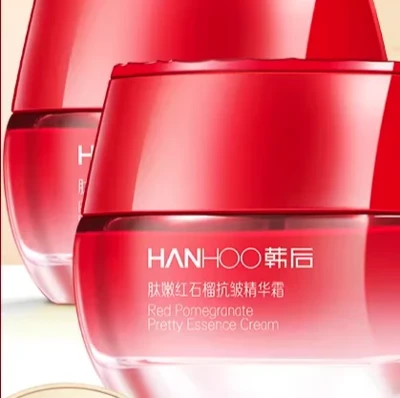
As one of the earlier domestic Chinese cosmetic brands to delve into plant-based concepts, Hanhoo has also launched a product line featuring pomegranate as a core ingredient. By promoting the concept of "Organic Pomegranate," Hanhoo utilises the antioxidant properties of punicalagin primarily in its BB creams and basic skincare products. The brand claims that pomegranate extract effectively improves dull skin tone and resists environmental damage. The Hanhoo case demonstrates how domestic brands have localised the internationally popular "Pomegranate" concept, bringing it to the market in more cost-effective product forms to meet the demands of young consumers for natural, plant-based whitening solutions. |
|
|
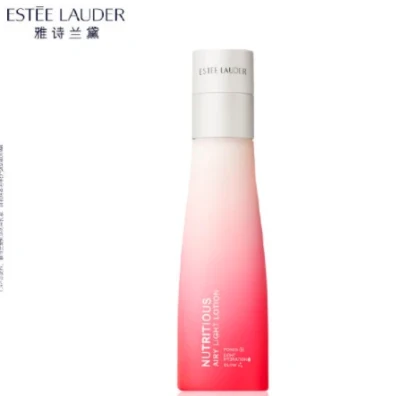
Estée Lauder's "Nutritious" (Pomegranate) line is one of the most successful application cases for punicalagin and related pomegranate extracts. The series features "Bio-converted Pomegranate," which is rich in polyphenols including punicalagin, claiming to help detoxify the skin, provide antioxidant benefits, and enhance skin radiance -2. In the product ingredient list, Punica Granatum Fruit Juice is explicitly listed as a key active ingredient. Combined with berry extracts, it establishes a whitening pathway that starts with antioxidant effects -3. |
What Are the Application Limitations and Stability Considerations?
To ensure that your product maximises the efficacy of punicalagin and maintains its stability throughout its shelf life, it is essential to understand its physicochemical properties and application limitations.
-
pH Sensitivity:
- Characteristics: The stability of Punicalagin is highly dependent on the pH of the formulation system. Numerous studies have shown that it is relatively stable in acidic environments (pH 3.5–6.0), whereas degradation accelerates in neutral to alkaline environments (pH ≥ 7.0). An increase in pH significantly accelerates its hydrolysis rate.
- Impact on Efficacy: Once degraded, punicalagin loses its tyrosinase-inhibiting and antioxidant activity, significantly reducing the product's skin-brightening and anti-ageing effects.
- Formulation Recommendations: It is strongly recommended that the pH of the final product be maintained between 4.0 and 5.5, as this not only aligns with the skin's naturally slightly acidic physiological environment but also represents the optimal stability range for punicalagin. Use buffering systems such as citric acid or sodium citrate to control and maintain the formulation's pH precisely. Strict monitoring of pH stability should be carried out during the product development phase.
-
Thermal Instability:
- Characteristics: Punicalagin is sensitive to high temperatures; prolonged exposure to or excessive temperatures can disrupt its complex molecular structure, leading to a loss of activity. Studies indicate that storage at low temperatures (e.g. 4°C) significantly preserves its activity.
- Impact on efficacy: Thermal degradation directly reduces product efficacy.
- Formulation Recommendations: During the manufacturing process, ensure that Punicalagin is incorporated into the formulation during the cooling phase (typically recommended below 40°C). Avoid exposing semi-finished or finished products containing Punicalagin to high temperatures for prolonged periods. It is recommended that finished products be stored in a cool, dark place. For high-concentration or ampoule-type products, refrigerated storage is recommended to achieve the best shelf life.
-
Photosensitivity:
- Characteristics: As a potent polyphenol, Punicalagin is sensitive to ultraviolet and visible light. Exposure to light catalyses oxidation and degradation.
- Impact on efficacy: Photodegradation not only renders the active ingredient ineffective but may also cause changes in product colour (e.g. yellowing or darkening).
- Formulation Recommendations: It is strongly recommended to use opaque packaging materials or those with UV-protective coatings, such as amber glass bottles, opaque tubes, or vacuum pump bottles, to protect the contents from light exposure. Light stabilisers or synergistic antioxidants (such as vitamin E or ferulic acid) can be added to the formulation to enhance the overall photostability of the system.
Why Are We the Trusted Expert in Natural Active Ingredients?
Selecting high-quality raw material suppliers is the cornerstone of product success. We not only provide highly effective active ingredients, but are also committed to being your trusted partner throughout the entire product development process.
History and Mission:
APPCHEM is a technology-driven enterprise specialising in the research, development, production and sale of high-purity natural plant extracts, with over 20 years of in-depth industry experience. Our mission is to "unlock nature through science and empower beauty through innovation", and we are dedicated to transforming natural ingredients, validated by modern science, into safe, effective and sustainable cosmetic solutions.
Leading R&D Capabilities:
- R&D Team: We have a professional R&D team comprising PhDs and Master's in fields such as phytochemistry, bioengineering and dermatology. The team maintains close collaboration with numerous renowned universities and research institutions both domestically and internationally, continuously exploring new functions and applications for plant-derived active ingredients.
- State-of-the-art Equipment: Our R&D centre is equipped with a range of cutting-edge analytical and testing instruments, including High-Performance Liquid Chromatography (HPLC), Liquid Chromatography-Mass Spectrometry (LC-MS) and Gas Chromatography (GC), ensuring precision and reliability at every stage-from raw material screening and process optimisation to efficacy validation.
[To learn more about our journey, please click here to visit our "Development History" page]
[To explore our innovation capabilities, please click here to visit our 'R&D and Innovation' page]

Excellence in Manufacturing:
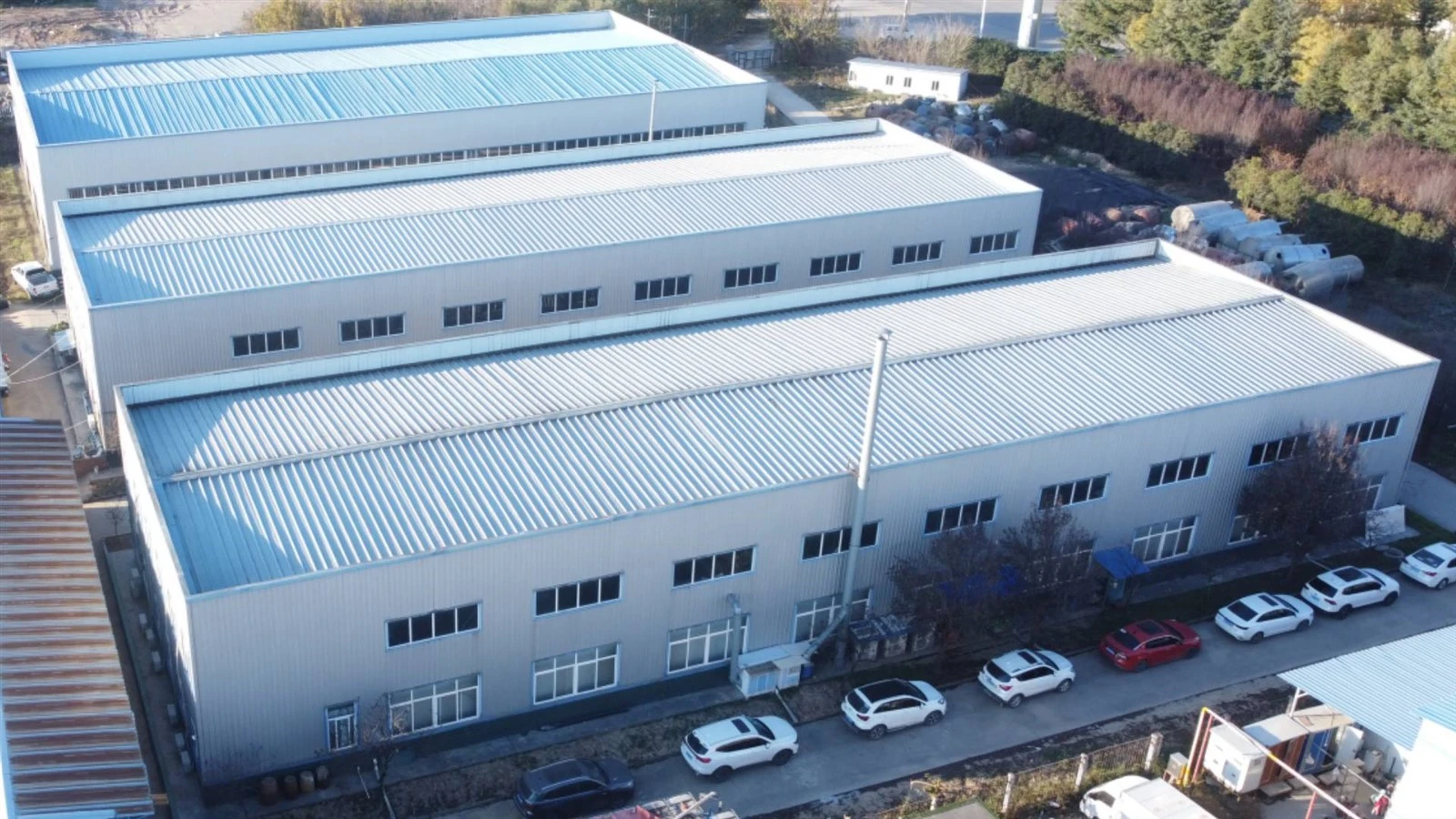
- Factory Environment: Our production facility has been designed and constructed in strict accordance with international high standards, featuring a Class 100,000 clean production workshop to ensure the manufacturing process remains free from contamination (Information synthesised from ISO concepts). We adhere to the principles of sustainable development, employing environmentally friendly extraction processes and establishing a comprehensive raw material traceability system.
- Quality Control: We have established a comprehensive quality management system spanning from the field to the finished product. Every batch of anthocyanin raw material must undergo rigorous testing, including but not limited to active ingredient content, heavy metals, pesticide residues and microbiological parameters, to ensure high product purity and safety.
Authoritative Certifications:
We fully recognise the importance of certification for B2B clients. Our production and management systems have obtained multiple internationally recognised certifications, including: ISO 9001 Quality Management System Certification, ISO 22000 Certification, and Kosher & Halal Certification, meeting the needs of markets with diverse cultural backgrounds. We believe that choosing us means selecting a long-term strategic partner with a robust R&D background, stringent quality standards and comprehensive service support. We look forward to working with you to jointly develop the next generation of beauty products that will lead market trends.
[To view our full certification portfolio, click here to visit our 'Certification' page]
Reference
[1]A. Azad, S. WanMohdAziziW. et al. "Efficacy of L. based cosmeceutical products in improving Punica granatum hydration and skin colour." (2016).
[2]M. Gil, F. Tomás-Barberán et al. "Antioxidant activity of pomegranate juice and its relationship with phenolic composition and processing." Journal of agricultural and food chemistry (2000).
[3]Xiaoling Wang, S. Heraud et al. "The Whitening Properties of the Mixture Composed of Pomegranate, Osmanthus and Olive and the Protective Effects Against Ultraviolet Deleterious Effects." Clinical, Cosmetic and Investigational Dermatology (2021).
[4]Chaoyan Ma, Pengchao Hao et al. "Ellagitannins From Pomegranate Flower With Whitening and Anti‐Skin Photoaging Effect." Chemistry & Biodiversity (2025).
[5]D. Syed, J. Chamcheu et al. "Pomegranate extracts and cancer prevention: molecular and cellular activities." Anti-cancer agents in medicinal chemistry (2013).
[6]Ru-feng Wang, Weidong Xie et al. "Bioactive compounds from the seeds of Punica granatum (pomegranate)." Journal of Natural Products (2004).
[7]I. Dini, S. Laneri. "The New Challenge of Green Cosmetics: Natural Food Ingredients for Cosmetic Formulations." Molecules (2021).


