

The market for natural sweeteners is still booming. The performance report for the first three quarters of 2022 released by Guilin Rhine Biotech shows that the natural sweetener business has developed rapidly. During the 22Q1-Q3 period, natural sweeteners achieved revenue of 616 million yuan, a year-on-year increase of 47%. In the third quarter alone, the natural sweetener business achieved revenue of 228 million yuan, a year-on-year increase of 48%.
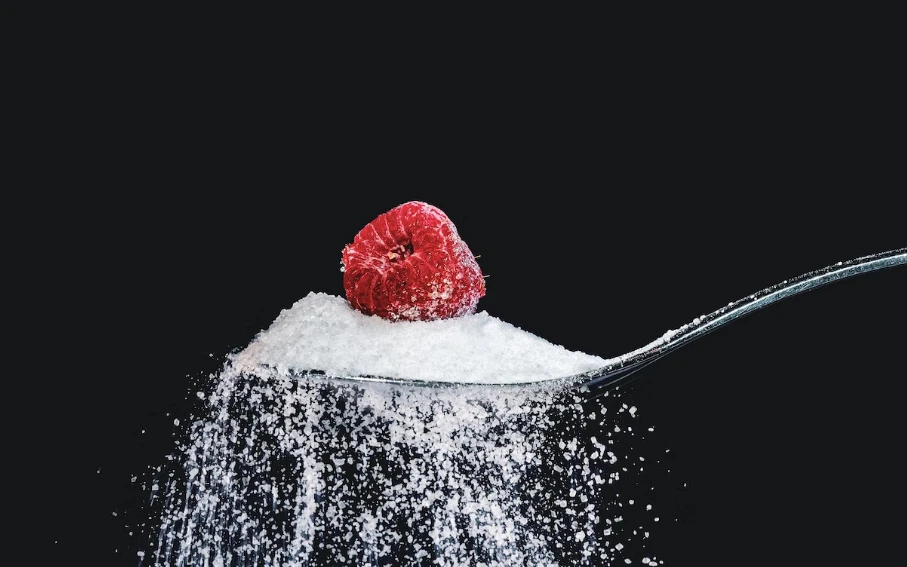
In line with the healthy and natural consumer demand, the natural sweetener market will usher in a new round of climax. According to IndustryARC, the natural sweeteners market size is expected to reach USD 4.1 billion in 2026, growing at a CAGR of 5.9% during the forecast period 2021-2026.
At present, what are the mainstream natural sweeteners in the world? What are the new moves in the natural sweetener market?
Erythritol
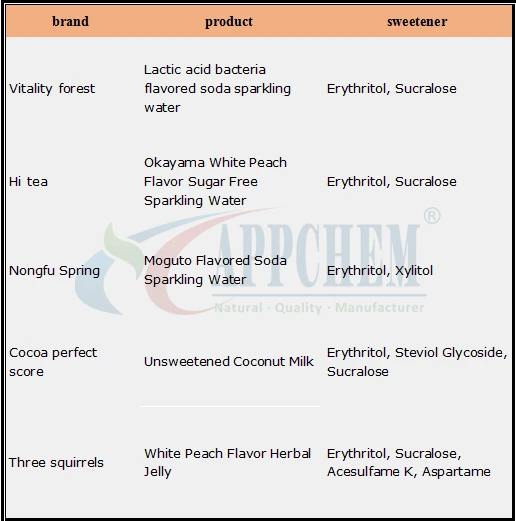
Erythritol is a four-carbon sugar alcohol that occurs naturally in lichens, algae, fruits, fungi, and fermented foods. Its sweetness is about 70%~80% of that of sucrose. Its consumption will not affect insulin or glucose levels. It is a safe sugar substitute for diabetic patients. Once erythritol is consumed, it will be quickly absorbed by the small intestine and then distributed to the In whole body, up to 90% of erythritol will be excreted in the urine unchanged. Compared with other sweeteners such as xylitol, erythritol has higher digestive tolerance. At present, food and beverages that claim "0 sugar" or "low sugar" on the market will use erythritol in combination with other sweeteners, such as sucralose, xylitol, steviol glycosides and other sweeteners.
Allulose
Allulose is a naturally occurring rare sugar found in figs, raisins, wheat, maple syrup and honey. Its sweetness is about 70% of that of sucrose, its calorie content is only 10% of that of sucrose, and its taste is similar to that of sucrose. Allulose is not metabolized in the mouth and therefore does not cause enamel erosion or promote the growth of oral bacteria associated with tooth decay.
When allulose is ingested within 24 hours, about 70% is absorbed by the small intestine, and finally excreted through urine; the remaining 30% leaves the body after passing through the large intestine within 48 hours, therefore, allulose Ketose does not increase blood sugar or insulin levels. Since allulose has no effect on blood sugar, it is often used in ketogenic diets. At present, allulose has passed the GRAS certification of the US FDA, and it has also been approved in Japan, Mexico, Singapore and South Korea, but it has not yet been approved in China and the European Union. In August 2021, the National Health and Medical Commission of China accepted the application of D-psicose as a new food raw material, and it is expected to pass approval within 1-3 years. The European Union is also expected to be approved in 2023.