

Phlorizin and berberine, two ingredients for blood sugar management with distinctly different mechanisms of action, are being widely utilised in the development of dietary supplements and functional foods. The former is derived from apple-related plants and focuses on the regulation of SGLT channels; the latter is derived from traditional Chinese medicinal herbs such as Coptis and Phellodendron, and focuses on multi-pathway metabolic regulation. For raw material procurement and formulation engineers, a systematic understanding of the differences between these two compounds is of significant importance for product differentiation and compliant development.
Phlorizin vs Berberine: Which Has a More Direct Mechanism?
From the perspective of its mechanism of action, phlorizin offers a more 'direct' pathway for blood sugar control. It primarily works by inhibiting sodium-glucose cotransporters (SGLT1 and SGLT2), thereby reducing intestinal glucose absorption and promoting renal glucose excretion. According to a 2023 study published in the Chinese Journal of Food Science, in high-sugar model animals, phlorizin significantly reduced postprandial blood glucose levels whilst improving insulin sensitivity; its mechanism of action is highly similar to that of modern SGLT2 inhibitors. Furthermore, a 2022 study in the Journal of Agricultural and Food Chemistry indicated that phlorizin also possesses antioxidant activity, capable of reducing oxidative stress damage induced by high sugar intake, thereby exerting a protective effect on pancreatic β-cells. This 'single-target + auxiliary protection' model provides a clearer functional profile, making it suitable for the development of products aimed at controlling postprandial blood glucose levels.
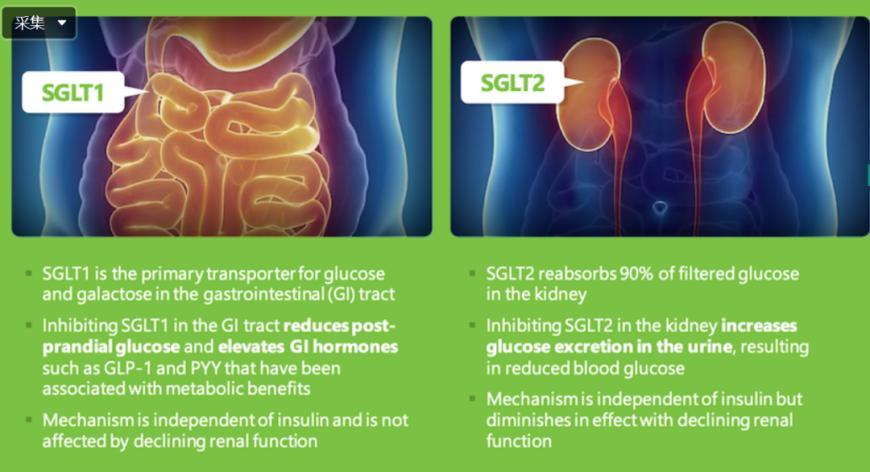
In contrast, berberine's mechanism of action is more complex. According to a 2021 review in Pharmacological Research, berberine exerts its hypoglycaemic effects through multiple pathways, including activation of the AMPK pathway, modulation of the gut microbiota, and inhibition of gluconeogenesis. Furthermore, a 2022 study in the Chinese Journal of Pharmacology demonstrated that berberine is highly effective in improving insulin resistance.
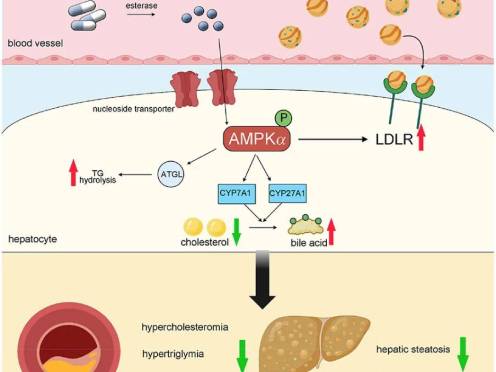
Overall, phlorizin is classified as a 'targeted pathway ingredient', whilst berberine is classified as a 'systemic regulatory ingredient'; the two exhibit distinct differences at the mechanistic level.
Phlorizin vs Berberine: Which Shows Stronger Clinical Evidence?
In terms of scientific evidence, there is a more extensive body of clinical research on berberine. According to a randomised controlled trial published in Metabolism in 2020, berberine significantly reduces fasting blood glucose and HbA1c levels in patients with type 2 diabetes, with effects that are, to some extent, comparable to those of first-line antidiabetic drugs. Furthermore, a 2022 review in Frontiers in Pharmacology also noted that berberine holds considerable potential for clinical application in the management of metabolic syndrome.
In contrast, research on phlorizin has primarily focused on in vitro and animal studies. According to data published in the Chinese Journal of Food Science in 2023, it demonstrates significant effects on postprandial blood glucose control in animal models; however, clinical data in humans remains relatively limited. This is also a limiting factor for its current commercial application. It should be noted, however, that as the 'natural prototype molecule' for the SGLT inhibition mechanism, phlorizin holds a significant place in the history of drug development. Consequently, its scientific rationale remains highly persuasive within the functional food sector.
For B2B clients, berberine offers a distinct advantage if the product requires strong clinical validation; conversely, phlorizin also holds potential if the emphasis is on innovation through natural mechanisms and product differentiation.
Phlorizin vs Berberine: Which Fits Better in Product Applications?
In actual product development, there are clear distinctions between the application scenarios of these two ingredients.
- Firstly, in terms of the target population:
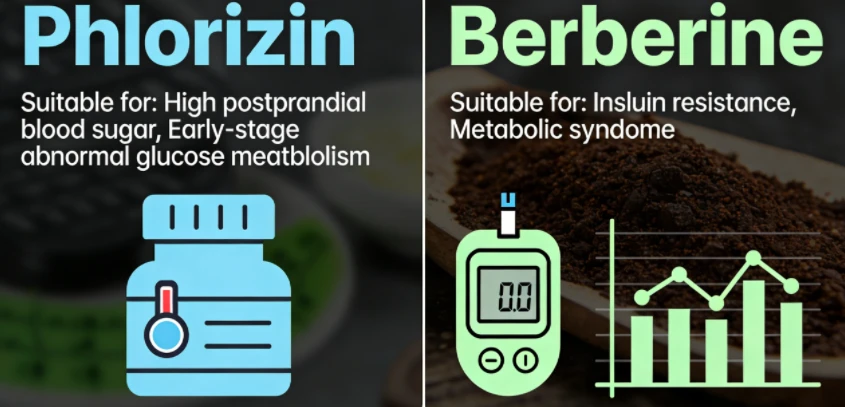
Phlorizin is more suitable for individuals with elevated postprandial blood glucose levels and early-stage abnormalities in glucose metabolism.
Berberine is more suitable for individuals with insulin resistance or metabolic syndrome.
- Secondly, in terms of product positioning:
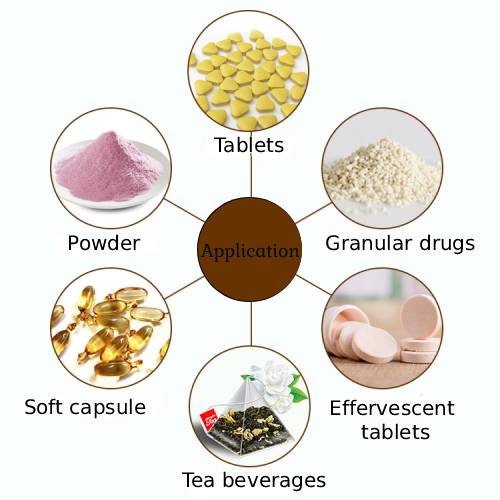
Phlorizin is suitable for the development of 'mildly functional blood sugar control products', such as functional drinks and meal replacement powders. Berberine is better suited to "intensive intervention products", such as capsule or tablet supplements. According to a 2022 study published in Nutrients, multi-pathway regulatory compounds offer greater advantages for long-term metabolic improvement, whilst single-target compounds are more targeted for short-term interventions. This also explains their differing market positioning.
- Furthermore, regarding formulation compatibility:
Phlorizin is often used in combination with mulberry leaf extract, bitter melon extract, and similar ingredients.
Berberine is frequently paired with alpha-lipoic acid, chromium, and similar ingredients.
From a cost perspective, berberine offers a clear price advantage due to its widespread raw material sources and mature extraction processes, whereas Phlorizin, as a relatively niche ingredient, is suitable for the development of high-end, differentiated products.
Phlorizin vs Berberine: Which Ingredient Should Buyers Choose?
For B2B procurement and brand developers, the choice of ingredient should be based on product positioning and market strategy.
If the objective is to develop high-end, differentiated blood sugar management products, Phlorizin is the more innovative choice. With its clear mechanism of action and novel concept, it helps establish brand recognition as a 'next-generation blood sugar management ingredient'.
If the objective is to develop mature, stable metabolic health products, berberine holds a distinct advantage. With its extensive clinical data and high market acceptance, Berberine facilitates rapid product commercialisation. It is worth noting that the current industry trend is moving towards 'blended solutions'. According to a 2023 study in Food & Function, multi-mechanism combinations can produce synergistic effects in blood glucose management. Therefore, combining Phlorizin with Berberine to create a dual-pathway product that 'inhibits absorption and improves metabolism' may become a key direction for the future.
Reference
[1]Pajor AM et al Inhibitor binding in the human renal low- and high-affinity Nat/glucose cotransporters. J Pharmacol ExpTher. 2008 Mar;324(3):985-91.
[2]Nakagawa A, et al. Localization of the phlorizin site on Na, K-ATPase in red cell membranes. J Biochem. 1977May;81(5):1511-5.
[3]Chang WT, et al. Evaluation of the anti-inflammatory effects of phloretin and phlorizin in lipopolysaccharide -stimulated mouse macrophages. Food Chem. 2012 Sep 15;134(2):972-9.
[4]Katsuda Y,et al. Contribution of hyperglycemia to diabetic complications in obese type 2 diabetic SDT fatty rats: effects of SGLT inhibitor phlorizin. Exp Anim. 2015;64(2):161-9.