

In daily life, apples are one of the most common fruits, but did you know that the active ingredients in apples have potential protective effects on the kidneys?
Kidney Health Status and Challenges
The kidneys, located behind our waist and shaped like broad beans, are one of the most important detoxification organs in the human body. It is not only responsible for filtering waste and excess fluids in the blood, but also maintains electrolyte balance and regulates blood pressure.
Chronic kidney disease (CKD) has become a serious public health issue worldwide, affecting over 10% of the adult population, and is one of the leading non-communicable causes of death in recent years.
More worrisome is that the incidence rate of CKD is on the rise due to the aging of the population and the increase in risk factors such as diabetes and hypertension. Natural products, especially plant extracts, have attracted widespread interest among researchers due to their multi-target effects and relatively high safety.
Bioactive Components Of Apple Extract
Apples, a widely consumed fruit worldwide, are rich in various bioactive compounds. These compounds have varying levels and compositions in different parts of apples, such as the flesh, skin, and even other parts of the apple tree. Through modern extraction techniques, we can obtain high concentrations of active ingredients from apples.
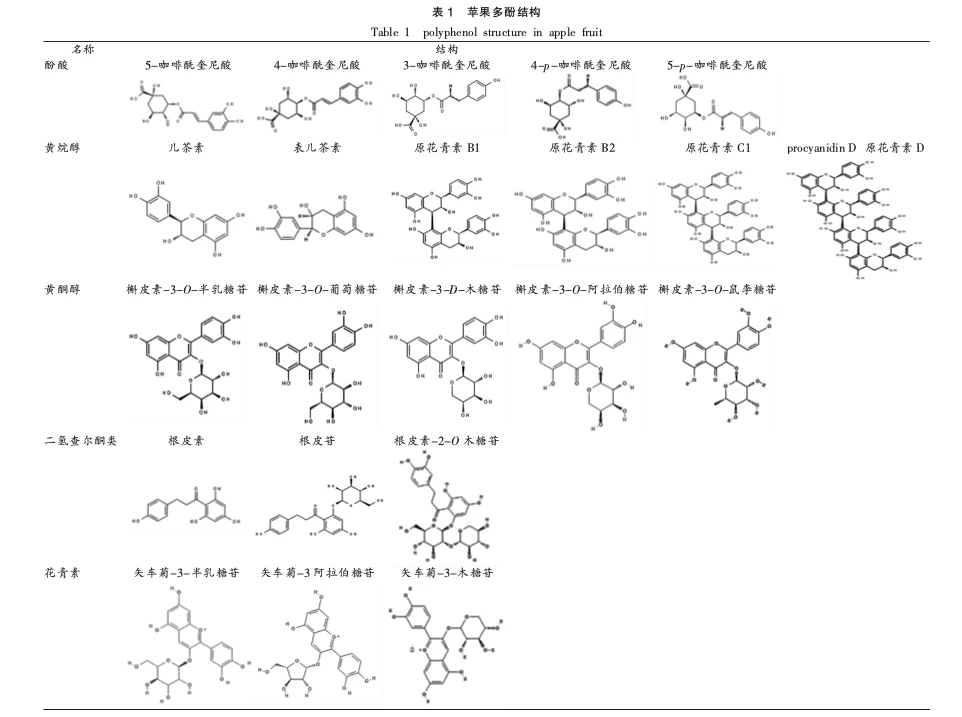
Apple extract mainly contains compounds such as polyphenols, flavonoids, and triterpenes. Polyphenols are one of the most biologically active components in apples, including resveratrol, puerarin, chlorogenic acid, epicatechin, and so on.
A study using supercritical CO2 extraction technology found that apple peel waste contains abundant polyphenols, anthocyanins, and ascorbic acid, showing particularly outstanding polyphenol content and biological activity. These active ingredients endow apple extract with powerful antioxidant and anti-inflammatory properties, which are the basis of its kidney-protective effect.
- Phloretin and its derivative Phloretamide (PLTM) in apple extracts have been shown to have significant antioxidant and hypoglycemic effects.
Scientific Evidence Of Apple Extract Protecting The Kidneys
In recent years, multiple studies have revealed the protective effects of apple extract on the kidneys, which are achieved through multiple mechanisms.
Improve renal function indicators
Improve renal function indicators
A study published in Future Nat Prod in 2023 specifically investigated the effects of cashew apple juice (Anacardium occidentale) on paracetamol-induced kidney injury in rats.
The study found that compared to the control group treated with only saline solution, rats treated with cashew apple juice had significantly reduced serum creatinine and urea levels.
Creatinine and urea are key indicators for measuring renal function, and their decrease indicates an improvement in renal filtration function. The study also found that the blood parameters (such as red blood cells, white blood cells, and platelets) of the apple juice treatment group were improved, further supporting its protective effect.
Reduce renal oxidative stress and inflammation
Oxidative stress and inflammation are two key factors leading to kidney damage. Research has shown that the active ingredients in apple extracts can effectively combat these two pathological processes.
One study showed that apple-derived phenolic compound phloramide significantly reduced the level of oxidative stress marker 8-OHdG in the kidneys of diabetic rats by activating the Nrf2/antioxidant pathway.
At the same time, it also reduces the levels of inflammatory factors NF-κβ, TNF-α, and IL-6, thereby alleviating renal inflammation.
Fight against renal fibrosis
Renal fibrosis is the ultimate common pathway for the development of various chronic kidney diseases, characterized by excessive accumulation of extracellular matrix, leading to the formation of kidney scars and loss of function.
Interestingly, research has found that resveratrol in apples can also indirectly affect kidney health by inhibiting the ERK1/ERK2 pathway, regulating various cellular processes.