

Among natural plant extracts that modulate the immune system, Astragalus Extract and Reishi Mushroom Extract stand as two traditional Chinese medicinal herbs with a long history of application and widespread use in the modern health industry. Both are termed "immune-modulating" ingredients, yet they exhibit significant differences in their mechanisms of action, clinical evidence, and suitable populations. For professional procurement and R&D personnel developing immune support products, a thorough understanding of the distinctions between these two ingredients facilitates more scientifically sound and precise product decisions.
How Do Their Active Compounds and Immune Mechanisms Differ?
- The core active constituents of Astragalus extract comprise Astragalus polysaccharides and Astragalosides. These components regulate the immune system by enhancing macrophage activity, promoting T-cell proliferation, and boosting antibody production. According to a 2021 study in Phytotherapy Research, Astragalus extract exhibits significant immunostimulatory effects in immunosuppressed states, finding particular application in chronic fatigue and immunodeficiency conditions. Its mechanism primarily involves increasing white blood cell counts and enhancing immune cell function, enabling the body to respond rapidly to external pathogens.
- The core active constituents of Reishi Mushroom Extract comprise polysaccharides (such as Ganoderma polysaccharides), triterpenoids, and organic acids. Ganoderma polysaccharides play a crucial role in immune regulation by modulating cytokine secretion, enhancing natural killer (NK) cell activity, and promoting antibody responses, thereby bolstering the body's immune defences. A 2020 study in the International Journal of Medicinal Mushrooms demonstrated that Ganoderma lucidum extract not only improves immune cell activity but also exhibits potential anti-tumour and antiviral properties, particularly showcasing unique advantages in anti-tumour immunity.
Therefore, from a mechanistic perspective, Astragalus membranaceus leans more towards "immune activation", while Ganoderma lucidum leans more towards "immune regulation and antiviral effects".
What Do Clinical Studies Say About Their Immune-Boosting Effects?
- From a clinical research perspective, Astragalus extract possesses substantial research support for its immune-enhancing properties. According to a 2021 study in the Journal of Clinical Immunology, Astragalus extract demonstrates favourable effects in bolstering both innate and adaptive immunity, exhibiting particularly notable performance in restoring immunity in cancer patients and managing immune decline in the elderly. Furthermore, its efficacy in restoring immunity among chronic fatigue syndrome (CFS) patients and intensive care unit (ICU) patients has been validated.

- Clinical research on Reishi Mushroom Extract has focused more on antiviral, antitumour, and anti-inflammatory properties. Ganoderma polysaccharides have been demonstrated to play a crucial role in regulating immune responses and antitumour immunity. According to a 2020 study in BMC Complementary Medicine and Therapies, Ganoderma lucidum polysaccharides enhance immune function by promoting T-cell activity and amplifying B-cell immune responses, demonstrating particular efficacy in antitumour effects and as an adjunct to chemotherapy for immune enhancement. Consequently, Reishi Mushroom Extract is suitable for use in immunotherapy and antiviral supplementation.
How Do Their Bioavailability and Formulation Considerations Compare?
- In terms of formulation and bioavailability, the polysaccharide components of Astragalus extract are relatively stable and are typically utilised in water-soluble extracts, rendering them well-suited for use in capsules, tablets, and liquid formulations. Astragalosides exhibit strong lipophilicity; their bioavailability is commonly enhanced through composite technologies such as liposome technology. A 2021 study in the Journal of Ethnopharmacology indicated that Astragalus extract exhibits high oral bioavailability, enabling rapid entry into the bloodstream to provide sustained immune support.
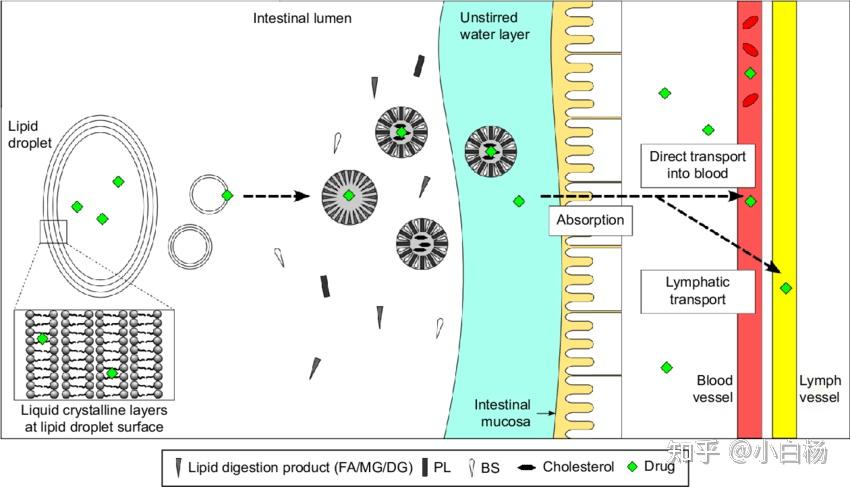
- Reishi Mushroom Extract, primarily composed of polysaccharides and triterpenes, possesses relatively low bioavailability. Absorption of triterpenoid components is particularly affected by gastrointestinal barriers. Consequently, Ganoderma lucidum extracts are typically formulated as alcohol extracts or liposoluble preparations to enhance bioavailability. In immune-enhancing formulations, common dosage forms include soft capsules, powders, and liquids, often combined with other immune-boosting ingredients to amplify immunomodulatory effects.
Conclusion: How Should Buyers Choose Between Astragalus and Reishi Extracts for Immune Products?
Overall, Astragalus extract and Reishi Mushroom Extract do not compete on the same level in immune regulation. Astragalus extract primarily enhances immune cell activity and supports immune recovery, demonstrating distinct advantages in chronic disease recovery, anti-ageing, and countering immune decline. Conversely, Ganoderma extract focuses more on antiviral and anti-tumour immunity alongside systemic immune regulation, making it particularly suitable for cancer adjuvant therapy and supporting immune dysfunction. For teams developing immune-modulating products, selecting which raw material to use should be based on precise positioning according to the target market, functional requirements, and clinical evidence. Even within the same product, complementary use of both ingredients can better meet consumer needs. If you wanna know more product info, feel free to contact our sales (Serrisha: cwj@appchem.cn).