

Among natural polyphenolic active compounds, curcumin and resveratrol have long commanded significant attention. Both have been extensively researched and applied in products targeting antioxidant, anti-inflammatory, cardiovascular health, and anti-ageing benefits. However, from perspectives of chemical structure, mechanism of action, bioavailability, safety, and market application logic, curcumin and resveratrol are not directly interchangeable raw materials. For professional procurement and product development personnel, understanding their differences facilitates more rational ingredient selection during functional positioning and product design phases.
How Do Their Antioxidant and Anti-Inflammatory Mechanisms Differ?
Although curcumin and resveratrol both belong to the class of polyphenolic compounds, their molecular structures and target sites exhibit significant differences.
- Curcumin, a diarylheptane compound extracted from the rhizome of turmeric (Curcuma longa), concentrates its core functions primarily on regulating anti-inflammatory pathways. According to a 2021 study in Biochemical Pharmacology, curcumin significantly reduces chronic inflammation by inhibiting inflammatory signalling pathways such as NF-κB, COX-2, and TNF-α. Its antioxidant effects are primarily manifested through "suppressing the root causes of oxidative stress" rather than merely scavenging free radicals.

- Resveratrol is a diphenyl ethylene polyphenol naturally occurring in grape skins, Polygonum cuspidatum, and other plants. Per a 2022 Journal of Nutritional Biochemistry study, resveratrol participates in cellular energy metabolism and mitochondrial function regulation by activating SIRT1 and AMPK pathways. Its antioxidant mechanism leans more towards delaying cellular ageing and regulating metabolic homeostasis.

Therefore, from a mechanistic perspective, curcumin exhibits more of an "inflammation-control type antioxidant", while resveratrol leans towards a "metabolic and ageing-regulation type antioxidant".
How Do Their Benefits Compare in Chronic Disease and Anti-Aging Applications?
In the context of chronic disease intervention and anti-ageing applications, curcumin and resveratrol exhibit distinct functional focuses.
- Curcumin possesses a relatively well-established application foundation in the domains of joint health, inflammation-related metabolic disorders, and gut health. A 2020 clinical review in Phytotherapy Research indicates curcumin delivers consistent efficacy in alleviating osteoarthritis pain and reducing inflammatory markers, making it particularly suitable for product lines centred on "chronic inflammation management".
- Resveratrol, conversely, is more frequently associated with cardiovascular health, metabolic syndrome, and anti-ageing research. A 2023 study in Nutrients demonstrated resveratrol's positive effects on improving insulin sensitivity, vascular endothelial function, and oxidative stress states, aligning its functional narrative more closely with "longevity science" and "cellular health".
Consequently, in practical application, curcumin tends towards products with clearly defined functions and symptom-oriented approaches, while resveratrol is better suited for systemic health management and anti-ageing concept products.
What Do Bioavailability and Safety Profiles Reveal?
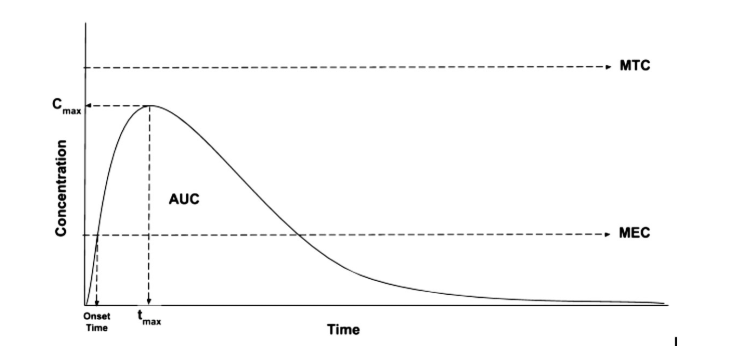
Bioavailability represents a key challenge for both curcumin and resveratrol.
- Curcumin itself exhibits poor water solubility and rapid metabolism, resulting in low in vivo absorption rates for standard formulations. According to 2021 data from Molecular Nutrition & Food Research, unmodified curcumin demonstrates extremely low oral bioavailability. Consequently, market solutions commonly employ piperine co-formulation, nanotechnology, or phospholipid complexes to enhance absorption efficiency.
- Resveratrol similarly faces rapid metabolism issues, though its smaller molecular size allows relatively faster absorption. A 2022 study in Clinical Nutrition indicates resveratrol rapidly converts to glucuronic acid conjugates in vivo, limiting its active duration. Consequently, product design often requires formulation or combination strategies to extend its therapeutic window.
Regarding safety, both compounds are generally safe within reasonable dosage ranges. The European Food Safety Authority (EFSA) notes that curcumin demonstrates good safety in food supplements, though individual variability warrants consideration for high-dose, long-term use. Resveratrol may cause mild gastrointestinal irritation at elevated doses, necessitating careful assessment for individuals taking anticoagulant medications.
How Do Global Market Positioning and Demand Differ?
From a global market perspective, the commercial logic underlying curcumin and resveratrol differs markedly.
- Demand for curcumin continues to grow in Asian and North American markets, with applications concentrated in joint health, inflammation management and sports nutrition. Procurement focuses more on high potency, stable supply and cost control.
- Resveratrol, meanwhile, holds a significant position within the premium nutritional supplement markets of Europe and North America. It is extensively utilised in anti-ageing, cardiovascular health, and "healthy ageing" products, with procurement decisions placing greater emphasis on sourcing compliance, purity, and scientific validation.
From a B2B perspective, curcumin leans towards being a "functionally defined, large-scale application ingredient", while resveratrol is more of a "high value-added, concept-driven ingredient".

Overall, curcumin and resveratrol do not represent competing functionalities with overlapping effects, but rather embody distinct pathways for health intervention. Curcumin is better suited for product systems targeting inflammation control, joint health, and functional improvement, whilst resveratrol aligns more closely with premium product lines emphasising cellular health, metabolic regulation, and anti-ageing concepts. For professional procurement and R&D teams, the key to selecting these polyphenolic ingredients lies in clearly defining the core functional claims of the product, combined with bioavailability solutions and target market preferences.
For more details about product info, connect with Serrisha from APPCHEM. (Email: cwj@appchem.cn; +86-138-0919-0407)
Reference
[1]Xiao-Yu Xu, Xiao Meng et al. "Bioactivity, Health Benefits, and Related Molecular Mechanisms of Curcumin: Current Progress, Challenges, and Perspectives." Nutrients (2018).
[2]B. Aggarwal, Anushree Kumar et al. "Anticancer potential of curcumin: preclinical and clinical studies." Anticancer research (2003).
[3]A. Mobasheri, Y. Henrotin et al. "Scientific Evidence and Rationale for the Development of Curcumin and Resveratrol as Nutraceuticals for Joint Health." International Journal of Molecular Sciences (2012).
[4]Subash C. Gupta, A. Kunnumakkara et al. "Inflammation, a Double-Edge Sword for Cancer and Other Age-Related Diseases." Frontiers in Immunology (2018).
[5]C. H. Imperador, C. B. Scarim et al. "Resveratrol and Curcumin for Chagas Disease Treatment-A Systematic Review." Pharmaceuticals (2022).