
Within the realm of plant extracts and functional nutritional ingredients, Ginseng Extract and Ginkgo Biloba Extract have long been regarded as the two primary ingredients representing "brain and energy support". Both belong to high-value traditional plant resources, yet they exhibit significant differences in the structure of their active components, mechanisms of action, target populations, and market positioning. For raw material procurement, product development, and brand positioning, a systematic understanding of these distinctions facilitates more precise ingredient selection and product functionality design.
How Do the Active Compounds of Ginkgo and Ginseng Differ?
From a chemical composition perspective, the active constituents of Ginkgo Biloba Extract differ entirely in structure from those of ginseng extract, which fundamentally accounts for their distinct functional properties.
- Ginkgo Biloba Extract is typically available as a standardised preparation, whose core active components comprise:
Flavone glycosides, generally standardised to 22%–27%
Terpene lactones, including ginkgolides A, B, C, and bilobalide, with a content of approximately 5%–7%.
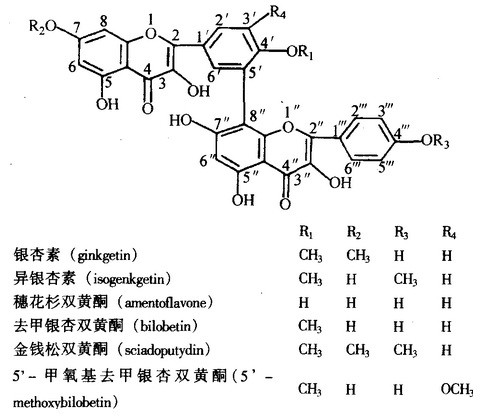
According to a 2021 review in the Journal of Ethnopharmacology, ginkgo flavones exhibit significant antioxidant capacity, while terpene lactones improve cerebral microcirculation by antagonising platelet-activating factor (PAF), thereby supporting cognitive and memory functions.
- The core active constituents in ginseng extract are ginsenosides, commonly including Rg1, Rb1, Re, and Rd. Research published in the Chinese Journal of Pharmacology in 2022 indicates that ginsenosides participate in energy metabolism, anti-fatigue effects, and neuromodulation by regulating the hypothalamic-pituitary-adrenal (HPA) axis.
- From a compositional perspective, Ginkgo biloba extract leans more towards vascular regulation + neuroprotection. Ginseng extract leans more towards energy metabolism + adaptogenic regulation.
How Do Their Indications and Functional Benefits Compare?
In terms of functional positioning, Ginkgo biloba extract and Ginseng extract do not operate on the same dimension regarding "energy and mental capacity".
- Ginkgo biloba extract is primarily indicated for:
- Cognitive decline
- Memory impairment
- Poor cerebral blood circulation
- Age-related neurodegenerative decline
According to a 2020 systematic review in Phytomedicine, Ginkgo biloba extract demonstrates statistically significant positive effects in improving mild cognitive impairment (MCI), particularly among middle-aged and elderly populations.

- Ginseng extract exhibits broader therapeutic applications, chiefly encompassing:
- Physical and mental fatigue
- Declining attention and work endurance
- Sub-health condition regulation
- Stress and immune function support
Clinical meta-analysis data from the 2023 Journal of Ginseng Research indicate that ginsenosides improve subjective fatigue scores, work efficiency, and reaction speed, with more pronounced effects in healthy adults and high-intensity workers. Brief comparison: Ginkgo biloba extract leans towards "specialised support for brain function." Ginseng leans towards "systemic enhancement of energy and tolerance."
What Do Clinical Studies Reveal About Their Efficacy?
From an evidence-based medicine perspective, there are also marked differences in the research directions and experimental models employed by the two. Clinical research on Ginkgo biloba extract has predominantly focused on:
- Cognitive impairment
- Adjunctive interventions for Alzheimer's disease
- Models of cerebral ischaemia
According to a 2019 meta-analysis published in the Cochrane Database of Systematic Reviews, standardised ginkgo extract may improve certain cognitive test metrics within specific dosage ranges, though efficacy is significantly influenced by trial duration and population variability. Clinical studies on ginseng extract, conversely, have centred more on:
- Anti-fatigue effects
- Mental performance
- Immune modulation
A 2022 randomised double-blind controlled trial published in Nutrients indicated that after 8 weeks of continuous ginseng extract supplementation, subjects demonstrated significantly superior subjective energy levels and sustained attention duration compared to the placebo group.
Overall, Clinical evidence for Ginkgo biloba extract is more concentrated on the nervous system. Clinical evidence for ginseng is more concentrated on overall functional status and fatigue management. Market trends and consumer preferences.
How Do Market Trends and Consumer Preferences Differ?
Within the global botanical extracts market, Ginkgo biloba extract and ginseng exhibit distinct commercial trajectories. According to data from the Global Botanical Extracts Market Report 2024, Ginkgo biloba extract predominantly serves European and Japanese markets, primarily utilised in pharmaceuticals and pharmaceutical-grade dietary supplements. Ginseng extracts demonstrate faster growth in Asian and North American markets, with applications spanning functional foods, energy supplements, and sports nutrition products.
- From a consumer perception perspective, Ginkgo biloba extract is more readily perceived as a "specialised, medically oriented ingredient". Ginseng possesses stronger cultural recognition and everyday consumption attributes.
- For B2B procurement and product development, Ginkgo biloba extract is better suited for cognitive health and ageing-related product lines. Ginseng is better suited for energy management, anti-fatigue, and comprehensive health product lines. There is no absolute conclusion that one is "stronger" than the other; rather, they differ in functional pathways and application scenarios.
Where a product's core claim centres on cerebral blood flow, memory, and cognitive support, ginkgo extract offers greater specificity.
Where a product emphasises vitality, resilience, and overall condition enhancement, ginseng extract holds greater advantage.
In practical product formulation, both are frequently combined in synergistic blends to deliver coordinated "mental acuity + energy" support. This trend continues to gain momentum within the functional foods and dietary supplements market.

For more details about product info, connect with Serrisha from APPCHEM. (Email: cwj@appchem.cn; +86-138-0919-0407)
Reference
[1]Ya-wei Lu,Ya-jun Wang,et al. Ginsenoside Rg2 alleviates astrocyte inflammation and ameliorates the permeability of the Alzheimer's disease-related blood-brain barrier. Phytomedicine.doi.org/10.1016/j.phymed.2024.156063
[2] Sandeep Kumar Singh, Saurabh Srivastav, et al. Neuroprotective and Antioxidant Effect of Ginkgo biloba Extract Against AD and Other Neurological Disorders. Neurotherapeutics. https://doi.org/10.1007/s13311-019-00767-8
[3] Ankit Parikh,Zhengnan Shan,et al. A NOVEL FORMULATION OF CURCUMIN FOR ALZHEIMER'S DISEASE (AD): IN VITRO AND IN VIVO EVALUATION. Alzheimer's & Dementia. https://doi.org/10.1016/j.jalz.2016.06.2114