

Arthritis, especially osteoarthritis (OA) and rheumatoid arthritis (RA), is one of the leading causes of pain and disability worldwide. With the increasing aging of the population and the growing interest of consumers in natural health solutions, the application of plant extracts in the field of joint health has attracted much attention. Apple, as one of the most common fruits in daily life, is gradually entering the field of research and industry due to its strong antioxidant and anti-inflammatory potential, which is rich in apple polyphenols.
The Challenge Of Arthritis And The Rise Of Natural Therapies
Arthritis is not a single disease, but a general term that encompasses over 100 different types of joint diseases.
1. Types: Among them, osteoarthritis (OA) is mainly characterized by degenerative changes and wear of articular cartilage, while rheumatoid arthritis (RA) is a chronic inflammatory disease related to the autoimmune system, which can lead to joint deformities and functional loss.
2. Method: Traditional treatment methods, such as nonsteroidal anti-inflammatory drugs (NSAIDs) and glucocorticoids, although effective in relieving symptoms, long-term use may be accompanied by gastrointestinal, cardiovascular, and other side effects.

Polyphenols, widely present in fruits, vegetables, tea, and other plants, have attracted much attention due to their antioxidant and anti-inflammatory properties. A systematic review has indicated that dietary polyphenols, such as those from green tea, pomegranate, turmeric, etc., have a positive effect on alleviating inflammation and symptoms of rheumatoid arthritis. In this context, can apple polyphenols, which are abundant in apples, become a "dark horse" in the joint health market?
Apple Polyphenols: Components, Mechanisms, And Scientific Hypotheses
Apple polyphenols are not single compounds, but complex compounds of various phenolic substances, mainly including anthocyanins (Procyanidins), flavonols (such as quercetin and its glycosides), phenolic acids (such as chlorogenic acid), and dihydrochalcones. These active ingredients work together to endow apple polyphenols with strong biological activity.
Based on the general understanding of the anti-inflammatory mechanism of polyphenolic substances, the scientific community's hypotheses on the intervention of apple polyphenols in arthritis mainly focus on the following aspects:
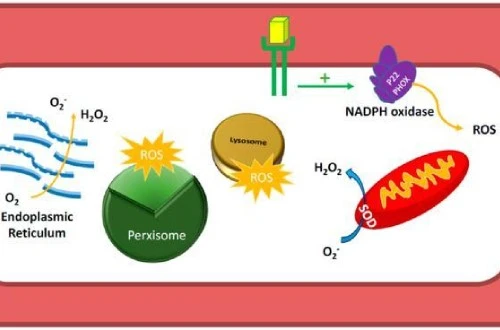
- Antioxidant effect: During the process of arthritis lesions, a large amount of reactive oxygen species (ROS) is produced in the joint cavity, leading to oxidative stress, exacerbating chondrocyte apoptosis and matrix degradation. Apple polyphenols, especially anthocyanins, have been proven to have excellent free radical scavenging ability and theoretically can alleviate oxidative damage to joint tissues.
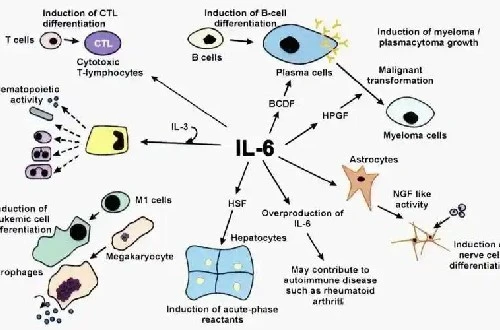
- Anti-inflammatory mechanism: Chronic inflammation is the core link driving the pathological process of arthritis. Research has shown that various polyphenols can exert their effects by inhibiting key inflammatory signaling pathways, such as nuclear factor kappa B (NF-κB) and mitogen-activated protein kinase (MAPK) pathways. Therefore, apple polyphenols may inhibit joint inflammation from the source by regulating these pathways.
Conclusion
Although apple polyphenols theoretically have great potential to alleviate arthritis, there is currently a relative lack of clinical and preclinical research evidence directly targeting their application in the field of arthritis. Although there are some clinical studies on the efficacy of other polyphenols (such as curcumin, green tea polyphenols, and pomegranate extract) in treating arthritis. There is even a systematic review and meta-analysis on the effects of dietary polyphenols on rheumatoid arthritis. But the results of these studies cannot be directly extrapolated to apple polyphenols. Polyphenols from different sources have different chemical structures, bioavailability, and mechanisms of action.
Returning to the original question: "Are apple polyphenols beneficial for arthritis?" Based on current scientific evidence, our answer is: theoretically feasible and has great potential, but clinical evidence is severely lacking. For practitioners in the plant extract industry, this means that apple polyphenols are a blue ocean market full of opportunities, but also accompanied by huge challenges in the field of joint health.
For more details about apple polyphenols, connect with Serrisha from APPCHEM. (Email: cwj@appchem.cn; +86-138-0919-0407)
Reference
[1]Nutrition Evidence Issue 7: May 2025 - Polyphenols. British Association for Nutrition & Lifestyle Medicine (BANT). [2025-05]
[2]Recent Developments in Osteoarthritis Research: Innovative Therapeutic Approaches and the Role of Polyphenols and Nanotechnology. Humberto Vélez-Slimani et al. [2025-09-13]
[3]Hani M. J. Khojah, Sameh A. Ahmed et al. "Resveratrol as an effective adjuvant therapy in the management of rheumatoid arthritis: a clinical study." Clinical Rheumatology (2018). [2018-04-03]
[4]M. Rosillo, M. Alcaraz et al. "Anti-inflammatory and joint protective effects of extra-virgin olive-oil polyphenol extract in experimental arthritis." The Journal of Nutritional Biochemistry (2014). [2014-12-01]
[5]M. Neog, Samuel Joshua Pragasam et al. "p‐Coumaric acid, a dietary polyphenol, ameliorates inflammation and curtails cartilage and bone erosion in the rheumatoid arthritis rat model." BioFactors (2017).[2017-09-10]