

Thai fishermen found a piece of "whale vomit" - ambergris - that washed ashore on the beach, weighing 220 pounds (100 kilograms), and was worth as much as $2.8 million.
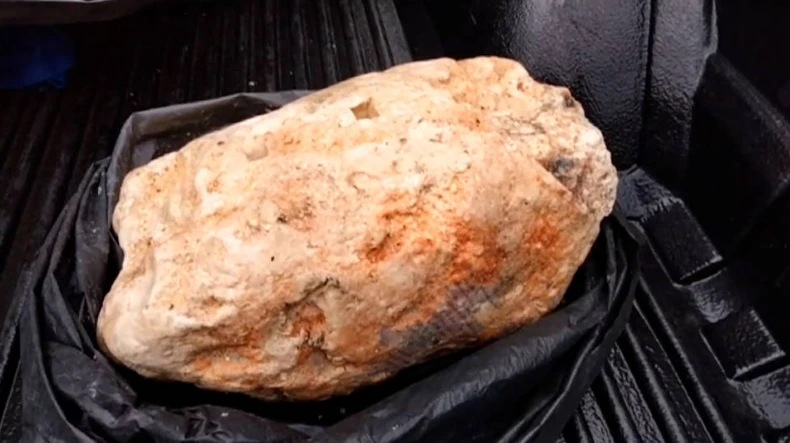
Ambergris is a kind of animal spice. It is also known as the four major animal spices together with musk, civet, and sea lily. It is known as ocean treasure and floating gold. Amber"), a dark gray or black solid, waxy, flammable substance with its own characteristic sweet, earthy aroma (like that of isopropanol). The essence of ambergris is the dry product of the intestinal secretions of sperm whales. Some sperm whales will spit it out, and some will excrete it from the intestines. Only a small number of sperm whales keep it in their bodies. The ambergris discharged into the sea is light black at first, and gradually turns gray, light gray, and finally white under the action of seawater. Since the beginning of this century, ambergris has been made into tinctures, mainly for the preparation of perfumes.
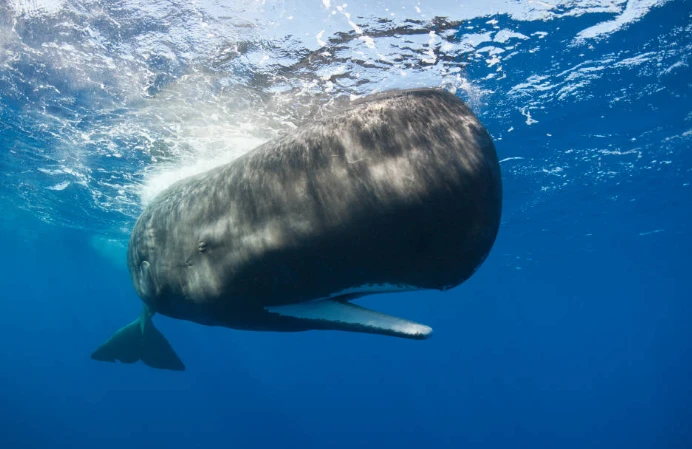
The first country in the world to discover ambergris was ancient China. In the Han Dynasty, fishermen caught some off-white waxy drifts in the sea, which are the finished ambergris after years of natural denaturation. From a few kilograms to tens of kilograms, it has a strong fishy smell, but it can emit a long-lasting fragrance after drying, and it is even more fragrant when lit, more fragrant than musk. Some local officials contributed to the emperor as treasures after purchasing and using them as spices or medicines in the court.
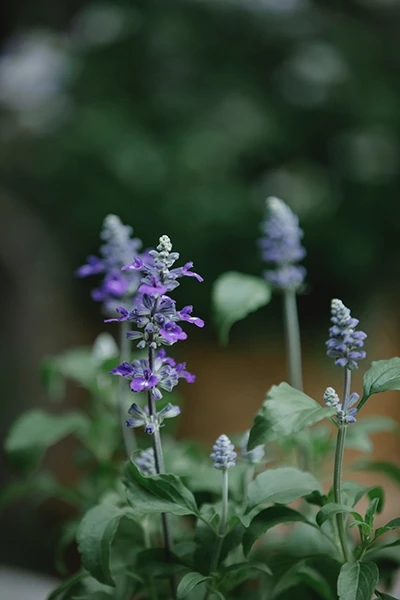
In 1985, the International Whale Council signed a memorandum banning commercial whaling to protect the species, sources of ambergris became increasingly rare, and a lot of research was done on its main ingredients. The research found that the substitute of natural ambergris——Ambroxan(Ambroxide), can be obtained through oxidation, reduction, and cyclization of Sclareol extracted from Salvia sclarca, which is rich in sources.
China has abundant Sclareus plant resources, and from wild development to artificial planting, BON (APPCHEM) has resource advantages and technologies in the Sclareus-Slareol-Sclereolactone-Ambrox industrial chain Reserves and product supply are mostly used in the perfume industry and the tobacco industry.