


What Is Anticancer Ingredients Glucoraphanin Powder?
Glucoraphanin, a natural glucosinolate compound, is primarily found in the seeds and young shoots of cruciferous plants such as broccoli (Brassica oleracea) and cauliflower, and is a valuable natural health treasure. 'RAA' is a common industry abbreviation or alternative name for glucoraphanin, rather than a specific reference to a unique quality standard or production process. Our glucoraphanin RAA powder is a standardised extract, meticulously prepared using cutting-edge extraction and purification technologies from high-quality broccoli seeds sourced from our own plantations. Compared to consuming broccoli directly, our raw powder offers a high concentration, high purity, and precisely dosed active ingredient, providing unparalleled convenience and reliability for the development of downstream products. We offer a wide range of powder specifications, from standardised 1%, 10%, 13%, and 20% to over 99%, to meet your diverse application needs, ranging from mass-market health foods to cutting-edge pharmaceutical research.

Strategic Positioning: Targeting the Pharmaceutical and High-End Dietary Supplement Markets
Given its unique scientific mechanisms and application advantages, APPCHEM has strategically positioned glucoraphanin (RAA) powder for the following two core markets:
1. Pharmaceutical Sector
- Oncology research and new drug development: The high-purity glucoraphanin powder we supply can serve as a reference standard or active pharmaceutical ingredient (API) candidate for preclinical research, cellular experiments, animal model development, and Phase I and II clinical trials.
- Adjuvant Therapy and Synergistic Efficacy/Toxicity Mitigation: The development of adjuvant therapeutic drugs or medical foods with glucoraphanin as the core ingredient addresses clear clinical needs and offers broad prospects.
2. Dietary Supplement Sector
- Liver health and efficient detoxification: In today's world of increasing environmental pollution and mounting life pressures, there is a strong market demand for dietary supplements targeting liver health and detoxification; sulforaphane provides robust scientific backing for such products.
- Chronic Disease Risk Management: With potent dual anti-inflammatory and antioxidant properties, glucoraphanin serves as a functional ingredient for the prevention and management of chronic disease risks, with applications in precision nutrition solutions for specific health concerns (such as prostate health and metabolic syndrome management).
In summary, glucoraphanin (RAA) powder, with its unique advantage of being a 'stable precursor activated in vivo' and a solid scientific foundation, is becoming a vital bridge connecting cutting-edge medical research with the mass health consumer market. It represents an ideal strategic choice for developing the next generation of innovative pharmaceutical products and premium dietary supplements.
What Are the Key Benefits and Scientific Mechanisms of Action?
The biological functions of sulforaphane are primarily realised through its metabolic product in the body, sulforaphane. Its mechanism of action is complex and multifaceted, involving multiple levels such as cellular defence, apoptosis, inflammation and epigenetics.
2.1 Activation of the Body's Endogenous Detoxification and Antioxidant Defence Systems
This is the most fundamental and extensively studied mechanism of action of sulforaphane.
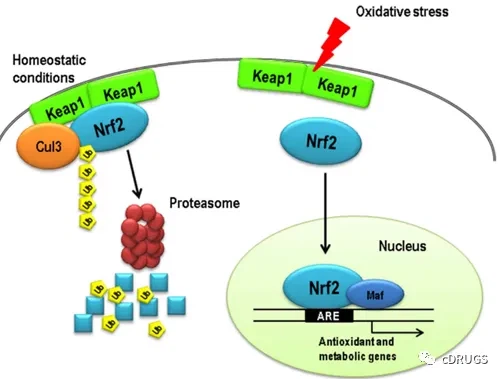
- A Potent Activator of the Nrf2 Signalling Pathway: Sulforaphane is currently recognised as one of the most potent natural activators of Nrf2 (Nuclear Factor E2-related factor 2). Nrf2 acts as the master switch for intracellular antioxidant stress responses. Under normal conditions, Nrf2 binds to Keap1 and remains inactive. Upon entering the cell, sulforaphane modifies cysteine residues on Keap1, causing Nrf2 to dissociate from Keap1 and translocate into the nucleus.
- Enhancing the activity of Phase II detoxification enzymes: These activated enzymes, such as glutathione S-transferases (GSTs) and nicotinamide quinone oxidoreductase 1 (NQO1), are capable of catalysing the binding and transformation of various exogenous (e.g. environmental pollutants, carcinogens) and endogenous (e.g. oxidative metabolites) toxic substances, increasing their water solubility and thereby facilitating their rapid excretion from the body. This mechanism is considered a key step in its anti-cancer action, effectively 'disarming' carcinogens before they can damage cellular DNA.
2.2 Direct Anti-tumour and Cancer Chemoprevention Mechanisms
In addition to indirectly preventing cancer by enhancing detoxification, sulforaphane also exerts multiple inhibitory effects on tumour cells.

- Induction of cancer cell apoptosis: Numerous studies have shown that sulforaphane can act on multiple signalling pathways in cancer cells, such as downregulating anti-apoptotic proteins (e.g. Bcl-2), upregulating pro-apoptotic proteins (e.g. Bax), and activating the caspase protease family, ultimately leading cancer cells towards programmed cell death.
- Cell cycle arrest: Sulforaphane can arrest the proliferation of cancer cells in the G2/M or G1 phase, thereby preventing their uncontrolled proliferation. This effect is associated with its regulation of cyclin and cyclin-dependent kinase (CDK) expression.
2.3 Regulation of inflammatory responses and the immune system.
Chronic inflammation is a key driver of cancer development. Sulforaphane exhibits potent anti-inflammatory properties.
- Inhibition of the NF-κB pathway: NF-κB is a central regulator of the inflammatory response. Sulforaphane inhibits NF-κB activation, thereby significantly reducing the production of downstream pro-inflammatory cytokines, such as tumour necrosis factor-α (TNF-α), interleukin-6 (IL-6) and interleukin-1β.
- Modulation of Immune Cell Function: By mitigating the inflammatory environment, sulforaphane may indirectly modulate immune cell function, creating favourable conditions for the immune system to recognise and eliminate cancer cells more effectively.
What Are the Market Applications, Innovative Formulations, and Formulation Examples?
3.1 Detailed Description of Core Application Areas
Our glucoraphanin (RAA) powder, with its well-established scientific mechanism and excellent stability, can be widely applied across the following market segments, perfectly aligning with your product positioning.
- Dietary Supplements
This is currently the primary and most established application market for glucoraphanin. Product forms typically include hard capsules or tabletised lozenges, each providing a standardised dose of glucoraphanin (e.g. 10–50 mg). Such products are generally positioned as premium offerings, emphasising scientific validation and high bioavailability. Formulated products:
① Liver health formulations: Combining sulforaphane with classic liver-protective ingredients such as milk thistle, artichoke extract and N-acetylcysteine (NAC) to create synergistic effects, providing a comprehensive solution for those who drink alcohol regularly, work late into the night or are concerned about their liver health.
② Anti-ageing and Mitochondrial Health Formulation: Combined with ingredients such as resveratrol, coenzyme Q10 (CoQ10), PQQ and ergothioneine, this creates a comprehensive cellular-level anti-ageing product that targets multiple pathways-including the activation of Nrf2 and sirtuins-to slow the ageing process.
③ Immune and Inflammation Balance Formula: Combining curcumin, vitamin C, zinc and selenium, this formula creates a complex product that supports immune system health and regulates inflammatory responses, making it particularly suitable for those under high stress or with compromised immunity.
④ Men's Health Formula (with a focus on prostate health): Given research exploring the potential of sulforaphane in prostate cancer prevention, it can be combined with saw palmetto, lycopene and pumpkin seed extract to develop a prostate health supplement tailored for middle-aged men.
- Functional Foods & Beverages
As consumers increasingly embrace the concept of 'nutritional wellness', incorporating sulforaphane into daily diets has become a major trend.

①Functional Powders/Meal Replacement Powders: Adding sulphoraphane powder (typically in lower concentrations such as 1%–13%) to protein powders, green juice powders, and meal replacement shakes imparts additional detoxifying and antioxidant properties to the products, meeting the needs of those engaged in fitness, weight loss and healthy lifestyles.
②Health Drinks: Develop ready-to-drink (RTD) functional beverages or concentrates. For example, developing a 'broccoli seed essence drink', or adding it to health drinks such as kombucha or fruit and vegetable juices. It should be noted that, due to the stability issues associated with sulforaphane (see Section 5), beverage formulations must be carefully designed, such as by utilising a pH environment conducive to stability, light-resistant packaging, and, possibly, the addition of myrosinase to ensure conversion efficiency.
③Fortified Foods: Incorporating microencapsulated or specially treated sulforaphane powder into energy bars, health snacks or baked goods. For example, there are already cases on the market of "Brassica Tea" containing sulforaphane.
- Pharmaceutical R&D & Clinical Nutrition
①Raw materials for clinical trials: Supply high-purity, traceable sulforaphane raw materials that meet clinical research standards to research institutions and pharmaceutical companies conducting studies on cancer chemoprevention, adjuvant therapy, or interventions for specific chronic diseases.
②Foods for Special Medical Purposes (FSMP): Develop specialised medical nutritional products for cancer patients, patients with liver disease, or individuals requiring potent antioxidant interventions, to form part of their nutritional support regimens.
3.2 Market Success Case Study
Truebroc® A prime example of market success is the sulforaphane derivative produced by Brassica Protection Products (BPP). This ingredient was the first sulforaphane component derived from broccoli to receive GRAS (Generally Recognised as Safe) certification from the US FDA. This certification has significantly enhanced its market credibility and regulatory compliance, leading to its widespread use in dietary supplements from numerous well-known brands in the US and globally, such as EnduraCell, Jarrow Formulas and Thorne Research. The success of these health products demonstrates the effectiveness of market promotion underpinned by robust scientific research and authoritative regulatory certification, setting a benchmark for the industry.

Why Are We Your Trusted Global Supplier of Glucoraphanin?
Choosing us means choosing a long-term strategic partner that combines professionalism, quality and reliability.
- History and Vision: Founded in 2006, APPCHEM has specialised in plant bioactive compounds for over 20 years. We remain committed to 'driving innovation through science and safeguarding health through quality', and aspire to become a world-leading supplier of functional ingredients based on evidence-based medicine(www.bonnaturallife.com).
- R&D Capabilities: We boast an elite R&D team led by PhDs and Master's holders, equipped with state-of-the-art analytical and R&D instruments, including High-Performance Liquid Chromatography (HPLC), Liquid Chromatography-Mass Spectrometry (LC-MS), and Nuclear Magnetic Resonance (NMR) spectrometers. We not only ensure product quality but also provide clients with value-added technical support, including formulation development, stability testing, and mechanism studies.
[To explore our innovation capabilities, please click here to visit our 'R&D and Innovation' page]

- Production Environment and Quality Systems: Our production facilities are constructed and managed in strict accordance with international standards and have obtained multiple authoritative international certifications, including GMP, FSSC 22000, ISO 22000 and ISO 9001. From the arrival of raw materials to the dispatch of finished products, every stage is subject to rigorous quality control to ensure product safety and purity.
[To view our full certification portfolio, click here to visit our 'Certification' page]
- Vertically Integrated Supply Chain: We have achieved end-to-end control from 'seed to finished product'. We operate our own broccoli cultivation bases in the most suitable climatic regions, eliminating pesticide residues and heavy metal contamination at source, thereby guaranteeing the highest quality and a stable supply of raw materials.
- Expert Team: Our team comprises not only leading scientists and engineers, but also experienced regulatory experts and market analysts. We offer comprehensive services ranging from product development and regulatory compliance to market insights, helping you gain a competitive edge in the global market.
What Are the Frequently Asked Questions?
Q1: Does the 'RAA' in your product name have any specific meaning?
A1: 'RAA' is a common abbreviation or alternative name for glucoraphanin within the industry; it does not denote a specific quality grade or manufacturing process. The quality of our products is defined by detailed Certificates of Analysis (COA), and you may select products with varying purities and specifications to meet your requirements.
Q2: What is the difference between glucoraphanin and sulforaphane? Which one should I choose?
A2: Glucoraphanin is a stable precursor to sulforaphane. Sulforaphane is the molecule that ultimately exhibits biological activity, but it is extremely unstable and unsuitable for commercial applications. Glucoraphanin, on the other hand, is highly stable, easy to store and formulate, and can be efficiently converted into sulforaphane within the body after ingestion. Therefore, for product development, choosing glucoraphanin is the only practical and sensible option.
Q3: What are the recommended storage conditions and shelf life for the product?
A3: We strongly recommend storing RAA powder in a frozen, light-protected, sealed environment at -20°C or below. Under these conditions, the product has a shelf life of up to 2 years. Please avoid prolonged storage at room temperature.
Q4: The product I am developing is primarily intended for the US market. Is the use of your raw material compliant?
A4: Yes. Similar broccoli-derived sulforaphane components have already received a GRAS (Generally Recognised as Safe) letter from the FDA for the US market, providing a solid regulatory foundation for the sale of products containing this ingredient as dietary supplements or foodstuffs in the US. Our product is consistent with this GRAS ingredient in terms of source and properties and meets the compliance requirements of the US market.
Q5: How can the issue of glucoraphanin's instability in gastric acid within oral products be addressed?
A5: The optimal solution is to employ enteric coating technology. Our glucoraphanin powder can be encapsulated in enteric-coated capsules or formulated into enteric-coated tablets. This protects the active ingredient from degradation by gastric acid, ensuring it reaches the small intestine intact, thereby maximising absorption and bioavailability.
Reference
[1]Yuesheng Zhang, P. Talalay et al. "A major inducer of anticarcinogenic protective enzymes from broccoli: isolation and elucidation of structure." Proceedings of the National Academy of Sciences of the United States of America (1992).
[2]J. Fahey, Yuesheng Zhang et al. "Broccoli sprouts: an exceptionally rich source of inducers of enzymes that protect against chemical carcinogens." Proceedings of the National Academy of Sciences of the United States of America (1997).
[3]R. M. Bheemreddy, E. Jeffery. "The metabolic fate of purified glucoraphanin in F344 rats." Journal of agricultural and food chemistry (2007).
[4]M. Bakker, A. Hearty et al. "Guidance of EFSA: Use of the EFSA Comprehensive European Food Consumption Database in exposure assessment." EFSA Journal (2011).
[5]L. West, K. Meyer et al. "Glucoraphanin and 4-hydroxyglucobrassicin contents in seeds of 59 cultivars of broccoli, raab, kohlrabi, radish, cauliflower, brussels sprouts, kale, and cabbage." Journal of agricultural and food chemistry (2004).
[6]J. Fahey, X. Haristoy et al. "Sulforaphane inhibits extracellular, intracellular, and antibiotic-resistant strains of Helicobacter pylori and prevents benzo[a]pyrene-induced stomach tumours." Proceedings of the National Academy of Sciences of the United States of America (2002).
[7]A. Bones, J. Rossiter. "The enzymic and chemically induced decomposition of glucosinolates." Phytochemistry (2006).
[8]J. Fahey, Amy T. Zalcmann et al. "The chemical diversity and distribution of glucosinolates and isothiocyanates among plants." Phytochemistry (2001).


