

Do Botanical Origins Shape Polyphenol Composition and Effects?
Apple polyphenols and lychee polyphenols both originate from plants and possess significant antioxidant properties, though their chemical composition and biological activity differ considerably.
- Apple polyphenols are primarily derived from the skin, flesh, and seeds of apples, with the most important components including oligomeric proanthocyanidins (OPCs), epicatechin, and chlorogenic acid. According to a 2023 study in Food Chemistry, the antioxidant efficacy of apple polyphenols primarily stems from oligomeric proanthocyanidins, which play a crucial role in anti-ageing, anti-inflammatory effects, and cardiovascular health.
- Lychee polyphenols are chiefly extracted from the peel, flesh, and seeds of the lychee fruit. Their principal active constituents comprise litchi polyphenols, flavonoids, and other phenolic acids. Research published in the Journal of Agricultural and Food Chemistry in 2022 indicates that lychee polyphenols exhibit potent antioxidant, anti-inflammatory, and anti-tumour properties, demonstrating particularly significant effects in preventing cellular oxidative damage and improving metabolic health.
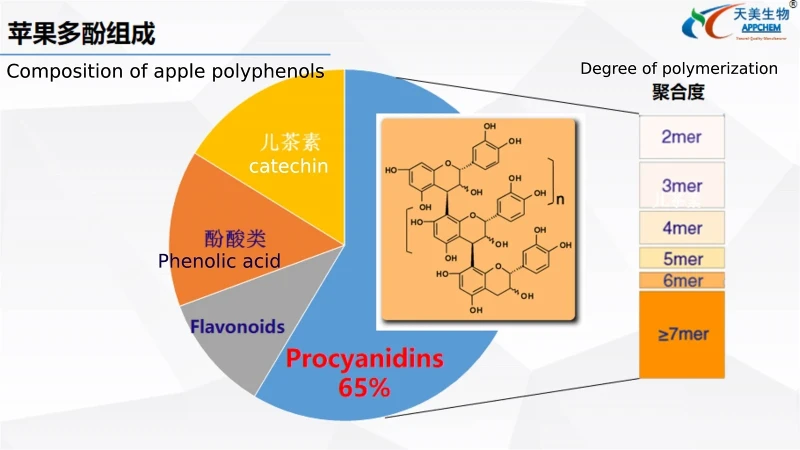
From a chemical composition perspective, apple polyphenols are predominantly oligomeric proanthocyanidins, primarily exerting effects in antioxidant activity and cardiovascular health. In contrast, lychee polyphenols, beyond their antioxidant functions, demonstrate broad application potential in anti-tumour, anti-inflammatory, and metabolic regulation. The botanical origins and functional differences between the two determine their distinct market positioning.
Do Extraction Methods Affect Polyphenol Yield and Product Stability?
The extraction methods for apple polyphenols and lychee polyphenols differ significantly, directly impacting their recovery rates, active ingredient stability, and the consistency of the final product.
- Apple polyphenols are typically extracted using hydroalcoholic extraction or ultrasonic-assisted extraction, combined with resin purification techniques to enhance recovery rates. According to a 2021 study in Food Science and Technology, recovery rates for apple polyphenols generally range between 65% and 75%. However, the extraction process is susceptible to temperature fluctuations and oxygen exposure, necessitating strict control of extraction conditions to prevent degradation of active components.
- Lychee polyphenol extraction commonly employs hydroalcoholic extraction or supercritical fluid extraction techniques, often combined with freeze-drying or low-temperature concentration methods to improve recovery rates. According to a 2022 study in Phytochemistry, lychee polyphenol recovery rates can exceed 80%. Its active components demonstrate exceptional stability, particularly lychee phenolic compounds, which undergo no significant degradation during extraction. Consequently, lychee polyphenol extraction processes exhibit superior stability, rendering them well-suited for industrial-scale production.
Overall, lychee polyphenols demonstrate superior stability during extraction compared to apple polyphenols, particularly exhibiting lower requirements for temperature and oxidation control. This confers a distinct advantage for lychee polyphenols in product development.
Do Functional Applications Differ Across Nutraceutical and Food Markets?
Apple polyphenols and lychee polyphenols each possess distinct advantages in their respective application domains within the functional market.
- Apple polyphenols are primarily utilised in functional foods and dietary supplements targeting antioxidant properties, anti-ageing effects, and cardiovascular health. According to a 2023 study in Nutrients, apple polyphenols can enhance the immune system by reducing free radical generation and boosting antioxidant enzyme activity, thereby promoting vascular health and lowering cardiovascular disease risk.
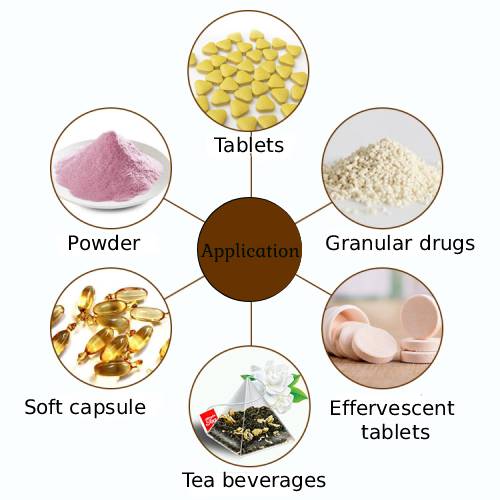
- Lychee polyphenols demonstrate significant potential in antioxidant, anti-tumour, and metabolic health applications. A 2022 study in the Journal of Nutritional Biochemistry indicates that lychee polyphenols, particularly lycheenol, inhibit cancer cell growth, slow ageing processes, and regulate blood glucose levels. Furthermore, their anti-inflammatory properties aid metabolic health by preventing chronic conditions such as obesity and diabetes.
Consequently, apple polyphenols are more suitable for application in everyday health foods and functional beverages, particularly for antioxidant and cardiovascular protection. Conversely, lychee polyphenols possess distinct advantages in anti-tumour, anti-inflammatory, and metabolic regulation, making them ideal for specialised dietary supplements and health management products.
Conclusion: How Do Polyphenol Sources Impact Functional Product Development?
Overall, apple polyphenols and lychee polyphenols each possess distinctive applications within the functional food market. Apple polyphenols exhibit broad-spectrum antioxidant properties, making them suitable for daily health products targeting anti-ageing, immune regulation, and cardiovascular health. Conversely, lychee polyphenols are more frequently utilised in anti-tumour, anti-inflammatory, and metabolic health applications, demonstrating significant market potential, particularly in diabetes management and anti-ageing products.
For more details about polyphenol, connect with Serrisha from APPCHEM. (Email: cwj@appchem.cn; +86-138-0919-0407)
Reference
[1]A. Wojdyło, J. Oszmiański et al. "Polyphenolic compounds and antioxidant activity of new and old apple varieties." Journal of agricultural and food chemistry (2008).
[2]R. Tsao, Raymond S. H, Yang et al. "Polyphenolic profiles in eight apple cultivars using high-performance liquid chromatography (HPLC).." Journal of agricultural and food chemistry (2003).
[3]Abigail E Cullen, Ann M Centner et al. "The Impact of Dietary Supplementation of Whole Foods and Polyphenols on Atherosclerosis." Nutrients (2020).
[4]Zening Wang, C. Barrow et al. "A Comparative Investigation on Phenolic Composition, Characterization and Antioxidant Potentials of Five Different Australian Grown Pear Varieties." Antioxidants (2021).