

Do Botanical Sources Influence Polyphenol Composition and Bioactivity?
Apple polyphenols and sugarcane polyphenols are both natural plant extracts possessing excellent antioxidant properties, yet they exhibit significant differences in botanical origin, chemical composition, and biological activity.
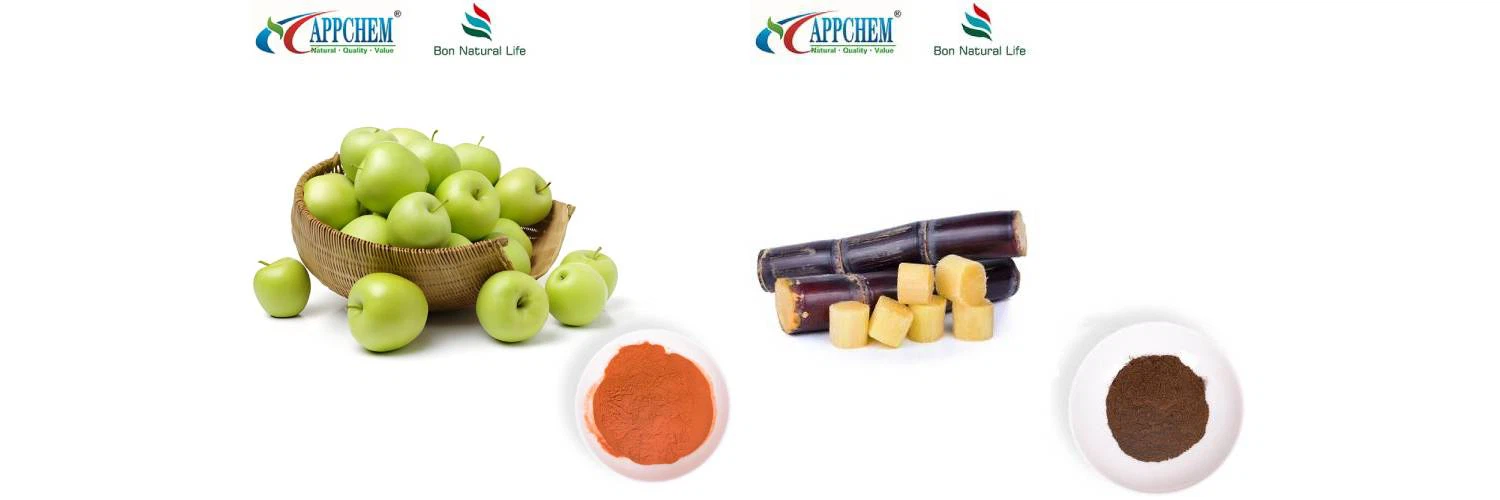
- Apple polyphenols are primarily derived from the peel, flesh, and seeds of apples, with key active components including oligomeric proanthocyanidins (OPCs), epicatechin, and chlorogenic acid. According to a 2023 study in Food Chemistry, the antioxidant activity of apple polyphenols is closely linked to their rich content of proanthocyanidins and catechins, demonstrating broad application potential, particularly in enhancing immune function and cardiovascular health.
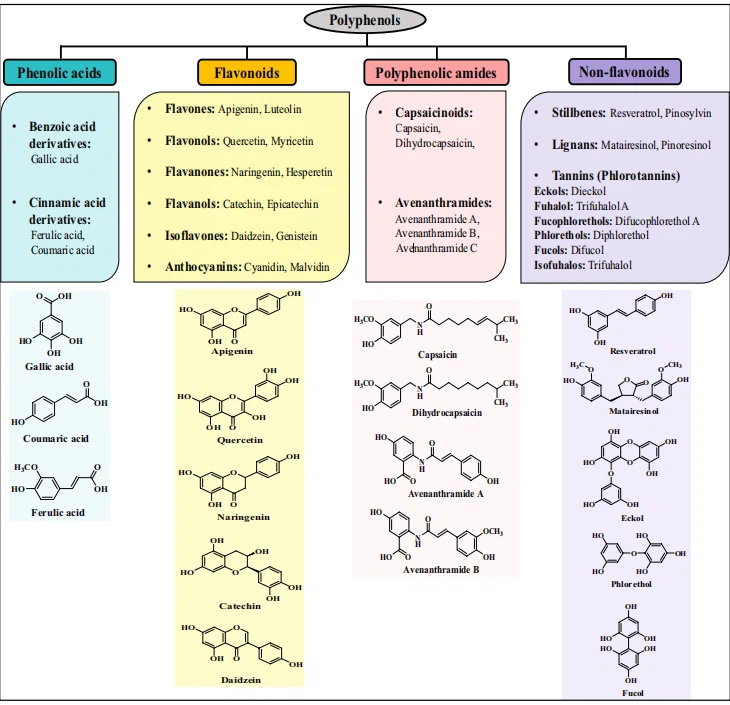
- Sugarcane polyphenols, conversely, are derived from the cane's stem, specifically the outer peel. Its primary active constituents comprise flavonoids (such as quercetin), proanthocyanidins, and phenolic acids. Research published in the Journal of Agricultural and Food Chemistry in 2022 indicates that the polyphenolic compounds in sugarcane possess particularly potent antioxidant and anti-inflammatory properties, demonstrating significant efficacy in promoting liver health, lowering blood glucose levels, and combating ageing.
Compositionally, apple polyphenols are chiefly composed of proanthocyanidins and epicatechin, with functions leaning more towards antioxidant and anti-ageing effects. Sugarcane polyphenols, however, exhibit potent antioxidant, blood sugar-lowering, and liver health-promoting properties, thus holding broader application potential in diabetes management and liver protection.
Do Extraction Methods Affect Yield and Product Stability?
The extraction methods for apple polyphenols and sugarcane polyphenols differ, directly impacting their yield and the stability of active components.
- Apple polyphenol extraction typically employs low-temperature water-alcohol extraction or ultrasonic-assisted extraction, combined with resin purification techniques to enhance recovery rates. According to a 2021 study in Food Science and Technology, apple polyphenol recovery rates generally range from 65% to 75%. Strict control of oxidative reactions during extraction is essential to prevent degradation of active components.
- Sugarcane polyphenol extraction commonly employs aqueous-alcoholic extraction or supercritical fluid extraction techniques, combined with freeze-drying or low-temperature concentration methods to improve recovery rates. Research published in the Chinese Journal of Food Science in 2022 indicates that sugarcane polyphenol recovery rates can reach 80–85%. Furthermore, due to the relative stability of its constituents-particularly flavonoids and phenolic acids-degradation during extraction is less likely to occur.
- Overall, the extraction process for sugarcane polyphenols is relatively more stable and well-suited for large-scale industrial production. In contrast, apple polyphenol extraction requires particular attention to temperature and oxygen control to prevent oxidation-induced loss of active components.
Do Functional Applications Differ in Health and Nutraceutical Markets?
Apple polyphenols and sugarcane polyphenols occupy distinct positions and application domains within the health and dietary supplement market.
- Apple polyphenols, owing to their potent antioxidant properties and capacity to enhance immune function, find extensive application in functional beverages, meal replacement powders, health snacks, and dietary supplements. According to a 2023 study in Nutrients, apple polyphenols demonstrate outstanding efficacy in anti-ageing, antioxidant defence, and cardiovascular health, making them suitable for daily wellness and immune-modulating products.
- Sugarcane polyphenols, conversely, exhibit unique functions in hypoglycaemic effects, antioxidant activity, and liver protection. Research published in Phytotherapy Research in 2022 indicates that the flavonoids and phenolic acids in sugarcane significantly regulate blood glucose, reduce blood lipids, and protect the liver. Consequently, they are extensively utilised in products targeting diabetes management, metabolic syndrome, and liver health. Given their capacity to prevent and alleviate diabetes through enhanced metabolic function, antioxidant activity, and anti-inflammatory effects, sugarcane polyphenols are increasingly incorporated into dietary supplements.
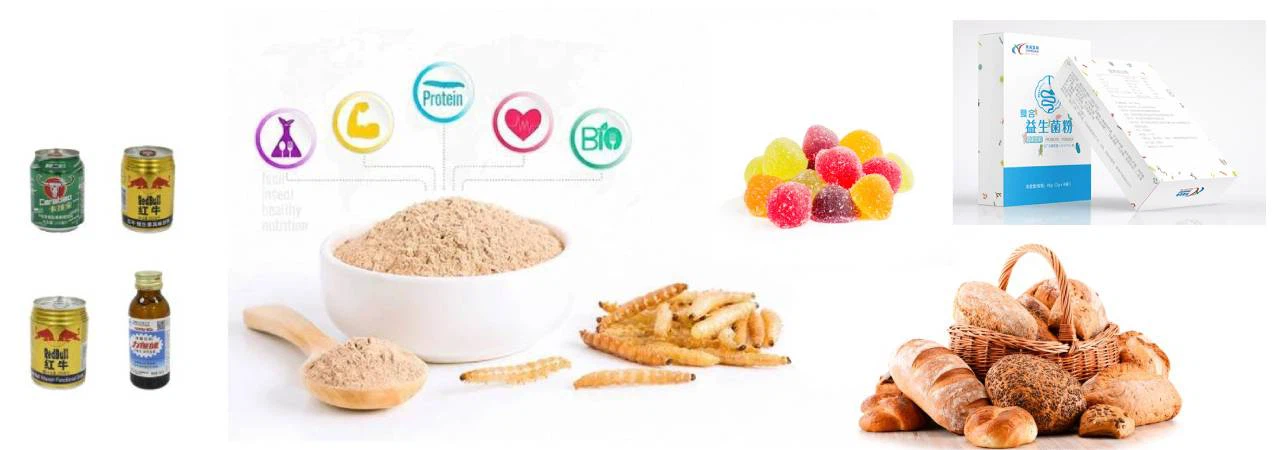
- Consequently, apple polyphenols are suitable for diverse daily wellness products, whilst sugarcane polyphenols find greater application in diabetes management, liver health, and anti-ageing domains.
Conclusion: How Do Polyphenol Sources Shape Their Market Position and Functionality?
Overall, apple polyphenols and sugarcane polyphenols each possess distinct advantages in terms of botanical origin, chemical composition, extraction processes, functional applications, and regulatory compliance. Apple polyphenols are well-suited for daily health products, demonstrating notable efficacy particularly in antioxidant, anti-ageing, and immune system regulation. Sugarcane polyphenols, conversely, find greater application in products targeting diabetes management, liver health, and metabolic syndrome, excelling especially in blood glucose reduction, antioxidant activity, and liver protection.
For more details about polyphenol, connect with Serrisha from APPCHEM. (Email: cwj@appchem.cn; +86-138-0919-0407)
Reference
[1]Kengo Iwata, F. Ferdousi et al. "Modulation of mitochondrial activity by sugarcane (Saccharum officinarum L.) top extract and its bioactive polyphenols: a comprehensive transcriptomics analysis in C2C12 myotubes and HepG2 hepatocytes." Natural Products and Bioprospecting (2024).
[2]D. Hyson. "A comprehensive review of apples and apple components and their relationship to human health." Advances in Nutrition (2011).
[3]K. Lee, Y. J. Kim et al. "Major phenolics in apple and their contribution to the total antioxidant capacity." Journal of agricultural and food chemistry (2003).
[4]R. Tsao, Raymond S. H., Yang et al. "Polyphenolic profiles in eight apple cultivars using high-performance liquid chromatography (HPLC)." Journal of agricultural and food chemistry (2003).
[5]A. Nile, S. Nile et al. "Quercetin-3-Glucoside Extracted from Apple Pomace Induces Cell Cycle Arrest and Apoptosis by Increasing Intracellular ROS Levels." International Journal of Molecular Sciences (2021).