

With the growing global consumer demand for products aimed at stress management, emotional well-being, and combating fatigue, the concept of adaptogens has once again become a focal point in the plant extract industry. Adaptogens generally refer to a class of natural plant compounds that help the body maintain a state of equilibrium under physiological or psychological stress, with Ashwagandha and Rhodiola rosea considered the two most representative plant adaptogens. Although both are used to alleviate stress, enhance fatigue resistance, and improve mental well-being, they exhibit distinct differences in terms of active compounds, mechanisms of action, and the body of clinical research. For companies engaged in the research and development of functional foods or dietary supplements, understanding the differences between these two ingredients in terms of biological mechanisms and application scenarios will facilitate more effective product positioning and formulation design.
How Do Their Active Compounds and Adaptogenic Mechanisms Differ?
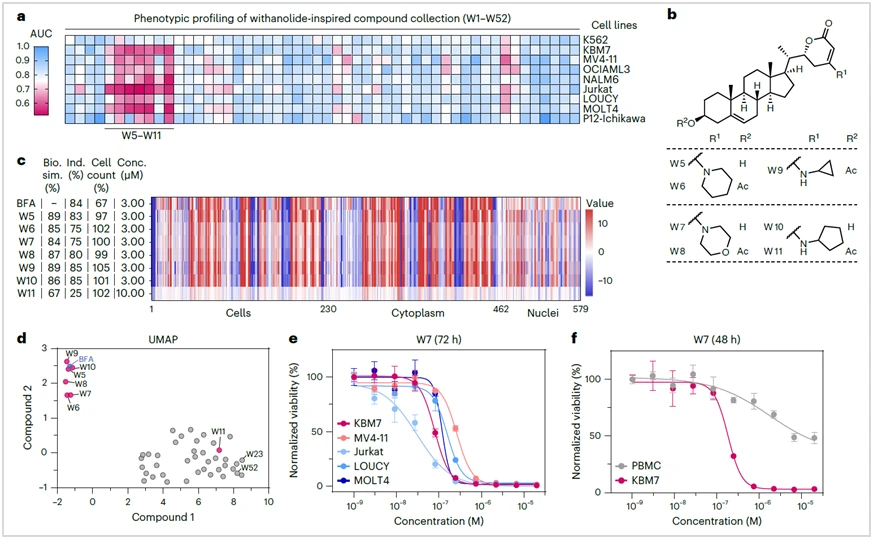
The primary active constituents of Ashwagandha (Withania somnifera) are withanolides, a class of natural compounds with a steroid structure. Research indicates that withanolides can modulate the hypothalamic-pituitary-adrenal (HPA) axis, thereby influencing the body's physiological response to stress. According to a randomised double-blind study published in the Indian Journal of Psychological Medicine in 2012, supplementation with standardised Ashwagandha extract significantly reduced serum cortisol levels in individuals experiencing chronic stress and improved stress-related symptoms (source: https://pubmed.ncbi.nlm.nih.gov/23439798/).
The main active components of Rhodiola rosea include salidroside and rosavins. These compounds are believed to modulate neurotransmitters such as serotonin, dopamine, and noradrenaline, thereby improving psychological stress states. According to a 2017 review published in Phytomedicine, Rhodiola rosea can enhance the body's tolerance to mental and physical stress by influencing neurotransmitter systems and reducing oxidative stress (source: https://pubmed.ncbi.nlm.nih.gov/28182881/).
In terms of mechanism, South African devil's claw tends to focus on reducing stress hormones by regulating the endocrine system, whereas Rhodiola rosea works primarily through neurotransmitters and antioxidant pathways to alleviate mental fatigue.
What Does Clinical Evidence Reveal About Stress Reduction?
In terms of clinical research, South African devil's claw extract is supported by a number of randomised controlled trials in the field of stress and anxiety management. A systematic review published in Medicine (Baltimore) in 2019 analysed multiple clinical trials and found that South African devil's claw supplements significantly reduced stress scores and improved anxiety levels.
Clinical research on Rhodiola rosea extract, on the other hand, has primarily focused on anti-fatigue effects and cognitive performance. According to a 2009 study in *Planta Medica*, supplementation with Rhodiola rosea extract among doctors working in stressful environments significantly improved attention and cognitive performance, whilst reducing mental fatigue.
Therefore, from an evidence-based medicine perspective, there is a greater body of evidence supporting the use of South African devil's claw for chronic stress management, whilst Rhodiola is more commonly used to enhance mental stamina and combat fatigue.
How Do Their Physiological Benefits Differ in Adaptogenic Applications?
In practical applications, there are marked differences in the functional roles of these two adaptogens. Ashwagandha is more commonly used in products related to stress management, sleep improvement, and emotional stability. Research suggests that its anti-anxiety effects may be linked to reduced cortisol levels and enhanced GABA signalling, making it a common ingredient in supplements for emotional well-being. Rhodiola, on the other hand, is more commonly regarded as an 'anti-fatigue adaptogen'. Some studies have found that it can enhance the body's tolerance to hypoxia and high-intensity work environments, leading to its frequent use in sports nutrition and anti-fatigue products. According to a 2020 review in *Frontiers in Pharmacology*, Rhodiola has the potential to improve exercise endurance, reduce feelings of fatigue, and enhance cognitive function (source: https://pubmed.ncbi.nlm.nih.gov/32760229/).
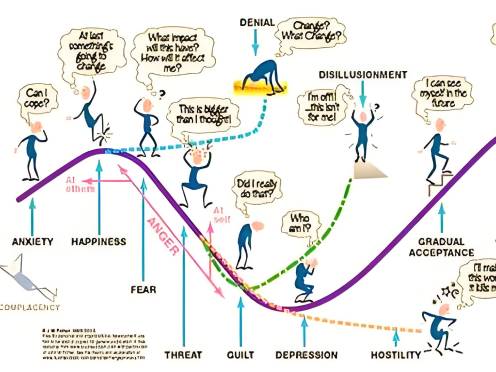
Consequently, Ashwagandha is generally regarded as an 'emotional and stress management adaptogen', whilst Rhodiola is considered a 'physical and cognitive endurance adaptogen'.
Conclusion: How Should Buyers Choose Between Ashwagandha and Rhodiola Extracts?
Overall, although South African devil's claw extract and Rhodiola rosea extract both belong to the category of adaptogenic plants, their functional focuses are not entirely the same. There is substantial research supporting the use of South African devil's claw in regulating stress hormones, alleviating anxiety, and improving sleep, whilst Rhodiola is better suited for enhancing mental stamina, relieving fatigue, and improving cognitive performance. For product development and raw material procurement teams, a sensible strategy is usually not to simply choose one over the other, but rather to apply them in a differentiated manner based on the target consumer group and product positioning, or even to achieve more comprehensive stress-relieving and fatigue-reducing effects through combined formulations.
Reference
[1] 'Biochemical and Cytological Evaluation of the Efficacy of Rhodiola Extract in Cosmetics' - Wang Yingcun, Tang Xiaolin, Liu Dan, Zhang Ying, Hong Minhua, Lü Zhi.
[2] 'Anti-ageing Effects of Rhodiola on Human Skin HSF and HaCaT Cells' - Zhou Sisi, Jiang Jianguo.
[3]SLOMINSKI A T, ZMIJEWSKI M A, ZBYTEK B, et al. Key role of CRF in the skin stress response system[J]. Endocrine Reviews, 2013, 34(6): 827–884.
[4]SKOBOWIAT C, SLOMINSKI A T. UVB activates the hypothalamic–pituitary–adrenal axis in C57BL/6 mice[J]. Journal of Investigative Dermatology, 2015, 135(6): 1638–1648.