

Within the realms of natural emotional regulation and sleep health, kava extract and valerian root extract have long been regarded as two representative herbal sedative ingredients. Both possess extensive histories of application within traditional medical systems and have progressively entered the modern domains of dietary supplements and functional foods. Although both plants are categorised as natural ingredients possessing "sedative or anti-anxiety potential," their active chemical structures, mechanisms of action, and clinical research foundations exhibit distinct differences. For those engaged in ingredient sourcing and formulation development for emotional health products, understanding these distinctions facilitates more scientifically grounded decision-making regarding product positioning and ingredient selection.
How Do Their Active Compounds and Mechanisms Differ?
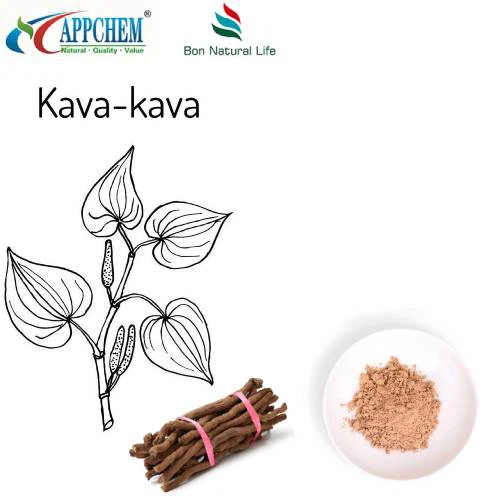
- The primary active constituents of kava pepper (Piper methysticum) are kavalactones, including compounds such as kavain and dihydrokavain. Research indicates these compounds influence the gamma-aminobutyric acid (GABA) pathway within the central nervous system, alongside dopamine and noradrenaline signalling, thereby producing sedative and anxiolytic effects. According to systematic review studies, kava extracts demonstrated superior anti-anxiety effects compared to placebo in multiple randomised controlled trials, achieving a significant reduction in Hamilton Anxiety Scale (HAM-A) scores.
- Valerian root (Valeriana officinalis) primarily contains valerenic acid, valepotriates, and volatile oil components. Its mechanism of action is similarly linked to GABA receptor modulation, but manifests more prominently as promoting nervous system relaxation and sleep induction. Some studies suggest valerenic acid inhibits GABA-degrading enzymes, thereby elevating GABA levels in the nervous system to produce sedative effects. Relevant reviews indicate valerian is commonly employed to alleviate sleep disturbances arising from anxiety.
From a mechanistic perspective, kava kava exhibits a more direct anxiolytic effect, whereas valerian root is predominantly utilised to improve anxiety-related insomnia and nervous tension.
What Does Clinical Evidence Suggest About Their Effectiveness?
- Kava is one of the most extensively researched herbal anti-anxiety compounds. A systematic review analysing multiple randomised controlled trials demonstrated that kava extract outperformed placebo in reducing anxiety symptoms, exhibiting statistically significant differences. However, some clinical studies have yielded inconsistent results. For instance, a randomised double-blind trial involving 171 patients with generalised anxiety disorder found no significant advantage for kava extract over placebo.
- In contrast, clinical research on valerian root has focused more on sleep disorders rather than the treatment of pure anxiety disorders. Some randomised trials indicate valerian can improve sleep quality and alleviate anxiety-induced insomnia, though evidence for its standalone efficacy in relieving anxiety symptoms remains relatively limited.
Consequently, within evidence-based medicine, kava kava is generally regarded as a more direct herbal candidate for anxiety relief, while valerian root is more commonly positioned as a sleep-supporting herb.
What Safety Concerns and Regulatory Issues Exist?
Safety remains one of the most contentious issues surrounding kava in global markets. The US National Centre for Complementary and Integrative Health has indicated that kava supplements are associated with a risk of severe liver damage, prompting sales restrictions in certain countries. Furthermore, prolonged or high-dose kava consumption may induce neurological side effects, such as sedation, impaired motor coordination, and mood alterations.

By contrast, valerian root exhibits a generally favourable safety profile, with common side effects primarily comprising mild reactions such as drowsiness, dizziness, or dry mouth. However, its long-term safety requires further investigation.
How Do Market Trends Shape Their Application in Supplements?
In recent years, emotional well-being and stress management products have emerged as one of the fastest-growing segments within the dietary supplement market. According to multiple industry reports, natural calming botanicals such as kava, valerian, chamomile and passionflower are increasingly being incorporated into formulations for functional beverages, sleep supplements and mood management products. In terms of product positioning, these two ingredients typically exhibit distinct application trends:
- Kava extract: Primarily used in anti-anxiety or stress management products
Common standardisation markers: 30%-70% kavalactones
Typical dosage forms: capsules, liquid extracts
- Valerian Root Extract: More commonly found in sleep-aid products
Common standardisation: 0.8% valerenic acid
It is often combined with melatonin, lemon balm, etc.
This divergence also reflects differing industry perceptions of their functional roles: kava leans towards emotional sedation, while valerian focuses on sleep regulation.
Conclusion: How Should Buyers Position Kava and Valerian in Anxiety Formulations?
Based on current research and market application trends, kava extract and valerian root extract are not in direct competition but rather function as complementary herbal tools with distinct therapeutic focuses.
Kava extract: Supported by numerous clinical studies for short-term anxiety relief, though concerns regarding hepatotoxicity risks and regulatory restrictions warrant attention.
Valerian Root Extract: More suitable for products addressing anxiety-related sleep issues, with relatively stable safety profiles, though evidence for its anti-anxiety effects remains limited.
For product development teams, treating these as complementary ingredients rather than substitutes may prove a more prudent strategy. For instance, within a "dual-action stress-sleep formulation", kava could provide emotional relaxation while valerian improves sleep quality, thereby creating a more comprehensive emotional wellness solution.
Reference
[1]Thomsen M, Schmidt M. Health policy versus kava (Piper methysticum): Anxiolytic efficacy may be instrumental in restoring the reputation of a major South Pacific crop. J Ethnopharmacol. 2021;268:113582. doi:10.1016/j.jep.2020.113582
[2]Singh YN, Singh NN. Therapeutic potential of kava in the treatment of anxiety disorders. CNS Drugs. 2002;16(11):731-743. doi:10.2165/00023210-200216110-00002
[3]Bruni O, Ferini-Strambi L, Giacomoni E, Pellegrino P. Herbal Remedies and Their Possible Effect on the GABAergic System and Sleep. Nutrients. 2021;13(2):530. Published 2021 Feb 6. doi:10.3390/nu13020530