

Among nutritional ingredients associated with visual health and antioxidant properties, blueberry extract and lutein esters are frequently combined in eye health products, though their functional roles are not equivalent. Blueberry extract primarily influences retinal microcirculation and provides antioxidant protection through its polyphenolic compounds, whereas lutein esters directly contribute to photoprotection in the macular region as a structural carotenoid. For professional procurement and R&D personnel, understanding the distinctions between these two ingredients in terms of their mechanisms of action, evidence-based strength, and application scenarios is crucial for establishing a scientifically sound and compliant visual health product system.
How Do Their Active Compounds and Visual Mechanisms Differ?
- The core active component of blueberry extract is anthocyanins, encompassing various glycoside forms such as cyanidin and delphinidin. According to a 2021 study in the Journal of Agricultural and Food Chemistry, blueberry anthocyanins may indirectly support visual function by enhancing capillary elasticity, improving retinal microcirculation, and scavenging free radicals, with their effects leaning more towards antioxidant and blood flow regulation. Furthermore, anthocyanins are thought to promote rhodopsin regeneration, potentially supporting dark adaptation capabilities.
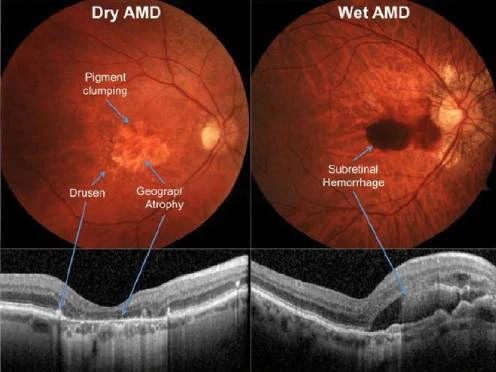
- Lutein esters represent the esterified form of lutein with fatty acids, belonging to the carotenoid family. Within the body, lutein esters can be hydrolysed into free lutein and highly accumulate in the retinal macula. According to a 2020 review in Progress in Retinal and Eye Research, lutein exerts a direct protective effect on macular structure and delays age-related macular degeneration (AMD) by absorbing high-energy blue light and inhibiting photo-induced oxidative damage.
Consequently, from a mechanistic perspective, blueberry extract functions more as a "supportive agent", whilst lutein esters act more as a "structural protector".
How Do Clinical Evidence and Target Populations Compare?
- At the level of evidence-based research, lutein esters and their corresponding free lutein possess more conclusive clinical evidence. The AREDS2 Study and subsequent research indicate that long-term supplementation with lutein significantly enhances macular pigment optical density (MPOD) and reduces the probability of disease progression in individuals at high risk of AMD. This establishes lutein-based ingredients as a core component in visual health products for middle-aged and elderly populations.
- Clinical research on blueberry extracts has primarily focused on alleviating visual fatigue, enhancing night vision, and improving ocular microcirculation. A 2022 human intervention study published in Nutrients demonstrated that supplementation with standardised blueberry anthocyanins can moderately alleviate visual fatigue symptoms in individuals experiencing prolonged eye strain. However, the scale of these studies and the clarity of their disease endpoints remain inferior to those of lutein research.
Consequently, blueberry extracts are more suitable for younger individuals or those with high visual workload, while lutein esters are better positioned for middle-aged and elderly populations, particularly those concerned with macular health.
What Do Formulation and Bioavailability Data Indicate?
In terms of dosage form and bioavailability, the two exhibit distinct differences.
- Blueberry extract typically presents as a water-soluble powder, readily applicable in capsules, tablets, and functional beverages. However, its anthocyanin stability is significantly affected by pH, light exposure, and temperature. According to a 2021 study in Food Chemistry, anthocyanins degrade readily in neutral or slightly alkaline environments, necessitating particular attention to formulation stability in product design.
- Lutein esters, being liposoluble, are better suited for oil-based softgels or emulsified systems. Research indicates that lutein esters offer superior storage stability compared to free lutein, though their absorption relies on dietary fats or lipid carriers. Data from the European Journal of Nutrition in 2020 indicates that the bioavailability of lutein esters can be significantly enhanced in oil-containing formulations.
-
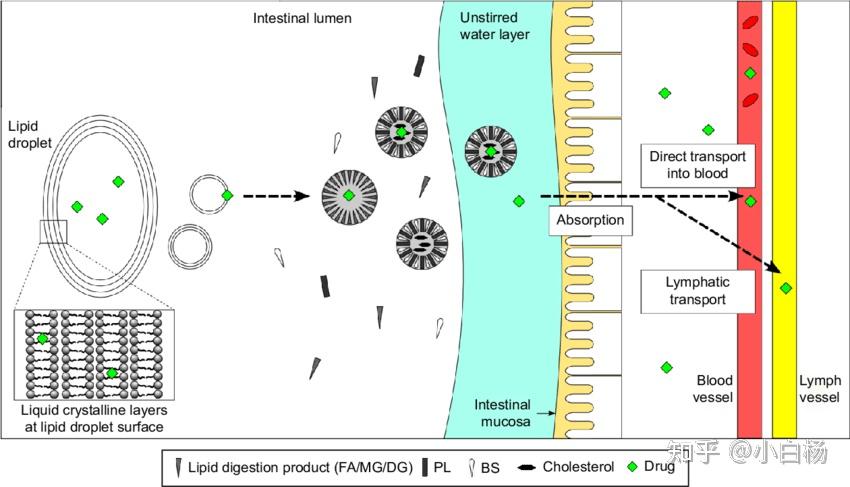
Consequently, from a formulation perspective, Blueberry extract is more akin to a "flexible application ingredient", while lutein esters are more of a "formulation-dependent core component".
How Do Market Positioning and Buyer Preferences Differ?
- Globally, lutein esters have become a standardised ingredient within the visual health category. According to the Global Eye Health Ingredients Market Report 2024, lutein and its esters are extensively utilised in functional foods and dietary supplements across North America, Europe, and Japan, with procurement priorities centring on purity, isomer ratio, and raw material sourcing compliance.
- Blueberry extracts, meanwhile, feature more prominently in product lines emphasising concepts such as "natural antioxidants" and "plant polyphenols", offering strong narrative advantages in functional foods and compound formulations. Key procurement considerations typically include anthocyanin content, raw material sourcing (wild versus cultivated), and batch consistency.
From a B2B perspective, lutein esters are positioned more as a "functionally anchored ingredient", whilst blueberry extract leans towards being a "functionally augmenting and experiential supplement ingredient".
Conclusion: How Should Buyers Choose Between Blueberry Extract and Lutein Esters?
A comprehensive analysis reveals that blueberry extract and lutein esters do not compete on the same dimension within the field of visual health. Blueberry extract is better suited for comprehensive formulations targeting visual fatigue relief, ocular microcirculation support, and antioxidant protection. Lutein esters, conversely, are more appropriate for functional products emphasising macular structure preservation and vision management for middle-aged and elderly individuals. For professional procurement and R&D teams, a rational approach aligned with current visual health market dynamics involves tiered formulation strategies based on target demographics, product formats, and evidence-based requirements. This may even encompass synergistic co-application within a single formulation.
Reference
[1]Wuyang Huang, Han Wu et al. "Protective Effects of Blueberry Anthocyanins against H2O2-Induced Oxidative Injuries in Human Retinal Pigment Epithelial Cells." Journal of agricultural and food chemistry (2018).
[2]Yong Wang, Liang Zhao et al. "Retinoprotective Effects of Bilberry Anthocyanins via Antioxidant, Anti-Inflammatory, and Anti-Apoptotic Mechanisms in a Visible Light-Induced Retinal Degeneration Model in Pigmented Rabbits." Molecules (2015).
[3]Kenjirou Ogawa, Yoshiki Kuse et al. "Protective effects of bilberry and lingonberry extracts against blue light-emitting diode light-induced retinal photoreceptor cell damage in vitro." BMC Complementary and Alternative Medicine (2014).
[4]Hock Eng Khoo, A. Azlan et al. "Anthocyanidins and anthocyanins: colored pigments as food, pharmaceutical ingredients, and the potential health benefits." Food & Nutrition Research (2017).
[5]Giorgio Grillo, Veronika Gunjević et al. "Deep Eutectic Solvents and Nonconventional Technologies for Blueberry-Peel Extraction: Kinetics, Anthocyanin Stability, and Antiproliferative Activity." Antioxidants (2020).