

Among plant extracts associated with liver health, Milk Thistle Extract and Artichoke Extract are widely utilised in dietary supplements, functional foods, and liver function support products. Both are frequently juxtaposed in functional narratives such as "liver protection" and "detoxification". However, their positioning within the liver health framework differs significantly when considering active ingredient composition, mechanisms of action, strength of evidence-based medicine, and industry maturity. For professional procurement and R&D personnel, understanding these distinctions facilitates more scientifically grounded decision-making during product functionality design and ingredient selection phases.
How Do Their Active Compounds and Hepatic Mechanisms Differ?
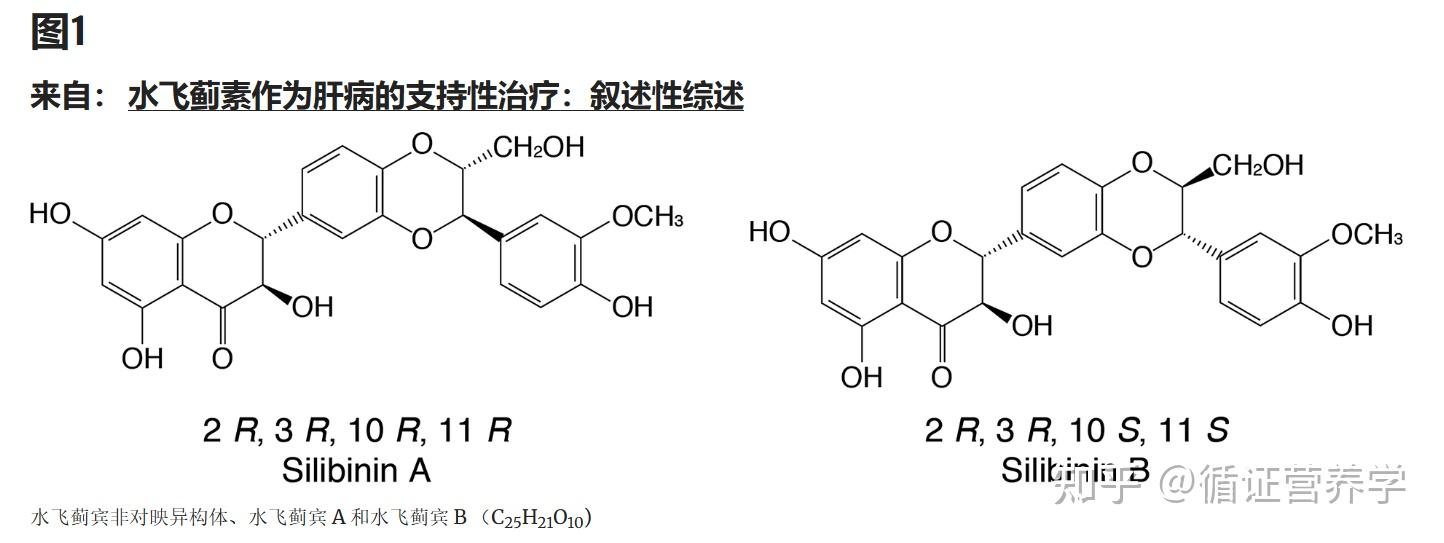
- Milk thistle extract is primarily derived from the seeds of Silybum marianum, with its core active component being the silymarin complex. This complex comprises multiple flavolignans, including silibinin and silychristin. According to a 2021 study in the World Journal of Gastroenterology, silymarin plays a central role in hepatic detoxification and protection by stabilising hepatocyte membranes, inhibiting lipid peroxidation, promoting protein synthesis, and accelerating hepatocyte regeneration. Its mechanism leans more towards direct hepatocyte protection and repair.
- Artichoke extract is derived from the leaves of Cynara scolymus, with primary active constituents including caffeoylquinic acids (such as chlorogenic acid and cynarin) and flavonoid compounds. According to a 2020 study in Phytomedicine, artichoke extract's role in liver health manifests primarily through promoting bile secretion, improving lipid metabolism, and alleviating digestive burden. Its hepatoprotective effects are thus achieved indirectly by optimising hepatobiliary system function.
Consequently, from a mechanistic perspective, milk thistle leans towards "hepatocyte protection", while artichoke leans towards "hepatobiliary function regulation".
How Does Clinical Evidence Compare Between the Two?
- Within the realm of evidence-based medicine, milk thistle extract possesses a more systematic foundation of clinical research. Multiple randomised controlled trials and systematic reviews indicate that silymarin offers some supporting evidence for improving liver function markers such as ALT and AST. A 2022 analysis in the Cochrane Database of Systematic Reviews noted potential benefits of milk thistle in the adjunctive management of alcoholic liver disease and non-alcoholic fatty liver disease (NAFLD), although heterogeneity persists in some study results.

- In contrast, clinical research on artichoke extract has focused more on digestive function and lipid regulation. A 2021 study in the Journal of Medicinal Food demonstrated that artichoke leaf extract improves bile flow, reduces serum cholesterol levels, and offers some auxiliary effect on mild hepatic steatosis. However, direct evidence regarding specific liver damage markers remains relatively limited.
Consequently, in products emphasising clinical endpoints and indicator improvements, milk thistle exhibits a more pronounced evidence-based advantage.
What Do Safety Profiles and Formulation Considerations Reveal?
From a safety perspective, both extracts are generally well-tolerated within their recommended dosage ranges.
- Silymarin extract boasts a long history of use in European and North American markets. Relevant EFSA assessments indicate a low incidence of adverse reactions, with mild gastrointestinal discomfort occasionally reported. At the formulation level, silymarin is a fat-soluble compound with relatively low bioavailability. Market solutions often employ phospholipid complexes (such as Siliphos®) to enhance absorption efficiency.
- Artichoke extract, predominantly obtained through hydroalcoholic extraction, exhibits good water solubility and lends itself readily to formulation in capsules, tablets, and liquid preparations. However, owing to its bile-stimulating properties, caution is advised for individuals with biliary obstruction or gallstones. The 2020 European Journal of Clinical Nutrition noted that artichoke extract demonstrates good tolerability at compliant dosages, yet product labelling and clear indications for target populations remain particularly crucial.
How Do Market Positioning and Buyer Preferences Differ?
- From a market perspective, milk thistle extract has become the standardised core ingredient in global liver health products. According to the Global Liver Health Ingredients Market Report 2024, milk thistle maintains stable demand across European, North American and Asian markets, with procurement priorities centred on silymarin content, standardisation levels and traceable sourcing.
- Artichoke extract, meanwhile, is more commonly employed in compound formulations for hepatobiliary and digestive health, particularly prevalent in the European market. Its procurement logic places greater emphasis on botanical origin, extraction solvent systems, and sensory characteristics.
From a B2B perspective, milk thistle extract leans towards being a "functionally anchored hepatoprotective ingredient", whereas artichoke extract is more oriented towards being a "functionally synergistic and metabolic support ingredient".
Conclusion: How Should Buyers Choose Between Milk Thistle and Artichoke?
A comprehensive analysis reveals that milk thistle extract and artichoke extract do not represent a straightforward substitution in the field of liver health. Silymarin is better suited for product systems emphasising hepatocyte protection, detoxification support, and clinically evidence-driven formulations. Artichoke, conversely, is more appropriate for formulations highlighting bile metabolism, lipid regulation, and digestive function synergy. For professional procurement and R&D teams, making differentiated selections based on target demographics, product functional narratives, and formulation architecture-or even achieving complementary applications within the same product-represents a more rational approach aligned with current market logic in the liver health sector. Please contact Serrisha (cwj@appchem.cn) if you want to know more info about products.
Reference
[1]Yuan Dan, Zhang Guofeng, Wang Ruijie. Study on Quality Evaluation Methods for Milk Thistle Fruit, Fruit Peel and Their Extracts [J]. Journal of Shenyang Pharmaceutical University, 2003.
[2]M. S. Blois. "Antioxidant Determinations by the Use of a Stable Free Radical." Nature (1958).
[3]Jemal Demma, E. Engidawork et al. "Potential genotoxicity of plant extracts used in Ethiopian traditional medicine." Journal of Ethnopharmacology (2009).