

Economic crises, wars, energy costs, inflation, cost of living, consumer habits, and health concerns are all expected to be major trends in 2023. Here are 10 key factors that will shape the year ahead.
Global Economy

The current global economic climate has been affected by the Russia-Ukraine war, soaring energy costs, spiralling food inflation, rising animal feed prices and a cost-of-living crisis.
Rupert Ashby, chief executive of the British Frozen Food Federation (BFFF), has predicted a tough 2023 for food producers and manufacturers. He pointed out that not only energy prices, but also high raw material costs and Labour shortages would continue to pose challenges for the industry.
Inflationary pressures will persist until 2023. The food industry is working to deal with the severe disruption to supply chains caused by the Russia-Ukraine War and the pandemic.
Food Supply and Security

Issues such as the pandemic and the wars will continue to affect the supply of raw materials, and there seems to be no quick fix for these widespread supply chain problems. So food manufacturers are looking to mitigate those challenges.
Food and Beverage Manufacturing Contracted

There's no doubt 2023 will be a tough year. Food and beverage manufacturers are facing the challenge of potential strike action, increased production costs and business closures and plant closures.
Make UK/BDO Manufacturing Outlook survey for the fourth quarter shows that food and drink manufacturing is expected to contract by 1.5% in 2023 as a result of the current economic crisis.
Oghma Partners pointed that some early-stage companies will struggle to survive and have lower valuations because of the current environment. "As an alternative, these companies may look to a sale as an exit route and we expect M&A activity to increase as a result of these more challenging conditions."
Labor Shortage

The food and beverage industry is still reeling from the labor crisis. In the UK, for example, while the government has confirmed that 45,000 seasonal worker visas will be available for businesses next year, things look set to remain difficult throughout 2023.
Data shows that input costs for food processors have risen sharply, energy costs have increased fourfold, and labor shortages in most factories are between 10% and 15%.
Changes in Consumption Habits
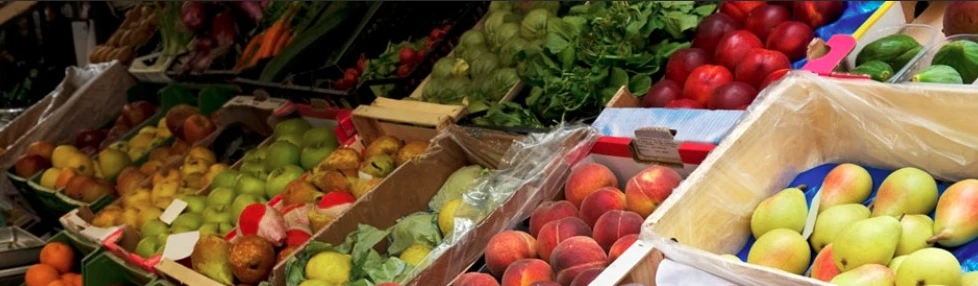
As consumers tighten their belts due to the cost of living crisis, their spending habits have changed dramatically. Kerry says buying and spending behavior are changing faster than before.
Kerry explains, "It is clear that they are willing to reprioritize their spending while maintaining a focus on proactive health and nutrition, prudent buying and sustainability, and are not willing to compromise on taste. We do not expect a reduction in spending on food and beverage, but rather a reprioritization of the consumption basket; We shifted our focus to home solutions that meet their needs in terms of nutrition, health and sustainability without compromising taste."
Uncertainty in the Food Service Industry

Uncertainty in the food service sector will continue to hit suppliers and manufacturers, especially when it comes to forecasting demand.
There have been reports that many businesses are planning to restrict their opening hours in the New Year because of rising running costs such as energy bills, as well as falling consumer spending, which in turn means they will order fewer food and drink.
Luxury Experience

Taste experts ITS predict that the main market drivers in the coming year will focus on "frugal indulgences", as well as plant-based experiential eating.
Despite economic challenges, consumers will still seek out moments of indulgence or enjoyment. "Thrift and indulgence will be the dominant market trend in 2023," he said. While the cost of living crisis means consumers will feel the pinch, I think they will be happy to spend money on luxury items if they think they are getting value for money."
Taste Innovation

While consumers have less money, innovation in the food and beverage industry continues, especially in the salty category. This may include adding unique signature flavors, authentic dairy flavors, alcohol ingredients, umami flavors. Smoked flavors are likely to grow and evolve in popularity, as are grilled, smoked, Japanese barbecue, smoked seaweed and caramel flavors.
International cuisine and ingredients will continue to flourish, including spicy and complex flavors such as mountain pepper, Szechuan chili, hot sauce and Thai greens. A similar trend could be seen in the drinks industry, with a growing interest in salty drinks. But classic flavors are still popular.
Healthy Products

There is still a demand for healthy and functional food and beverage products.
Ayana Bio argued that the biggest change in 2023 is a trend that has been on the rise since the outbreak began: "food as medicine."
The company predicts: "We will see more and more people avoiding foods with high sugar and sodium content, while buying products with natural plant ingredients and health benefits that contribute to stress, sleep, healthy aging, immune function and brain health. In times of economic uncertainty, consumers tend to seek prevention and self-treatment, and this trend is expected to be repeated in 2023."
Sustainability
Despite the challenges facing 2023, sustainability will remain high on the agenda. The main challenge for food manufacturers is to reduce costs while supporting sustainable sourcing.
Within the food and drink industry, there is widespread agreement that decarbonisation and emissions reductions are vital, not only to reduce our impact on the environment, but also to be the only way to do business for decades to come.
The source and sustainable quality of raw materials are increasingly buying considerations for consumers, particularly in raw materials such as palm oil and cocoa.