

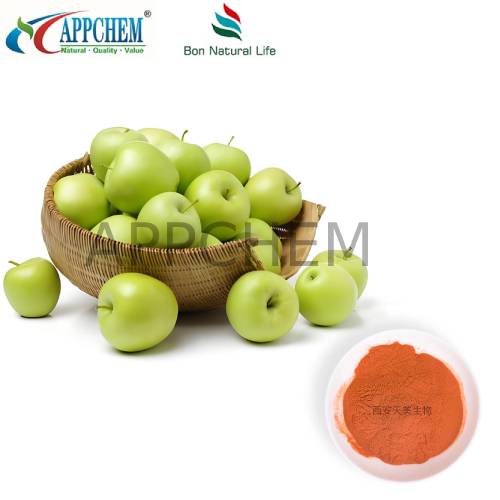
In the trend of pursuing natural and healthy consumption, apple polyphenols, as a star plant extract derived from apples, are highly favored by the health products, functional foods, and cosmetics industries due to their powerful antioxidant, cardiovascular health-improving, and blood sugar-regulating effects. In various media and product promotions, apple polyphenols are almost portrayed as a perfect image of "beneficial and harmless".
The Misconception of Absolute Safety
The public generally believes that 'natural=harmless', but this concept is not entirely applicable in the field of plant extracts. The safety of any substance, including nutrients, is closely related to its dosage. Although apple polyphenols are widely considered safe at the conventional recommended doses, there are potential risks associated with high-dose intake.
High concentrations of polyphenols, especially for individuals with gastrointestinal sensitivity, may cause discomfort. Some consumers may experience symptoms such as bloating, indigestion, and even diarrhea after their first or excessive intake of polyphenolic supplements. This may be because polyphenols can affect the activity of digestive enzymes or alter the balance of gut microbiota. Although such adverse reactions are usually mild and temporary, they do constitute a drawback of apple polyphenols in practical applications, limiting their applicability in specific populations.
Interactions with Drugs
The Herb Drug Interactions between plant extracts and drugs are a focus of modern pharmacology and nutrition. Apple polyphenols, especially certain components such as quercetin, may affect the drug metabolism enzyme system, thereby altering the concentration and efficacy of certain drugs in the body.
Exaggeration of Efficacy
The promotion of the efficacy of apple polyphenols in the market is often "selective", emphasizing only positive experimental results while ignoring the limitations of these studies themselves. This is also an important "weakness" for it as a mature product when facing the market.
Animal experiment results do not equal human efficacy: A considerable portion of current research on the many health benefits of apple polyphenols has been conducted on cell or animal models. For example, conclusions about its powerful effects, such as anti-cancer and significant improvement of liver fibrosis, are mostly derived from animal experiments. Although these studies provide important directions for future exploration, the physiological and metabolic differences between animals and humans are enormous, and the results of animal experiments cannot be directly extrapolated to humans.
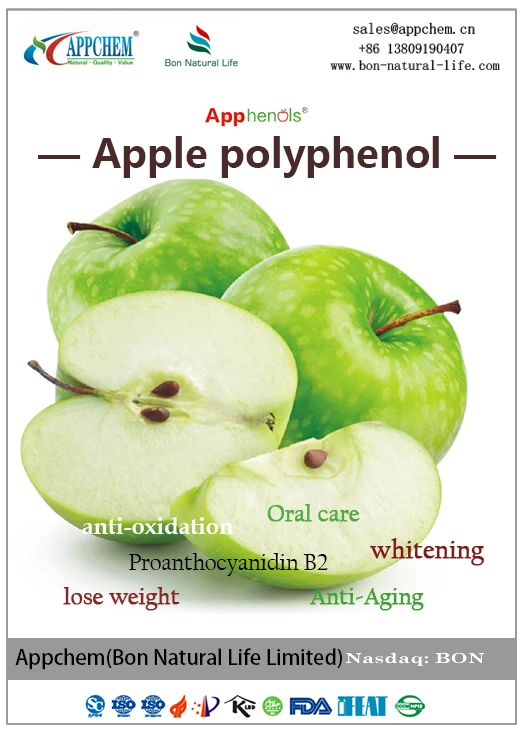
Apple polyphenols, as a plant extract, have shown significant potential in the fields of antioxidant and anti-inflammatory health. Their efficacy has been supported by certain scientific research, but their application needs to be examined from a dialectical perspective.
- Clear advantages: The core health benefits (such as cardiovascular protection and metabolic regulation) have an empirical basis and are in line with the trend of natural ingredient consumption.
- Risk controllable: Although the safety and drug interaction risks of long-term use of high doses exist, the risks can be effectively reduced by standardizing the dosage (such as ≤ 500mg per day) and avoiding combination with specific drugs (such as anticoagulants and immunosuppressants).
- Evidence and quality need to be improved: Some efficacy promotions rely on in vitro or animal experiments. The problem of product standardization can be alleviated by choosing authoritative certification brands (such as ISO and GMP certification).
The benefits of apple polyphenols outweigh the drawbacks, and under the premise of reasonable use (such as following recommended doses and consulting medical professionals), they have market application value. Consumers should prioritize products with high transparency and strict quality inspection, and use them as a supplement to a healthy lifestyle rather than a substitute. Personalized assessment is crucial for specific populations, such as chronic disease patients and pregnant women.
Overall, its potential risks have not obscured its positive significance as a functional component, and market promotion needs to balance scientificity and prudence. For more details about apple polyphenols, connect with Serrisha from APPCHEM. (Email: cwj@appchem.cn; +86-138-0919-0407)
Reference
[1]R. Prior, Xianli Wu et al. "Standardized methods for the determination of antioxidant capacity and phenolics in foods and dietary supplements." Journal of agricultural and food chemistry (2005). [2005-04-26]
[2]Jace D. Everette, Quinton M. Bryant et al. "Thorough study of reactivity of various compound classes toward the Folin-Ciocalteu reagent." Journal of agricultural and food chemistry (2010). [2010-07-28]
[3]Xuelian Bai, Huawei Zhang et al. "Antioxidant activity and HPLC analysis of polyphenol-enriched extracts from industrial apple pomace." Journal of the science of food and agriculture (2013). [2013-08-15]
[4]R. Tsao, Raymond S. H., Yang et al. "Polyphenolic profiles in eight apple cultivars using high-performance liquid chromatography (HPLC)." Journal of agricultural and food chemistry (2003). [2003-09-13]