

Phloretin is a naturally occurring dihydrochalcone flavonoid compound found in fruits such as apples. In recent years, it has received widespread attention in the plant extract industry and biomedical research fields. Research has found that Phloretin exhibits multiple biological activities, including antioxidant, anti-inflammatory, anti-tumor, and metabolic regulation in laboratory studies.[1]
1. Basic characteristics and sources of Phloretin
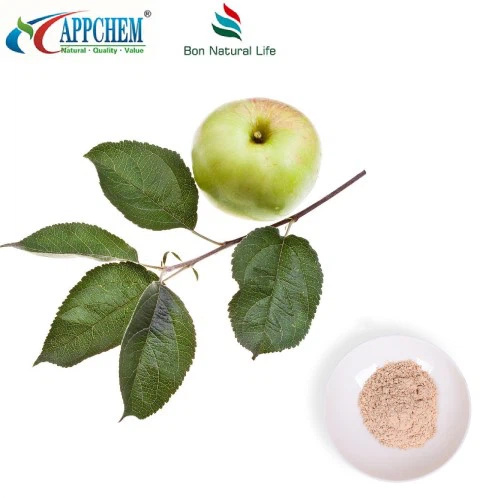
Phloretin is a polyphenolic compound that belongs to the dihydrochalcone group in terms of chemical structure. It is naturally enriched in the skin, root bark, and branches of apples and pears, with apples being its primary commercial source of extraction. In terms of physical properties, Phloretin appears as a white to pale yellow crystalline powder with specific solubility characteristics. To ensure its activity, it is usually recommended to store it in a low-temperature, dark, and dry environment. These fundamental characteristics determine the process requirements for its subsequent research and development, production, and application.
2. Research on the core biological activity and mechanism of action of Phloretin
The value of Phloretin is primarily reflected in its diverse and potent biological activities, and current research is mainly focused on the preclinical stage, encompassing multiple levels from cells to animal models.
2.1 Antioxidant and anti-inflammatory effects
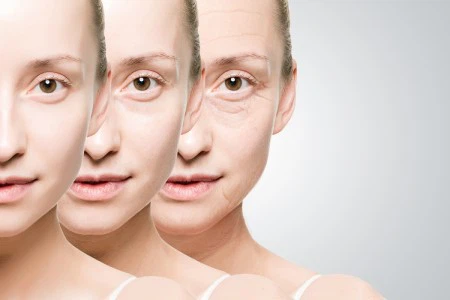
Antioxidative and anti-inflammatory effects are one of the most extensively studied fundamental functions of phloretin. As a flavonoid compound, its molecular structure enables it to effectively scavenge free radicals and alleviate oxidative stress damage to the body.[2] Multiple studies have confirmed that phenoetin can exert significant anti-inflammatory effects by inhibiting the production of inflammatory factors and the activation of signaling pathways.[3] For example, studies have shown that phloretin can improve inflammatory responses, providing a theoretical basis for its application in skin care (such as photoprotection, inflammation relief) and prevention of chronic inflammation-related diseases.
2.2 Metabolic regulation: a promising research direction
The regulatory role of Phloretin in metabolic syndrome and related diseases is currently a research hotspot. As of 2024, while no clinical trials have yet been published on the direct use of phloretin for treating metabolic syndrome in humans, extensive animal model studies indicate strong therapeutic potential.
① Improving glucose and lipid metabolism: Studies have shown that Phloretin can effectively improve glucose intolerance and insulin resistance induced by a high-fat diet.[1] It regulates blood glucose levels by affecting the function of glucose transporters, and also intervenes in lipid metabolism disorders, helping to reduce blood lipids and inhibit abnormal fat accumulation.
② Combat obesity and fatty liver: Phloretin has shown the ability to reduce weight gain and improve liver steatosis (fatty liver) in high-fat diet-induced obesity animal models.[1] According to a 2020 study, Phloretin can improve hepatic steatosis in obese mice by regulating the SIRT1/AMPK signaling pathway and inhibiting hepatic fat production.[4] This reveals its potential application in the development of products for the prevention or adjuvant treatment of non-alcoholic fatty liver disease (NAFLD).
③ The potential of SGLT inhibitors: Phloridzin, a derivative of Phloretin, is one of the earliest studied sodium glucose cotransporter (SGLT) inhibitors. Although the inhibitory effect of Phloretin itself on SGLT is not the same as that of its derivatives, its structure provides an important lead compound model for the development of new anti diabetes drugs.[5]

2.3 Antitumor Potential
Phloretin has also shown positive prospects in the field of cancer research. Multiple in vitro cell experiments and some animal model studies have found that Phloretin can inhibit the proliferation of various tumor cells, induce their apoptosis, and may block the process of tumor metastasis.[3]
Its mechanism of action is complex and may involve the regulation of multiple cellular signaling pathways. However, these findings are still in the early stages of research, and there is still a long way to go before they become mature anti-tumor drugs or adjuvant treatment options.

2.4 Other Potential Application Research
In addition, the study also found that Phloretin has various other biological activities, such as inhibiting the formation of specific bacterial biofilms and having potential neuroprotective effects.[2] These diverse research directions further broaden the imaginative space for future applications of Phloretin.
3. Current Status and Challenges of Phloretin's Practical Application
Despite the encouraging results of basic research, Phloretin still faces severe challenges in translating it into market products and clinical applications.
3.1 Blank spaces in clinical applications and official pharmacopoeia inclusion
This is currently the most critical bottleneck in the application of Phloretin. Through searching official materials, there is currently no evidence to suggest that Phloretin is included in the Chinese Pharmacopoeia (including relevant versions or supplements in 2023). Meanwhile, its presence has not been found in the drug list of international authoritative organizations such as the World Health Organization (WHO). This means that Phloretin has not yet been officially recognized as a standardized drug ingredient, and there are no official regulations on its indications, usage, and dosage.
In addition, as mentioned earlier, there is a significant lack of high-quality, peer-reviewed human clinical trial results on its application in key areas such as metabolic syndrome. This "conversion gap" from laboratory to clinical greatly limits its legal application and promotion in the pharmaceutical field.

3.2 Applications in the fields of cosmetics and food
Based on its strong antioxidant and anti-inflammatory properties, Phloretin has a relatively mature application in the field of cosmetics. It is often added to skin care products such as essence and face cream as an antioxidant to help resist skin aging caused by ultraviolet rays and environmental pollution, and has a certain whitening and soothing effect.[6] However, these applications are primarily non-prescription and non-therapeutic, and their dosage and efficacy claims are strictly regulated across various countries.

4. Conclusion
In summary, Phloretin is a natural active ingredient with great potential for development. Its extensive biological activities in antioxidant, anti-inflammatory, and especially metabolic regulation have been confirmed in numerous preclinical studies, demonstrating its broad application prospects in functional foods, cosmetics, and even future drug development.
For more details, please connect with Serrisha from APPCHEM. (Email:cwj@appchem.cn;+86-138-0919-0407)
Reference:
[1]Sary Alsanea, Mingming Gao et al. "Phloretin Prevents High-Fat Diet-Induced Obesity and Improves Metabolic Homeostasis." The AAPS Journal. [2017-02-14]
[2]Jin-Hyung Lee, S. Regmi et al. "Apple Flavonoid Phloretin Inhibits Escherichia coli O157:H7 Biofilm Formation and Ameliorates Colon Inflammation in Rats." Infection and Immunity. [2011-09-19]
[3]Lijie Ma, Ruixuan Wang et al. "Phloretin exhibits an anticancer effect and enhances the anticancer ability of cisplatin on non-small cell lung cancer cell lines by regulating expression of apoptotic pathways and matrix metalloproteinases." International journal of oncology. [2016-02-01]
[4]Phloretin ameliorates hepatic steatosis through regulation of lipogenesis and Sirt1/AMPK signaling in obese mice. [2020-09-29]
[5]Therapeutic indication of Phloridzin: A new Gleam for metabolic disorders. Harshal Dipak Borse et al. [2025-05]
[6]C. Wu, Y. Ho et al. "In vitro and in vivo study of phloretin‐induced apoptosis in human liver cancer cells involving inhibition of type II glucose transporter." International Journal of Cancer. [2009-05-01]