

What Is the Antimicrobial Ingredient and Market Positioning?
Antimicrobial Ingredient – Oleuropein Powder is a natural active ingredient extracted from olive leaves. Due to its outstanding antioxidant, antibacterial, anti-inflammatory, and immunomodulatory properties, oleuropein has been extensively researched and applied in dietary supplements, functional foods, and health-protective formulations. It is particularly suitable for supporting oral health, the microbial balance of the digestive tract, and systemic immune protection.
Unlike ordinary olive leaf powder or unstandardised extracts, Oleuropein Powder focuses on the efficient enrichment and stability control of the core active ingredient, oleuropein. APPCHEM selects high-quality olive leaf raw materials and employs scientific solvent extraction, multi-stage separation, and purification processes to standardise the extraction of oleuropein. Through rigorous quality management and batch control, we ensure that the product meets the professional requirements of the dietary supplement and functional food industries in terms of purity, active ingredient content, and stability.
Product Positioning in the Pharmaceutical and Dietary Supplement Sectors
Oleuropein occupies a unique and significant position in the pharmaceutical and dietary supplement raw materials market due to its well-defined chemical structure and scientifically validated multiple biological activities.
- In the pharmaceutical sector, oleuropein is positioned as a promising active pharmaceutical ingredient or intermediate. Its pharmacological effects are wide-ranging, including antioxidant, antimicrobial, anti-inflammatory, and antihypertensive properties. It shows promise in the treatment of hypertension, arthritis, metabolic disorders, and infections caused by viruses, bacteria, and fungi.
- In the dietary supplement sector, oleuropein has become a highly regarded functional ingredient. Its core selling points centre on health claims such as boosting immunity, supporting cardiovascular health, regulating blood pressure, and providing antioxidant protection. For dietary supplement brands and formulators, oleuropein is a key ingredient for creating premium, natural health products backed by scientific evidence.
PS: This page focuses on the product application information.
For the product Technical Data Sheet, please click Oleuropein Powder HPLC20% 32619-42-4.
For Integrated Supply Chain & Solutions, please click Olive Leaf Extract Oleuropein Powder Bulk Supply.
What Are the Efficacy and Mechanisms of Action of Oleuropein Powder?
One of the most notable characteristics of oleuropein is its significant antimicrobial activity, which forms the key scientific basis for its application in pharmaceuticals and dietary supplements. Its antimicrobial mechanisms are complex and multifaceted, primarily involving the following aspects:
Interference with bacterial cell structure and metabolism
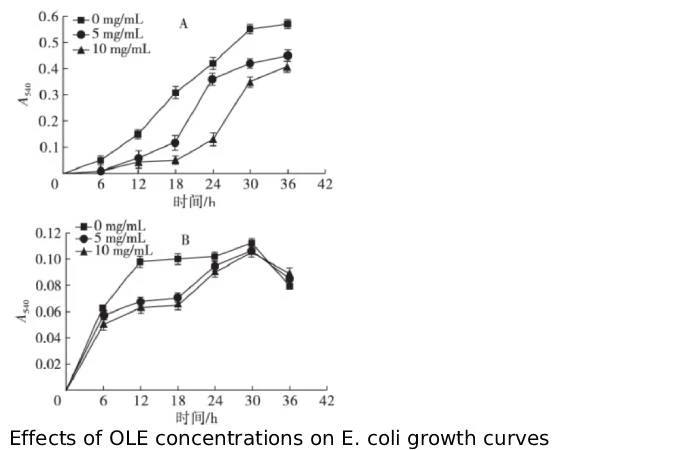
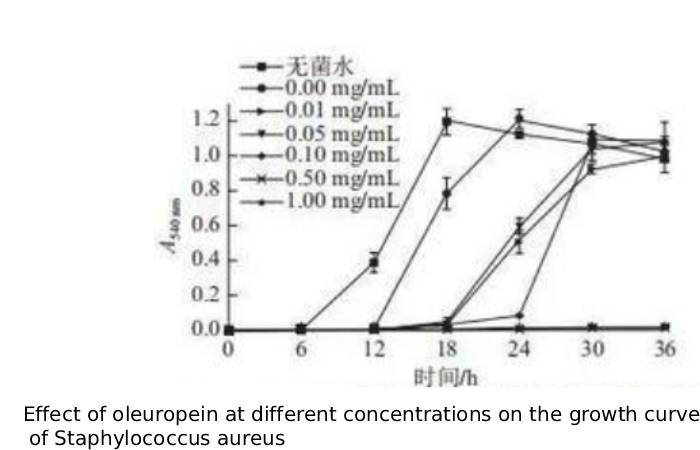
Oleuropein is capable of effectively inhibiting the growth of various Gram-positive bacteria (such as Staphylococcus aureus) and Gram-negative bacteria (such as Escherichia coli), as well as fungi (such as Candida albicans and Trichophyton rubrum). The active groups within the molecular structure of oleuropein can interact with microbial cell membranes, leading to altered membrane permeability and even membrane rupture, thereby disrupting the fundamental barrier function of the microorganism. Furthermore, it interferes with the synthesis of peptidoglycan in the bacterial cell wall; peptidoglycan is a key component maintaining cell wall strength and shape, and its synthesis being impeded weakens the bacterial structure and leads to cell lysis.
Altering microbial redox homeostasis
Oleuropein can modulate the redox state of the microbial growth environment, thereby disrupting the normal functioning of key metabolic pathways in the microorganism. For example, studies on Trichophyton mentagrophytes have revealed that differentially expressed genes following oleuropein treatment are significantly enriched in pathways such as oxidative phosphorylation and amino acid metabolism. This indicates that its antibacterial action is not merely physical membrane disruption, but rather involves inhibiting microbial proliferation by interfering with energy production and fundamental metabolic processes, reflecting the characteristics of multi-target synergistic action.
Antibacterial spectrum and structure-activity relationship
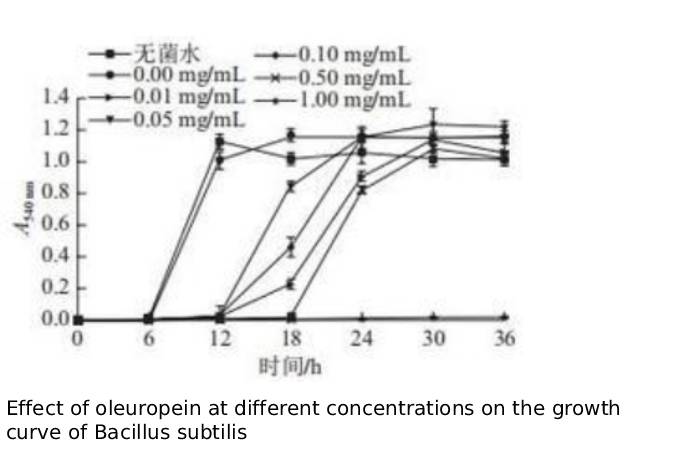
It is worth noting that the inhibitory effect of oleuropein on Gram-positive bacteria is generally considered to be stronger than that on Gram-negative bacteria; this may be related to differences in the cell wall structures of the two bacterial groups (Gram-positive bacteria possess a thick peptidoglycan layer, whereas an outer membrane protects Gram-negative bacteria). Structural units within the molecule, such as the catechol group, ester bonds, lactone rings and glycosidic bonds, collectively form the material basis for its antibacterial activity. These functional groups play a key role in the process of recognising and attacking microbial targets.2.2 Mechanisms of Synergistic and Multifaceted Pharmacological Actions
In addition to antibacterial activity, oleuropein exhibits a variety of pharmacological effects, including anti-inflammatory, antioxidant, cardioprotective and hypoglycaemic actions. These mechanisms are interrelated, forming a synergistic network.
- Antioxidant and anti-inflammatory mechanisms: As a polyphenolic compound, oleuropein is a natural antioxidant. It can alleviate oxidative stress in the body by scavenging free radicals and chelating metal ions, which form the basis for its anti-inflammatory, cardioprotective and anti-ageing effects. Its anti-inflammatory action may be achieved by inhibiting pro-inflammatory signalling pathways (such as the NF-κB pathway) and reducing the expression of inflammatory cytokines (such as tumour necrosis factor-α and interleukins).
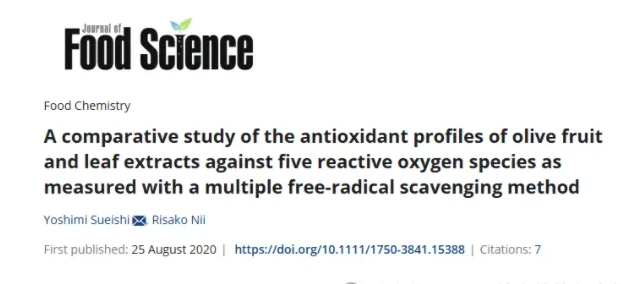
- Cardiovascular protection mechanism: The antihypertensive effect of oleuropein is a key manifestation of its cardiovascular protective function. Studies indicate that it may exert its effects through multiple pathways, including promoting vasodilation, inhibiting angiotensin-converting enzyme (ACE) activity, and improving vascular endothelial function. The European Food Safety Authority (EFSA) has approved the health claim that 'olive oil polyphenols help protect blood lipids from oxidative stress'; as oleuropein is one of the key components of olive oil polyphenols, this indirectly demonstrates its scientific value in this field. Its hypoglycaemic potential may also be related to improved insulin sensitivity and the regulation of glucose metabolism enzyme activity.
In summary, the efficacy of oleuropein is not a linear effect targeting a single mechanism, but rather a complex regulatory network involving multiple levels, including cell membrane structure, energy metabolism, redox balance and signalling pathways. This multi-target nature not only enhances its overall pharmacological efficacy but also reduces the risk of developing drug resistance, making it a valuable natural resource for the research and development of novel antibacterial agents, anti-inflammatory drugs and functional dietary supplements.
What Are the Application Areas and Market Case Studies?
3.1 In-depth Analysis of Core Application Areas
The applications of oleuropein powder are closely aligned with its positioning in the pharmaceutical and dietary supplement sectors, and can be categorised into the following core segments:
Pharmaceutical R&D and Manufacturing
- Cardiovascular Drug Development: The antihypertensive and cardioprotective properties of oleuropein make it a key candidate raw material or lead compound for the development of novel cardiovascular drugs. Pharmaceutical companies can utilise it for new drug research and development or as an active ingredient in formulations.
- Support for Anti-infective Drugs: Given its well-established broad-spectrum antibacterial activity, oleuropein can be used to develop drugs for treating skin and oral infections or as an adjunct in the treatment of systemic infections; it is particularly valuable for research into the inhibition of drug-resistant strains.
- Anti-inflammatory and metabolic disease drugs: Their anti-inflammatory properties can be utilised in the drug development for inflammatory diseases such as arthritis and enteritis, whilst their potential hypoglycaemic effects also provide new avenues for the development of drugs for metabolic diseases (such as diabetes).
Dietary supplements and functional foods
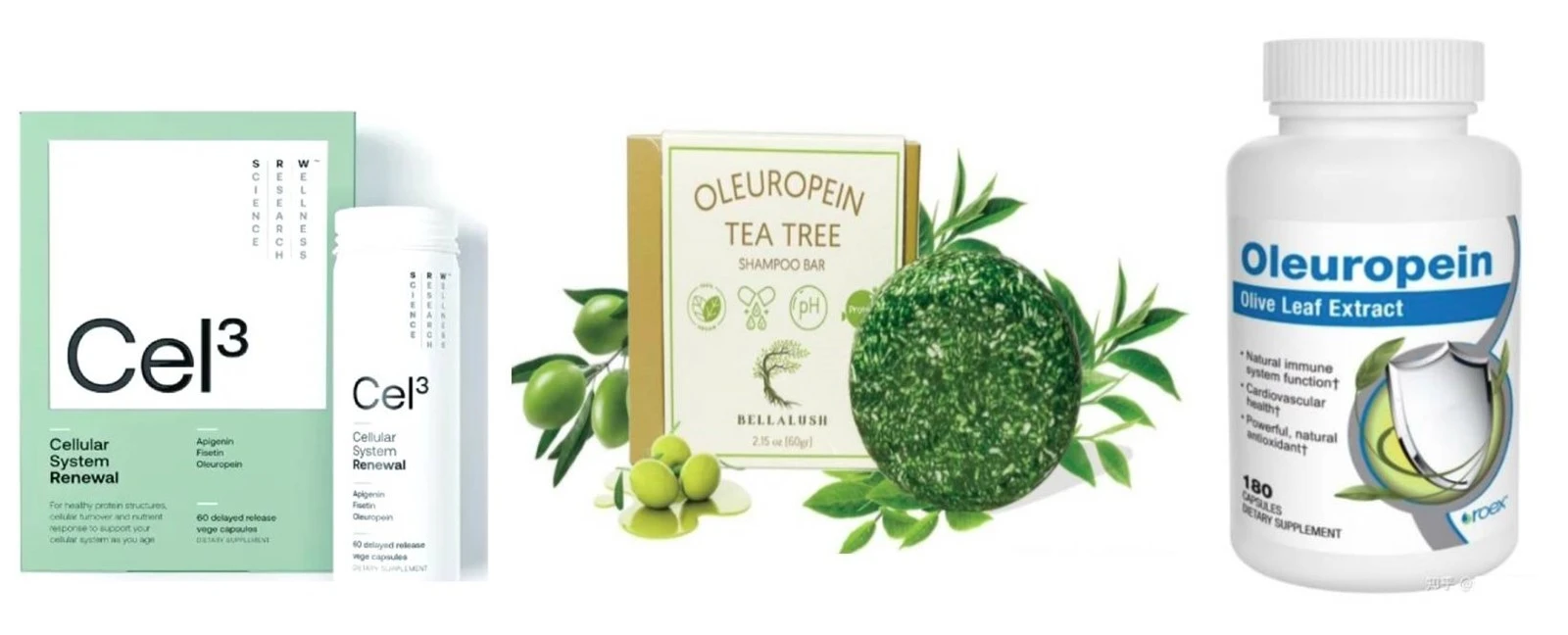
- Immune support and anti-ageing products: This represents the most established application market for oleuropein. Its antioxidant and immunomodulatory functions are key selling points in the development of supplements designed to boost immunity and delay ageing. Products are typically formulated as capsules or tablets, often combined with synergistic ingredients such as vitamin C and zinc.
- Energy and Anti-Stress Supplements: Some products combine oleuropein with B vitamins and adaptogenic herbs (such as ginseng and rhodiola) to help the body cope with stress and boost energy levels.
- Functional Foods and Beverages: As a natural functional ingredient, it is added to health drinks, energy bars and functional teas (such as olive leaf tea), aligning with market trends towards 'clean label' and natural health products.
Cosmetics and Personal Care (Derivative Applications)
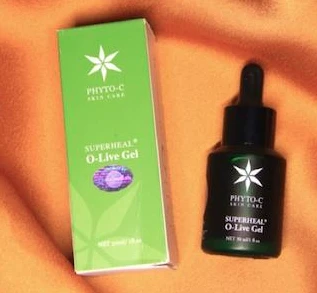
Although this product is primarily targeted at the pharmaceutical and supplement sectors, the exceptional antioxidant, anti-inflammatory and antibacterial properties of oleuropein make it valuable for use in high-end skincare products (such as antioxidant serums, repair creams and acne treatments), where it can help improve skin texture, slow down photoageing and alleviate skin redness.
3.2 Market Applications and Trends
The global oleuropein market is currently experiencing steady growth, primarily driven by increased consumer health awareness and a preference for natural plant-based ingredients.
A large number of dietary supplement brands incorporate olive leaf extract (with oleuropein as the active ingredient) into their products. For example, International dietary supplement brands: Brands such as Nature's Way, Now Foods, Solaray and Vitacost are available on the market, offering capsule products containing olive leaf extract. Labels often specify the minimum oleuropein content (e.g. 6%, 15% or 170 mg per serving). These products are typically marketed as supplements for immune support or cardiovascular health.
Market trends:
- Driven by the clean-label trend: Consumer concerns regarding synthetic additives are driving demand for naturally sourced functional ingredients such as oleuropein.
- Strengthened Scientific Endorsement: A growing body of scientific evidence (such as the EFSA's endorsement of olive oil polyphenols) provides compelling material for market education.
- Diversification of Dosage Forms: Market trends are reflected in the diversification of liquid, powder and capsule formulations to cater to the preferences of different consumer groups.
What Are the Product Application Limitations and Stability Studies?
In practical applications, the physicochemical stability of oleuropein raw material is a key factor that must be carefully considered during formulation development and production, as it directly affects the product's shelf life and efficacy. According to numerous scientific studies, the stability of oleuropein under various conditions is as follows:
- Thermal stability: Oleuropein is sensitive to heat, and temperature is a key factor affecting its stability. Experiments have shown that the decomposition limit of its dry powder at high temperatures is 232.3°C; above this temperature, it undergoes complete degradation. Under normal storage and processing conditions, it is relatively stable at 4°C, but significant degradation can already be observed at 25°C. When the temperature rises above 70°C, the rate of degradation accelerates significantly, causing detrimental effects on its structure. This suggests that temperature must be strictly controlled during thermal processing operations such as extraction, concentration and drying, as well as during product storage and transport.
- Acid-base stability: The stability of oleuropein is significantly influenced by pH and exhibits asymmetry.
①Alkaline conditions: It hydrolyses very easily in alkaline environments, with a very rapid rate of degradation. Data indicate that oleuropein begins to dissociate at pH 10 and is completely degraded under strongly alkaline conditions at pH 14. This property is often utilised for the hydrolysis of oleuropein under alkaline conditions to produce its derivative, hydroxytyrosol; however, it also implies that oleuropein will rapidly lose its efficacy in alkaline formulations or environments.
②Acidic conditions: By comparison, oleuropein exhibits greater stability in acidic environments. Studies indicate that it is significantly more stable under acidic conditions (around pH 5) than under alkaline conditions. However, this does not imply complete resistance to strong acids; research has found that its concentration also drops sharply under strongly acidic conditions (pH 2). Overall, a neutral to slightly acidic medium is more conducive to maintaining its stability. Effect of pH 7: Some studies suggest that the concentration of oleuropein in an aqueous solution at pH 7 (neutral) may actually reach its lowest value, indicating that some mechanism of instability may exist in a neutral environment.
- Light stability: There are slight discrepancies in the conclusions of studies regarding light stability. Most studies suggest that oleuropein is relatively stable to light, with no significant degradation observed in standard light exposure tests. However, some studies indicate that prolonged exposure to high-intensity light may cause the ester and ether bonds in its molecular structure to break, leading to degradation. Furthermore, prolonged exposure to air and direct sunlight may result in its decomposition. Therefore, as a precaution, it is still recommended that the product be stored away from light.
What Are the Global Regulatory Frameworks?
As an ingredient used in pharmaceuticals and dietary supplements, the regulatory requirements for oleuropein vary across different countries and regions; understanding these regulations is a prerequisite for product entry into target markets.
5.1 The US Market
In the United States, oleuropein is primarily regulated as a dietary supplement ingredient.
- Regulatory Authority and Legislation: The US Food and Drug Administration (FDA) regulates dietary supplements under the Dietary Supplement Health and Education Act (DSHEA).
- Authorisation: Oleuropein has been approved by the FDA for use as a dietary supplement ingredient. Specific guidelines indicate that the permitted dosage range is 10–12.5 mg.
- New Dietary Ingredient (NDI) and GRAS: If oleuropein is used as a new ingredient in dietary supplements, manufacturers must submit a New Dietary Ingredient (NDI) notification to the FDA to demonstrate its safety under intended conditions of use. Certain olive extracts may have already obtained 'Generally Recognised as Safe' (GRAS) status, which provides further regulatory support for the use of oleuropein.
- Health Claims: Under the FDA framework, qualified health claims or structure-function claims may be made. For example, claims such as "supports cardiovascular health" or "provides antioxidant protection" may be made, provided they are truthful, not misleading, and supported by scientific evidence, whilst also bearing the statement: "This claim has not been evaluated by the FDA. This product is not intended to diagnose, treat, cure or prevent any disease."
5.2 European Market
EU regulation of oleuropein covers food supplements and potential health claims.
- Regulatory Bodies and Legislation: The European Food Safety Authority (EFSA) is responsible for the scientific assessment of the safety of food ingredients and health claims, whilst the European Commission and individual Member States are responsible for specific regulatory enforcement.
- Health Claims: EFSA has approved a health claim relating to olive oil polyphenols. According to EFSA's scientific opinion, the claim that "olive oil polyphenols help protect blood lipids from oxidative stress" is permitted. This claim applies to olive oil products and requires a minimum content of 5 mg of hydroxytyrosol and its derivatives (oleuropein being one of the main derivatives). Although this claim does not specifically target pure oleuropein, it provides significant regulatory support for its use in products derived from olive leaf extracts. EFSA has not yet issued a specific approval for an independent health claim regarding oleuropein itself as a raw material for dietary supplements.
Why Choose APPCHEM?
As a specialist supplier of oleuropein raw materials, XI'AN APP-CHEM BIO (TECH) CO., Ltd (hereinafter referred to as "APPCHEM") leverages its extensive industry experience and outstanding production capabilities to provide high-quality, stable and reliable products to customers worldwide.
6.1 Development History and Industry Standing
Founded in 2006, APPCHEM is a high-tech, export-oriented enterprise specialising in the research, development, production and sales of natural plant bioactive compounds, and holds its own import and export rights. After nearly two decades of development, the company has grown into one of the leading production bases for plant extracts in Western China, establishing a prominent technical and market position within the industry, notably as the first plant extract company to be listed on the US stock market(NASDAQ: BON). Thanks to its consistent product quality and commercial reputation, APPCHEM has become a qualified raw material supplier to numerous large multinational corporations, with its products widely used in pharmaceuticals, food, beverages, cosmetics and health supplements across the globe.
[To learn more about our journey, please click here to visit our "Development History" page]
6.2 R&D and Production Capabilities
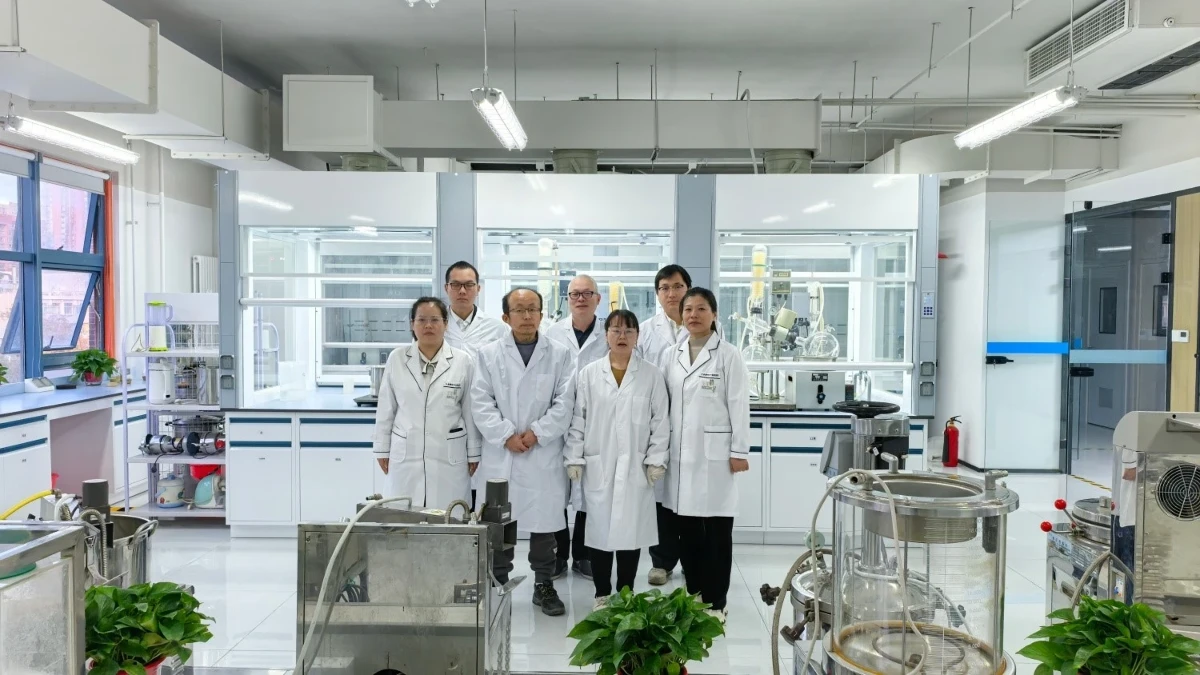
- Production Scale and GMP Certification: The company operates a modern industrial park covering 100 mu (approximately 6.7 hectares), with production facilities spanning 13,500 + 11,000 square metres and an annual production capacity of 500 tonnes of plant extracts. The production base has been constructed in strict compliance with GMP standards and has obtained GMP certification from the China Food and Drug Administration (CFDA), ensuring that the entire production process-from raw materials to finished products-is standardised and controllable.
- Advanced Processes and Equipment: APPCHEM employs "advanced production technologies such as high-efficiency continuous column chromatography and membrane separation". The company is equipped with a fully-equipped R&D laboratory and strictly adheres to Standard Operating Procedures (SOPs). Every batch of product must undergo rigorous inspection by the quality control department before leaving the factory, ensuring product quality through both process control and quality inspection.
- Product Specifications: The company offers a diverse range of oleuropein products, including standardised extract powders with varying purities such as 20%, 40% and 60% olive bitterin content, to meet customers' diverse needs from formulation development to large-scale production.
[To explore our innovation capabilities, please click here to visit our 'R&D and Innovation' page]
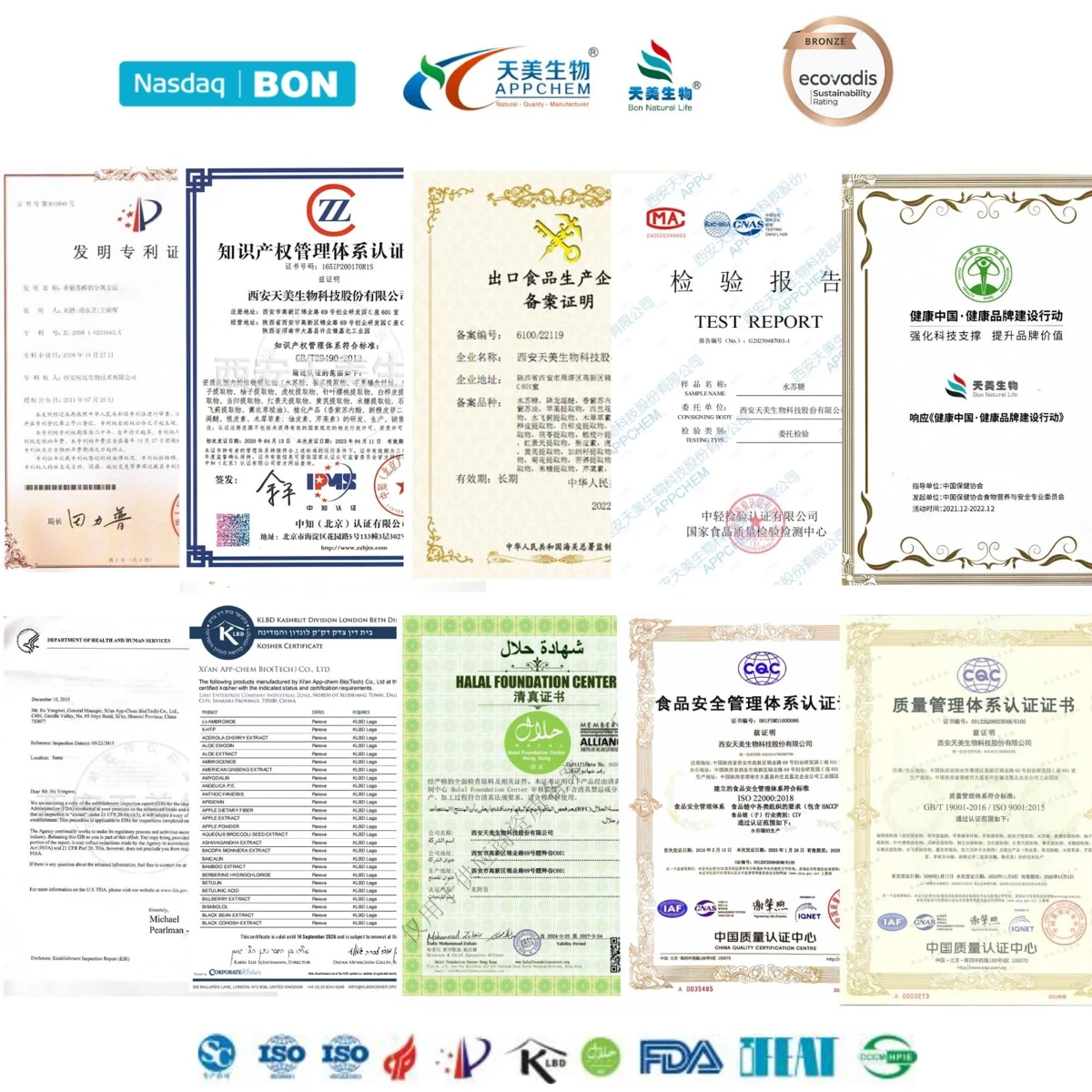
6.3 Quality Management System and Certifications
The company has established a comprehensive quality control system.
Raw Material Control: Strict control measures are in place for the procurement and transportation of raw materials to ensure reliable sourcing and superior quality.
Process Control: Production processes strictly adhere to Standard Operating Procedures (SOPs) to ensure process stability and product consistency. Finished Product Inspection: Every batch of products undergoes rigorous inspection by the Quality Control Department before dispatch.
International Certification: Our products have obtained Kosher, Halal, ISO 22000 and ISO 9001 certifications, opening up access to international markets, particularly those with specific dietary requirements. The company is actively pursuing organic certification and other accreditations to meet broader market demands.
6.4 Professional Team and Philosophy
The company's team upholds a rigorous and pragmatic approach to work and maintains close collaborative relationships with numerous research institutions, continuously driving product development and technological innovation. This 'talent plus technology' dual-drive development model is the core guarantee of APPCHEM's ability to consistently provide customers with high-quality oleuropein raw materials and professional services.

Reference
[1]Jorge Casas-Sanchez, Jorge Casas-Sanchez et al. "Interaction between the antibacterial compound, oleuropein, and model membranes." Colloid and Polymer Science (2007).
[2]M. Heinrich. "How similar is similar enough? A sufficient similarity case study with Ginkgo biloba extract" by Catlin et al.; Food and Chemical Toxicology 118 (2018) 328-339." Food and Chemical Toxicology: an international journal published for the British Industrial Biological Research Association (2018).
[3]K. Jürkenbeck, Theresa Haarhoff et al. "Does Allulose Appeal to Consumers? Results from a Discrete Choice Experiment in Germany." Nutrients (2022).
[4]V. Steenkamp, M. Stewart. "Medicinal Applications and Toxicological Activities of Aloe. Products." Pharmaceutical Biology (2007).
[5]Dominique Turck, Torsten Bohn et al. "Safety of ashitaba sap as a Novel food pursuant to Regulation (EU) 2015/2283." EFSA Journal (2024).
[6]M. Garcia‐Aloy, N. Groff et al. "Exploratory Analysis of Commercial Olive-Based Dietary Supplements Using Untargeted and Targeted Metabolomics." Metabolites (2020).
[7]M. Uebel. "Galacto-Oligosaccharides, Food Biotechnology & the EFSA." (2013).
[8]M. Bellumori, L. Cecchi et al. "The EFSA Health Claim on Olive Oil Polyphenols: Acid Hydrolysis Validation and Total Hydroxytyrosol and Tyrosol Determination in Italian Virgin Olive Oils." Molecules (2019).


