

As a natural dihydrochalcone compound mainly found in fruits such as apples and pears, phroretin is attracting increasing research and development attention in the fields of cosmetics, functional foods, and medicine due to its powerful antioxidant, anti-inflammatory, and multiple skincare effects.
1, Phloretin's' Identity Profile ': What is the Source and Chemical Structure?
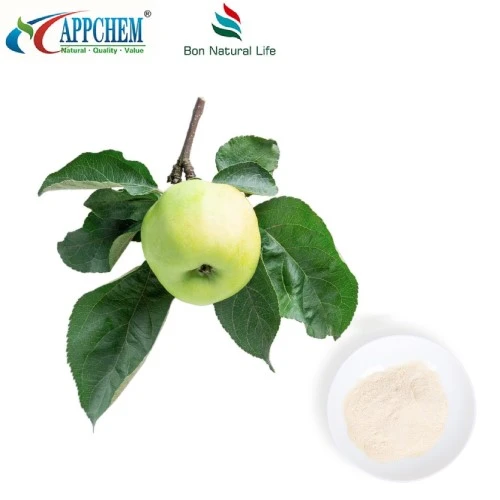
Phloretin (CAS number: 60-82-2) is a naturally occurring polyphenolic compound, mainly distributed in the skin and root bark of apples, strawberries, and some other Rosaceae plants in nature. It is worth noting that in plants, it often exists in its glycoside form - Phlorizin (CAS: 60-81-1), which can be hydrolyzed under specific conditions to obtain root bark extract.
The core chemical information is as follows:
Molecular formula: C15H14O5
Molecular weight: 274.27 g/mol
This unique chemical structure, especially the multiple phenolic hydroxyl groups in its molecules, is the structural basis for its strong biological activity, providing necessary chemical sites for its antioxidant behavior.
2, What are the Core Physical and Chemical Properties?
Understanding the physicochemical properties of a raw material is the first step in evaluating its potential for application in different product formulations. According to the standard product data provided by numerous suppliers, the physicochemical properties of Phloretin are mainly manifested as:
- Appearance: Pure products are usually white to light red or slightly yellow crystalline powders.
- Melting point: It has a high melting point of 260–262 °C with decomposition, indicating good thermal stability.
- Solubility: A significant characteristic of phenoetin is its very low solubility in water, but it is easily soluble in organic solvents such as methanol, ethanol, acetone, ethyl acetate, and alkaline solutions. This characteristic is crucial for formulation engineers, as it requires the use of solubilizers, nanocarriers, and other technical means to improve bioavailability and formulation stability in water-based formulations.
3,What are the Key Biological Activities of Phloretin?
The core value of resveratrol lies in its diverse and powerful biological activities, among which antioxidant and anti-inflammatory abilities are currently the two most deeply researched and widely applied aspects.
3.1 Excellent antioxidant capacity and its mechanism
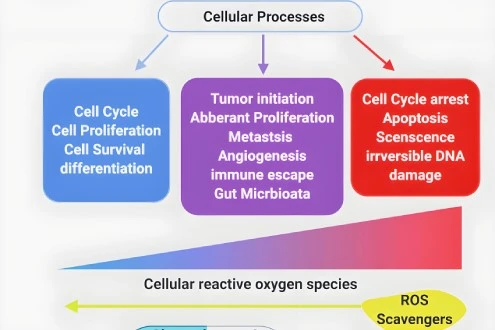
Oxidative stress is a key factor leading to skin aging, cell damage, and various chronic diseases. As a highly efficient antioxidant, the mechanism of action of Phloretin is multidimensional:
Direct elimination of free radicals: The phenolic hydroxyl group on the root bark extract molecule can provide hydrogen atoms, directly neutralizing various reactive oxygen species (ROS) and reactive nitrogen species (RNS) free radicals, thereby blocking the chain reaction of oxidative damage.
Activate endogenous antioxidant system: More importantly, studies have found that Phloretin can activate key antioxidant signaling pathways within cells. For example, a 2019 study clearly indicated that Phloretin can upregulate the expression of nuclear factor E2-related factor 2 (Nrf2) by activating AMPK-dependent signaling pathways. Nrf2 is known as the "commander-in-chief" of the cellular antioxidant defense system, and its activation can promote the gene expression of a series of downstream antioxidant enzymes (such as heme oxygenase-1), thereby fundamentally enhancing the endogenous ability of cells to resist oxidative stress.
3.2 Significant anti-inflammatory effects and pathway regulation
Inflammation is closely related to various skin problems (such as acne, sensitivity, and pigmentation) and internal diseases of the body. Phloretin exhibits strong anti-inflammatory potential, and its mechanism also involves the regulation of multiple signaling pathways.
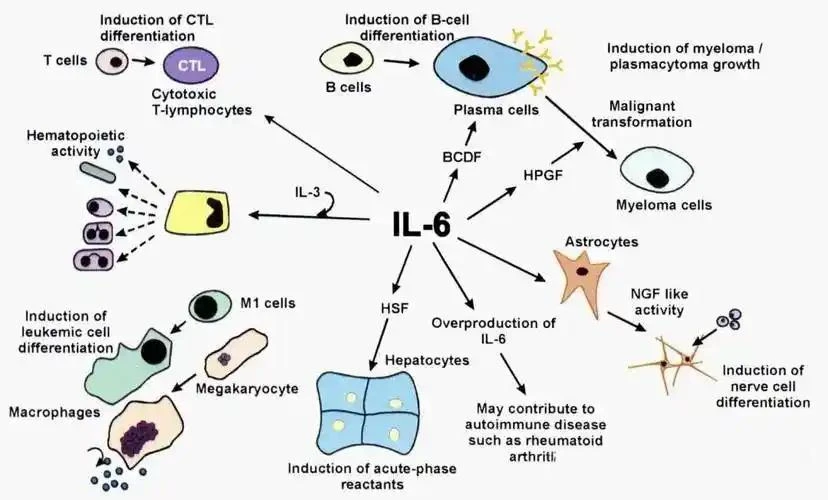
Inhibition of pro-inflammatory cytokine release: Multiple in vitro studies have confirmed that resveratrol can effectively inhibit the production of various pro-inflammatory cytokines by inflammatory cells (such as macrophages) induced by stimuli such as lipopolysaccharides (LPS). In a study published by Li Tan et al. in the Chinese Journal of Immunology in 2021, the in vitro anti-inflammatory mechanism of Phloretin on LPS induced RAW264.7 macrophages was elaborated, and it was found that it could significantly inhibit the production of key inflammatory mediators such as nitric oxide (NO), tumor necrosis factor - α (TNF-α), and interleukin-6 (IL-6).[2]
4, Current Status of Production Extraction and Quality Control
At present, the commercial production of Phloretin mainly relies on extracting from plant materials rich in Phloretin (such as apple branches and leaves, apple pomace), and then hydrolyzing them to obtain it. Traditional methods are mostly solvent extraction, but new extraction techniques are constantly being explored to improve efficiency and environmental friendliness.
In addition, biotransformation is another important technological direction. A 2018 study optimized the preparation process of efficiently converting root bark glycosides into Phloretin through enzymatic methods. Looking towards the future, synthetic biology technology also shows great potential. By constructing a biosynthetic pathway for root bark extract in microorganisms such as engineered yeast, it is expected to break free from dependence on plant resources and achieve more efficient, stable, and large-scale production.[3]
Pioneering science-backed plant actives since 2006, APPCHEM(NASDAQ-listed: BON) is an FDA-audited producer with 20+ years' expertise in bioactive plant ingredients. Specializing in R&D, production, and supply chain solutions for functional foods and personal care, we serve global nutraceutical and cosmetic enterprises.
Explore more at AppChem!
Our address
C601, Gazelle Valley, No.69 Jinye RD.Xi'an Hi-tech Zone, Xi'an, 710077, China
Phone Number
+86-138-0919-0407
cwj@appchem.cn(Serrisha)

Reference
[1]Výročná správa o činnosti a hospodárení za rok 2023. Ústav geotechniky SAV, v. v. i.. [2024-02]
[2]Preparation and characterization of microcapsules by heat-treated myofibrillar protein coagulation method, Zhao Lizhu, et al. [2023-06]
[3]Optimizing Trilobatin Production via Screening and Modification of Glycosyltransferases. Yang. et al. [2024-01-30]