

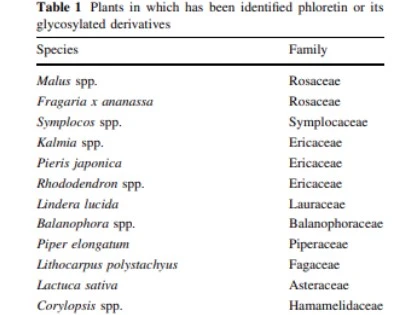
When discussing the food sources of phloretin, apples (Malus domestica) are an unavoidable topic. The existing scientific literature and industry practice consistently indicate that apples are currently the most abundant and concentrated commercial source of phloretin.[1,2,5]
1, What is the core source of Phloretin?
1.1 Distribution and Content of Phloretin in Apples
The distribution of phloretin in apples is not uniform, but exhibits highly localized characteristics. There are significant differences in its content among the peel, flesh, leaves, and roots. A study shows that the content range of phelotin in apple peel can reach 80-420 mg/kg, while the content in fruit flesh is significantly reduced to only 16-20 mg/kg.[1] This data difference highlights the enormous economic value of apple peel as a raw material for extracting phloretin. For plant extraction companies, utilizing apple pomace, a byproduct of juice processing, is a highly cost-effective and sustainable production strategy.
2, Beyond Apples: Exploring Other Potential Food Sources
Although apples are the "star producing area" of phloretin, expanding our horizons to other plants, we can also find traces of phloretin, although there is relatively little quantitative research on it.
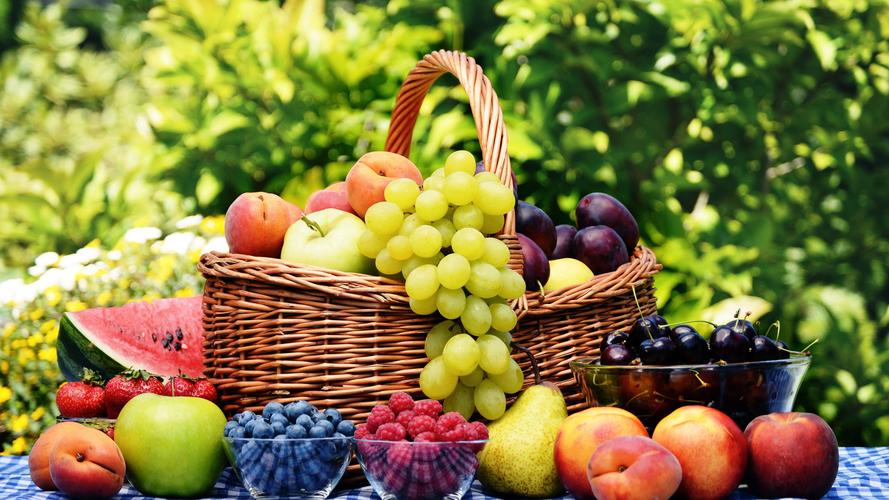
Plums and other Rosaceae fruits: The research literature clearly indicates that phloretin is also present in fruits such as plums. From the perspective of plant taxonomy, apples, plums, pears, strawberries, etc., all belong to the Rosaceae family, which is known for being rich in various polyphenolic compounds. Therefore, it can be reasonably inferred that these fruits may also contain a certain amount of phloretin or Phloridzin, but their specific content and commercial extraction value still need more modern analytical chemistry research to confirm.
3, What are the Industry Insights and Future Prospects of Phloretin?
Based on the above analysis, we can outline a clear picture for the development of phloretin raw materials in the plant extract industry:
- Focus and optimization of raw material selection: Currently and in the foreseeable future, apples and their processing by-products (especially apple peels) remain the absolute core raw materials for commercial extraction of phloretin. The focus of the industry should be on screening apple varieties with high content of paeoniflorin, optimizing extraction and hydrolysis processes to maximize yield and purity.
- The exploration value of new sources: Although the content of phloretin in other foods is not yet clear, it provides a broad space for front-end research and development. Systematic component analysis of Rosaceae fruits such as plums, pears, and strawberries may reveal new sources of raw materials with specific advantages.
- The scientific basis for market communication: When introducing phloretin products to customers and consumers, emphasizing their "origin from natural apples" is a powerful marketing language. Meanwhile, citing scientific facts such as' the content in apple peel is much higher than that in fruit pulp 'can effectively enhance the professionalism and credibility of the product.
In summary, the answer to the question 'Which foods contain phloretin?' is very clear at this stage: apples, especially apple peels, are the most abundant, thoroughly researched, and commercially mature source of phloretin.
Phloretin mainly exists in the form of precursor phloridzin in apples, which is crucial for the extraction process. Although other fruits, such as plums, also contain phloretin, their quantitative data and commercial development potential still need to be further explored.
Explore more at AppChem! (Serrisha: cwj@appchem.cn; +86-138-0919-0407)
Reference
[1]Pharmacological Aspects and Potential Use of Phloretin: A Systematic Review. Arokia Vijaya Anand Mariadoss et al. [2019]
[2]The Food Processing Industry's 200th Anniversary: Bioactive Compounds, Antioxidants, and Potential Health Benefits. Vassilis Athanasiadis et al. [2024]
[3]R. Tsao, Raymond S. H., Yang et al. "Polyphenolic profiles in eight apple cultivars using high-performance liquid chromatography (HPLC)." Journal of agricultural and food chemistry. [2003-09-13]
[4]A Comparative and Comprehensive Characterization of Polyphenols of Selected Fruits from the Rosaceae Family. Ahsan Hameed et al. [2022-03-21]
[5]Health effects of phloretin: from chemistry to medicine. Sahar Behzad et al. [2017-03-07]
[6]A new direction for the treatment of skeletal myopathies. 1Shaanxi Key Laboratory of Molecular Biology for Agriculture et al. [2020-09-11]